


Wort zur Suche eingeben
creature
UK
/ˈkriːtʃə/
US
/ˈkriːtʃɚ/
Bibliothek
The knight must be discourteous indeed, to allow such a monster to strike so beautiful a creature. +11
literature
создание
существо
люди
Здесь creature — литературный способ назвать человека, а не конкретно животное.
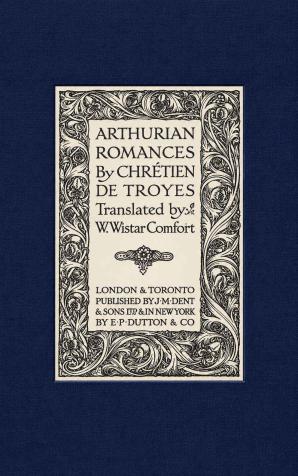
Four Arthurian Romances
"Four Arthurian Romances" by Chrétien de Troyes is a collection of medieval narratives written in the latter part of the 12th century. This work encompasses the stories of four heroes: Erec, Cligés, Yvain, and Lancelot, each exploring the themes of chivalry, romance, and adventure intertwined with the sophisticated ideals of courtly love. The romances reflect the rich tapestry of Arthurian legend, showcasing knights undertaking noble quests and engaging in battles for honor and love. The opening of "Four Arthurian Romances" introduces the tale of Erec and Enide, beginning with King Arthur's court and the announcement of a hunt for the elusive White Stag, which involves a significant and potentially troublesome tradition. Erec, a prominent knight, is drawn into conflict after a dwarf and a knight insult and strike a damsel at the court. Following this assault, Erec seeks to avenge the honor of the lady, embarking on a quest that leads him through various perils and encounters. His journey sets the stage for themes of valor and love as Erec strives to prove himself worthy, ultimately leading to his romantic involvement with Enide and the promise of her marriage. The romance illustrates not just action and adventure, but also explores the emotional and social dynamics of courtly life in a quintessential chivalric manner.
all creatures and plants are the manifestations of Brahma +8
biology
существа
существо
живые существа
Обозначает пауков и змей, которые в этом отрывке выступают как сновидцы.
Environmental Humanities in India
This collection examines environmental questions in India through literature, culture, Indigenous knowledge and the arts. Its essays explore relationships between people and landscapes, conservation, ecological justice and representations of environmental change.

She was one of those magnificent creatures who inevitably attract attention in every assembly. +1
literature
люди
создание
Здесь creature тепло и слегка романтически обозначает Нелли, а не животное.
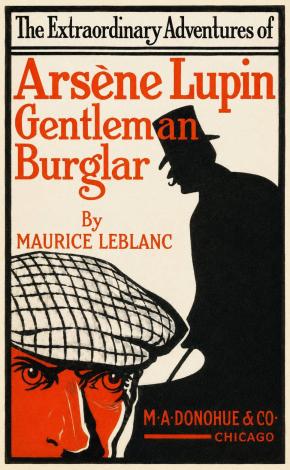
The Extraordinary Adventures of Arsène Lupin, Gentleman-Burglar
"The Extraordinary Adventures of Arsène Lupin, Gentleman-Burglar" by Maurice Leblanc is a collection of stories published in 1907. This debut collection introduces the charming and cunning Arsène Lupin, a master thief who outsmarts police and high society alike. Through nine tales of daring heists, clever disguises, and audacious escapes, Lupin proves himself an unmatched criminal genius. From shipboard robberies to prison breaks, he taunts authorities—including a famous English detective—while stealing priceless treasures with impeccable style and wit.
milk quotas were creatures of EU law
law
порождение
В переносном смысле описывает квоты на молоко как порождение права ЕС, а не как естественные или самостоятельные права.
National Constitutions in European and Global Governance: Democracy, Rights, the Rule of Law: National Reports
This two-volume book, published open access, brings together leading scholars of constitutional law from twenty-nine European countries to revisit the role of national constitutions at a time when decision-making has increasingly shifted to the European and transnational level. It offers important insights into three areas. First, it explores how constitutions reflect the transfer of powers from domestic to European and global institutions. Secondly, it revisits substantive constitutional values, such as the protection of constitutional rights, the rule of law, democratic participation and constitutional review, along with constitutional court judgments that tackle the protection of these rights and values in the transnational context, e.g. with regard to the Data Retention Directive, the European Arrest Warrant, the ESM Treaty, and EU and IMF austerity measures. The responsiveness of the ECJ regarding the above rights and values, along with the standard of protection, is also assessed.

In this vast expanse, he could not sense the presence of a single living creature.
nature
ни одного живого существа
Даже одного животного или другого живого существа; здесь подчёркивает полное отсутствие жизни.
Environmental Humanities in India
This collection examines environmental questions in India through literature, culture, Indigenous knowledge and the arts. Its essays explore relationships between people and landscapes, conservation, ecological justice and representations of environmental change.
The Khasi had a tradition of rearing and keeping the serpentine creature, U Thlen (Nongbri, 2006).
folklore
змееподобное существо
Существо, описываемое как похожее на змею в рассказе о традиции кхаси.
Environmental Humanities in India
This collection examines environmental questions in India through literature, culture, Indigenous knowledge and the arts. Its essays explore relationships between people and landscapes, conservation, ecological justice and representations of environmental change.
the basest creature that ever was
general
тварь
В этом оскорблении creature обозначает человека в пренебрежительном смысле.
Four Arthurian Romances
"Four Arthurian Romances" by Chrétien de Troyes is a collection of medieval narratives written in the latter part of the 12th century. This work encompasses the stories of four heroes: Erec, Cligés, Yvain, and Lancelot, each exploring the themes of chivalry, romance, and adventure intertwined with the sophisticated ideals of courtly love. The romances reflect the rich tapestry of Arthurian legend, showcasing knights undertaking noble quests and engaging in battles for honor and love. The opening of "Four Arthurian Romances" introduces the tale of Erec and Enide, beginning with King Arthur's court and the announcement of a hunt for the elusive White Stag, which involves a significant and potentially troublesome tradition. Erec, a prominent knight, is drawn into conflict after a dwarf and a knight insult and strike a damsel at the court. Following this assault, Erec seeks to avenge the honor of the lady, embarking on a quest that leads him through various perils and encounters. His journey sets the stage for themes of valor and love as Erec strives to prove himself worthy, ultimately leading to his romantic involvement with Enide and the promise of her marriage. The romance illustrates not just action and adventure, but also explores the emotional and social dynamics of courtly life in a quintessential chivalric manner.
For there was not a living creature there.
general
живое существо
Это слово подчёркивает, что в этом месте не было вообще никаких живых существ.
Four Arthurian Romances
"Four Arthurian Romances" by Chrétien de Troyes is a collection of medieval narratives written in the latter part of the 12th century. This work encompasses the stories of four heroes: Erec, Cligés, Yvain, and Lancelot, each exploring the themes of chivalry, romance, and adventure intertwined with the sophisticated ideals of courtly love. The romances reflect the rich tapestry of Arthurian legend, showcasing knights undertaking noble quests and engaging in battles for honor and love. The opening of "Four Arthurian Romances" introduces the tale of Erec and Enide, beginning with King Arthur's court and the announcement of a hunt for the elusive White Stag, which involves a significant and potentially troublesome tradition. Erec, a prominent knight, is drawn into conflict after a dwarf and a knight insult and strike a damsel at the court. Following this assault, Erec seeks to avenge the honor of the lady, embarking on a quest that leads him through various perils and encounters. His journey sets the stage for themes of valor and love as Erec strives to prove himself worthy, ultimately leading to his romantic involvement with Enide and the promise of her marriage. The romance illustrates not just action and adventure, but also explores the emotional and social dynamics of courtly life in a quintessential chivalric manner.
He raises his hand before his face and looks at his ring, and by this test he proves that neither of the lions is there which he thought he had seen, and that he had been enchanted and deceived; for there was not a living creature there.
fantasy
ни одного живого существа
Усиленный способ сказать, что поблизости не было ни одного живого существа.
Four Arthurian Romances
"Four Arthurian Romances" by Chrétien de Troyes is a collection of medieval narratives written in the latter part of the 12th century. This work encompasses the stories of four heroes: Erec, Cligés, Yvain, and Lancelot, each exploring the themes of chivalry, romance, and adventure intertwined with the sophisticated ideals of courtly love. The romances reflect the rich tapestry of Arthurian legend, showcasing knights undertaking noble quests and engaging in battles for honor and love. The opening of "Four Arthurian Romances" introduces the tale of Erec and Enide, beginning with King Arthur's court and the announcement of a hunt for the elusive White Stag, which involves a significant and potentially troublesome tradition. Erec, a prominent knight, is drawn into conflict after a dwarf and a knight insult and strike a damsel at the court. Following this assault, Erec seeks to avenge the honor of the lady, embarking on a quest that leads him through various perils and encounters. His journey sets the stage for themes of valor and love as Erec strives to prove himself worthy, ultimately leading to his romantic involvement with Enide and the promise of her marriage. The romance illustrates not just action and adventure, but also explores the emotional and social dynamics of courtly life in a quintessential chivalric manner.
Thou wilt be committing no sin or wrong, but rather doing a deed of charity, for he is the basest creature that ever was or ever shall be.
general
самое подлое существо, какое когда-либо существовало или будет существовать
Формула в превосходной степени, подчёркивающая крайнюю моральную низость.
Four Arthurian Romances
"Four Arthurian Romances" by Chrétien de Troyes is a collection of medieval narratives written in the latter part of the 12th century. This work encompasses the stories of four heroes: Erec, Cligés, Yvain, and Lancelot, each exploring the themes of chivalry, romance, and adventure intertwined with the sophisticated ideals of courtly love. The romances reflect the rich tapestry of Arthurian legend, showcasing knights undertaking noble quests and engaging in battles for honor and love. The opening of "Four Arthurian Romances" introduces the tale of Erec and Enide, beginning with King Arthur's court and the announcement of a hunt for the elusive White Stag, which involves a significant and potentially troublesome tradition. Erec, a prominent knight, is drawn into conflict after a dwarf and a knight insult and strike a damsel at the court. Following this assault, Erec seeks to avenge the honor of the lady, embarking on a quest that leads him through various perils and encounters. His journey sets the stage for themes of valor and love as Erec strives to prove himself worthy, ultimately leading to his romantic involvement with Enide and the promise of her marriage. The romance illustrates not just action and adventure, but also explores the emotional and social dynamics of courtly life in a quintessential chivalric manner.
It would be too great a calamity if so lovely a creature of such high birth were handed over to become the sport of boys.
general
столь прекрасное создание
Литературная усилительная конструкция со значением «настолько прекрасное создание».
Four Arthurian Romances
"Four Arthurian Romances" by Chrétien de Troyes is a collection of medieval narratives written in the latter part of the 12th century. This work encompasses the stories of four heroes: Erec, Cligés, Yvain, and Lancelot, each exploring the themes of chivalry, romance, and adventure intertwined with the sophisticated ideals of courtly love. The romances reflect the rich tapestry of Arthurian legend, showcasing knights undertaking noble quests and engaging in battles for honor and love. The opening of "Four Arthurian Romances" introduces the tale of Erec and Enide, beginning with King Arthur's court and the announcement of a hunt for the elusive White Stag, which involves a significant and potentially troublesome tradition. Erec, a prominent knight, is drawn into conflict after a dwarf and a knight insult and strike a damsel at the court. Following this assault, Erec seeks to avenge the honor of the lady, embarking on a quest that leads him through various perils and encounters. His journey sets the stage for themes of valor and love as Erec strives to prove himself worthy, ultimately leading to his romantic involvement with Enide and the promise of her marriage. The romance illustrates not just action and adventure, but also explores the emotional and social dynamics of courtly life in a quintessential chivalric manner.
The King replies: "I wish all happiness and good luck to your fair body and your face, lovely creature!"
literature
милое создание
Ласковое или восхищённое обращение к человеку.
Four Arthurian Romances
"Four Arthurian Romances" by Chrétien de Troyes is a collection of medieval narratives written in the latter part of the 12th century. This work encompasses the stories of four heroes: Erec, Cligés, Yvain, and Lancelot, each exploring the themes of chivalry, romance, and adventure intertwined with the sophisticated ideals of courtly love. The romances reflect the rich tapestry of Arthurian legend, showcasing knights undertaking noble quests and engaging in battles for honor and love. The opening of "Four Arthurian Romances" introduces the tale of Erec and Enide, beginning with King Arthur's court and the announcement of a hunt for the elusive White Stag, which involves a significant and potentially troublesome tradition. Erec, a prominent knight, is drawn into conflict after a dwarf and a knight insult and strike a damsel at the court. Following this assault, Erec seeks to avenge the honor of the lady, embarking on a quest that leads him through various perils and encounters. His journey sets the stage for themes of valor and love as Erec strives to prove himself worthy, ultimately leading to his romantic involvement with Enide and the promise of her marriage. The romance illustrates not just action and adventure, but also explores the emotional and social dynamics of courtly life in a quintessential chivalric manner.