


Введите слово для поиска
cupped
UK
/kʌpt/
US
/kʌpt/
Библиотека
uses general wording of 6 – 8 cups or glasses +4
nutrition
чашка
чашки
Cups используются как единица измерения рекомендуемого количества напитков.
Fact-Check a Hydration Claim: Case File and Communication Lab
Compare a media claim with dated authoritative guidance, distinguish broad guidance from individual need, and write a bounded fact-check.
Evidently he spoke in his cups. +1
general
пьяное состояние
пьянство
Множественное число входит в идиому, означающую, что человек пьян или выпил.
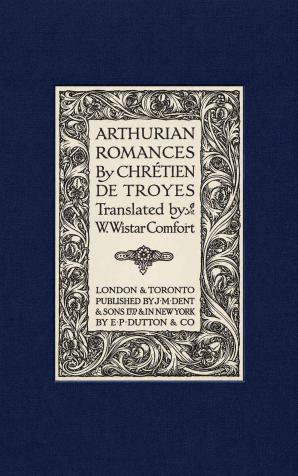
Four Arthurian Romances
"Four Arthurian Romances" by Chrétien de Troyes is a collection of medieval narratives written in the latter part of the 12th century. This work encompasses the stories of four heroes: Erec, Cligés, Yvain, and Lancelot, each exploring the themes of chivalry, romance, and adventure intertwined with the sophisticated ideals of courtly love. The romances reflect the rich tapestry of Arthurian legend, showcasing knights undertaking noble quests and engaging in battles for honor and love. The opening of "Four Arthurian Romances" introduces the tale of Erec and Enide, beginning with King Arthur's court and the announcement of a hunt for the elusive White Stag, which involves a significant and potentially troublesome tradition. Erec, a prominent knight, is drawn into conflict after a dwarf and a knight insult and strike a damsel at the court. Following this assault, Erec seeks to avenge the honor of the lady, embarking on a quest that leads him through various perils and encounters. His journey sets the stage for themes of valor and love as Erec strives to prove himself worthy, ultimately leading to his romantic involvement with Enide and the promise of her marriage. The romance illustrates not just action and adventure, but also explores the emotional and social dynamics of courtly life in a quintessential chivalric manner.
Omar suggested adding a whole extra cup and beating the mixture until it was completely smooth.
cooking
целую дополнительную чашку
Полная дополнительная чашка ингредиента; подчёркивается количество, которое добавляют.
The pancakes that would not pour
A complete original case with embedded dialogue and evidence limits.
Cups 2; wrappers 2; milk containers 1; avoidable food 0 g.
waste
стаканчик
Стаканчики учитываются как категория отходов; материал не указан.
Apartment Waste: Seven-Day Log
Independent supplied record for document-reading and the final task. Also available as PDF; the HTML and PDF are two access formats of one material.
Lacquered ear cups and plates, Mawangdui Tomb 1.
archaeology
чаши
Называет сосуды среди перечисленных лакированных предметов из гробницы.
Mawangdui Tomb 1: object comparison
Bounded source dossier: facts, provenance and limits. Any fictional data are labelled. The HTML alternative of a generated sheet is the same material.
Lacquered ear cups and plates, Mawangdui Tomb 1.
archaeology
чаши
Обозначает сосуды, перечисленные вместе с тарелками среди находок из гробницы № 1 Мавандуй.
Three Objects, One Unequal View
Create a three-object museum explanation, separating visible features from interpretation and identifying two evidence limits.
uses general wording of 6 – 8 cups or glasses
health
чашка
Используется как мера объёма в общей рекомендации по употреблению жидкости.
Fact-Check a Hydration Claim
Compare a media claim with dated authoritative guidance, distinguish broad guidance from individual need, and write a bounded fact-check.
He takes the cup, and courteously begs my lord Gawain to accept this cup as a gift from him, which Gawain did most reluctantly.
general
принять этот кубок в дар
Получить кубок как то, что другой человек дарит безвозмездно.
Four Arthurian Romances
"Four Arthurian Romances" by Chrétien de Troyes is a collection of medieval narratives written in the latter part of the 12th century. This work encompasses the stories of four heroes: Erec, Cligés, Yvain, and Lancelot, each exploring the themes of chivalry, romance, and adventure intertwined with the sophisticated ideals of courtly love. The romances reflect the rich tapestry of Arthurian legend, showcasing knights undertaking noble quests and engaging in battles for honor and love. The opening of "Four Arthurian Romances" introduces the tale of Erec and Enide, beginning with King Arthur's court and the announcement of a hunt for the elusive White Stag, which involves a significant and potentially troublesome tradition. Erec, a prominent knight, is drawn into conflict after a dwarf and a knight insult and strike a damsel at the court. Following this assault, Erec seeks to avenge the honor of the lady, embarking on a quest that leads him through various perils and encounters. His journey sets the stage for themes of valor and love as Erec strives to prove himself worthy, ultimately leading to his romantic involvement with Enide and the promise of her marriage. The romance illustrates not just action and adventure, but also explores the emotional and social dynamics of courtly life in a quintessential chivalric manner.
No one could drink of this cup without spilling the contents if he were a cuckold.
literature
пить из этой чаши
Пить из этой чаши; здесь архаичный предлог of означает «из».
Four Arthurian Romances
"Four Arthurian Romances" by Chrétien de Troyes is a collection of medieval narratives written in the latter part of the 12th century. This work encompasses the stories of four heroes: Erec, Cligés, Yvain, and Lancelot, each exploring the themes of chivalry, romance, and adventure intertwined with the sophisticated ideals of courtly love. The romances reflect the rich tapestry of Arthurian legend, showcasing knights undertaking noble quests and engaging in battles for honor and love. The opening of "Four Arthurian Romances" introduces the tale of Erec and Enide, beginning with King Arthur's court and the announcement of a hunt for the elusive White Stag, which involves a significant and potentially troublesome tradition. Erec, a prominent knight, is drawn into conflict after a dwarf and a knight insult and strike a damsel at the court. Following this assault, Erec seeks to avenge the honor of the lady, embarking on a quest that leads him through various perils and encounters. His journey sets the stage for themes of valor and love as Erec strives to prove himself worthy, ultimately leading to his romantic involvement with Enide and the promise of her marriage. The romance illustrates not just action and adventure, but also explores the emotional and social dynamics of courtly life in a quintessential chivalric manner.
We have "Le Lai du cor" ( ed. Wulff, Lund, 1888), which tells how a certain King Mangount of Moraine sent a magic drinking-cup to Arthur.
mythology
волшебная чаша
Чаша, которая в истории наделена магическими свойствами.
Four Arthurian Romances
"Four Arthurian Romances" by Chrétien de Troyes is a collection of medieval narratives written in the latter part of the 12th century. This work encompasses the stories of four heroes: Erec, Cligés, Yvain, and Lancelot, each exploring the themes of chivalry, romance, and adventure intertwined with the sophisticated ideals of courtly love. The romances reflect the rich tapestry of Arthurian legend, showcasing knights undertaking noble quests and engaging in battles for honor and love. The opening of "Four Arthurian Romances" introduces the tale of Erec and Enide, beginning with King Arthur's court and the announcement of a hunt for the elusive White Stag, which involves a significant and potentially troublesome tradition. Erec, a prominent knight, is drawn into conflict after a dwarf and a knight insult and strike a damsel at the court. Following this assault, Erec seeks to avenge the honor of the lady, embarking on a quest that leads him through various perils and encounters. His journey sets the stage for themes of valor and love as Erec strives to prove himself worthy, ultimately leading to his romantic involvement with Enide and the promise of her marriage. The romance illustrates not just action and adventure, but also explores the emotional and social dynamics of courtly life in a quintessential chivalric manner.
Only in the blackness before it entirely destroyed his brain he seemed to hear a distant voice saying a commonplace text that he had heard somewhere, “Can ye drink of the cup that I drink of?”
religion
Можете ли вы пить из чаши, из которой пью я?
Архаичный библейский вопрос о том, способен ли человек разделить страдания или судьбу говорящего.
The Man Who Was Thursday: A Nightmare
"The Man Who Was Thursday: A Nightmare" by G. K. Chesterton is a philosophical novel with elements of adventure and satire, written in the late 19th century. The story revolves around the enigmatic character Gabriel Syme, a police detective who infiltrates a group of anarchists in London to uncover their plans and identities. As the narrative unfolds, it explores complex themes of order, chaos, and the nature of evil, often through witty dialogue and absurd situations that challenge conventional thinking. At the start of the novel, readers are introduced to the suburb of Saffron Park, with its colorful and eccentric inhabitants, primarily poets and artists. One evening, during a striking sunset, the anarchistic poet Lucian Gregory meets Gabriel Syme, who surprises him with bold arguments in favor of law and order, challenging Gregory's views. Their conversation escalates into a duel of ideologies when Gregory reveals his deep commitment to anarchism, which leads to a confrontation between the two. In a twist of fate, Syme's true identity as a detective is disclosed, and as he joins the anarchists disguised as one of them, the stage is set for a profound exploration of the philosophical conflict between chaos and structure in society.

The sword-stick became almost the sword of chivalry, and the brandy the wine of the stirrup-cup.
history
вино прощальной чаши
Напиток, символизирующий последнюю прощальную чашу перед отправлением в путь.
The Man Who Was Thursday: A Nightmare
"The Man Who Was Thursday: A Nightmare" by G. K. Chesterton is a philosophical novel with elements of adventure and satire, written in the late 19th century. The story revolves around the enigmatic character Gabriel Syme, a police detective who infiltrates a group of anarchists in London to uncover their plans and identities. As the narrative unfolds, it explores complex themes of order, chaos, and the nature of evil, often through witty dialogue and absurd situations that challenge conventional thinking. At the start of the novel, readers are introduced to the suburb of Saffron Park, with its colorful and eccentric inhabitants, primarily poets and artists. One evening, during a striking sunset, the anarchistic poet Lucian Gregory meets Gabriel Syme, who surprises him with bold arguments in favor of law and order, challenging Gregory's views. Their conversation escalates into a duel of ideologies when Gregory reveals his deep commitment to anarchism, which leads to a confrontation between the two. In a twist of fate, Syme's true identity as a detective is disclosed, and as he joins the anarchists disguised as one of them, the stage is set for a profound exploration of the philosophical conflict between chaos and structure in society.