


Wort zur Suche eingeben
robbing
UK
/ˈrɒbɪŋ/
US
/ˈrɑbɪŋ/
Bibliothek
He had been assaulted, thrown down and robbed. +9
crime
ограбить
грабить
обкрадывать
Rob употребляется с castle как с обозначением места, которое грабят.
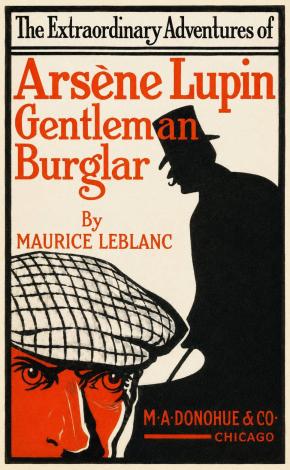
The Extraordinary Adventures of Arsène Lupin, Gentleman-Burglar
"The Extraordinary Adventures of Arsène Lupin, Gentleman-Burglar" by Maurice Leblanc is a collection of stories published in 1907. This debut collection introduces the charming and cunning Arsène Lupin, a master thief who outsmarts police and high society alike. Through nine tales of daring heists, clever disguises, and audacious escapes, Lupin proves himself an unmatched criminal genius. From shipboard robberies to prison breaks, he taunts authorities—including a famous English detective—while stealing priceless treasures with impeccable style and wit.
voluntary migration is often robbed of its political dimension
politics
лишать
Употреблено в переносном выражении «лишена политического аспекта»: этот аспект как будто отнимают или игнорируют.
European Theatre Migrants in the Age of Empire
This collection examines the journeys and working lives of European theatre practitioners during the age of empire. Historical case studies explore migration, performance, cultural exchange and the political conditions shaping theatrical careers across national borders.

This imagined past is constantly contrasted with the profane present, where this sacred geography has been robbed of its sanctity.
literature
лишать
Robbed of означает «лишённый чего-либо»; буквальная кража здесь не описывается.
Environmental Humanities in India
This collection examines environmental questions in India through literature, culture, Indigenous knowledge and the arts. Its essays explore relationships between people and landscapes, conservation, ecological justice and representations of environmental change.

these people, who have already robbed me of my invention
history
лишили
Кёниг говорит, что другие присвоили его изобретение и теперь грозят лишить его доброго имени.
Men of Invention and Industry
"Men of Invention and Industry" by Samuel Smiles is a historical account likely written in the late 19th century. The book examines the lives and contributions of various inventors and industrialists, highlighting their impact on society, particularly within British industry, with an emphasis on significant advancements such as shipbuilding and steam power. The opening of the book sets the stage with a discussion of the early history of English shipbuilding, beginning with the figure of Phineas Pett. It explores the humble beginnings of the British navy and the advancements made under historical figures like Henry VIII. Various early challenges in shipbuilding are elucidated, alongside the importance of foreign expertise in developing England’s maritime capabilities. The narrative illustrates a shift from a heavy reliance on importing goods and expertise to a burgeoning English independence in shipbuilding and trade, paving the way for a stronger national identity tied to maritime innovation.

It is really too bad that these people, who have already robbed me of my invention, should now try to rob me of my reputation.
history
лишить кого-либо его изобретения
Обвинять кого-либо в том, что он присвоил твоё изобретение.
Men of Invention and Industry
"Men of Invention and Industry" by Samuel Smiles is a historical account likely written in the late 19th century. The book examines the lives and contributions of various inventors and industrialists, highlighting their impact on society, particularly within British industry, with an emphasis on significant advancements such as shipbuilding and steam power. The opening of the book sets the stage with a discussion of the early history of English shipbuilding, beginning with the figure of Phineas Pett. It explores the humble beginnings of the British navy and the advancements made under historical figures like Henry VIII. Various early challenges in shipbuilding are elucidated, alongside the importance of foreign expertise in developing England’s maritime capabilities. The narrative illustrates a shift from a heavy reliance on importing goods and expertise to a burgeoning English independence in shipbuilding and trade, paving the way for a stronger national identity tied to maritime innovation.
He who robs me and takes what is mine
romance
обокрасть
Здесь rob означает отнять то, что кому-либо принадлежит, в эмоциональной метафоре говорящей.
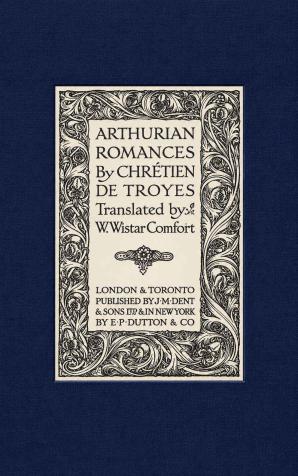
Four Arthurian Romances
"Four Arthurian Romances" by Chrétien de Troyes is a collection of medieval narratives written in the latter part of the 12th century. This work encompasses the stories of four heroes: Erec, Cligés, Yvain, and Lancelot, each exploring the themes of chivalry, romance, and adventure intertwined with the sophisticated ideals of courtly love. The romances reflect the rich tapestry of Arthurian legend, showcasing knights undertaking noble quests and engaging in battles for honor and love. The opening of "Four Arthurian Romances" introduces the tale of Erec and Enide, beginning with King Arthur's court and the announcement of a hunt for the elusive White Stag, which involves a significant and potentially troublesome tradition. Erec, a prominent knight, is drawn into conflict after a dwarf and a knight insult and strike a damsel at the court. Following this assault, Erec seeks to avenge the honor of the lady, embarking on a quest that leads him through various perils and encounters. His journey sets the stage for themes of valor and love as Erec strives to prove himself worthy, ultimately leading to his romantic involvement with Enide and the promise of her marriage. The romance illustrates not just action and adventure, but also explores the emotional and social dynamics of courtly life in a quintessential chivalric manner.
You would rob me of all my secrets; expose all my little tricks.
crime
лишить
В конструкции rob someone of something глагол означает лишить кого-либо чего-либо; здесь он употреблён в переносном смысле — лишить секретов.
The Extraordinary Adventures of Arsène Lupin, Gentleman-Burglar
"The Extraordinary Adventures of Arsène Lupin, Gentleman-Burglar" by Maurice Leblanc is a collection of stories published in 1907. This debut collection introduces the charming and cunning Arsène Lupin, a master thief who outsmarts police and high society alike. Through nine tales of daring heists, clever disguises, and audacious escapes, Lupin proves himself an unmatched criminal genius. From shipboard robberies to prison breaks, he taunts authorities—including a famous English detective—while stealing priceless treasures with impeccable style and wit.
Let us suppose that one day the owner receives a letter warning him that a notorious burglar known as Arsène Lupin is plotting to rob him.
crime
замышлять ограбить кого-либо
Тайно планировать ограбить человека.
The Extraordinary Adventures of Arsène Lupin, Gentleman-Burglar
"The Extraordinary Adventures of Arsène Lupin, Gentleman-Burglar" by Maurice Leblanc is a collection of stories published in 1907. This debut collection introduces the charming and cunning Arsène Lupin, a master thief who outsmarts police and high society alike. Through nine tales of daring heists, clever disguises, and audacious escapes, Lupin proves himself an unmatched criminal genius. From shipboard robberies to prison breaks, he taunts authorities—including a famous English detective—while stealing priceless treasures with impeccable style and wit.
You would rob me of all my secrets; expose all my little tricks.
general
лишить меня всех моих тайн
Забрать или раскрыть всю личную информацию человека.
The Extraordinary Adventures of Arsène Lupin, Gentleman-Burglar
"The Extraordinary Adventures of Arsène Lupin, Gentleman-Burglar" by Maurice Leblanc is a collection of stories published in 1907. This debut collection introduces the charming and cunning Arsène Lupin, a master thief who outsmarts police and high society alike. Through nine tales of daring heists, clever disguises, and audacious escapes, Lupin proves himself an unmatched criminal genius. From shipboard robberies to prison breaks, he taunts authorities—including a famous English detective—while stealing priceless treasures with impeccable style and wit.
Monsieur, it is not customary for thieves to warn people they are about to rob.
crime
собираться ограбить
Быть на грани того, чтобы кого-либо или что-либо ограбить.
The Extraordinary Adventures of Arsène Lupin, Gentleman-Burglar
"The Extraordinary Adventures of Arsène Lupin, Gentleman-Burglar" by Maurice Leblanc is a collection of stories published in 1907. This debut collection introduces the charming and cunning Arsène Lupin, a master thief who outsmarts police and high society alike. Through nine tales of daring heists, clever disguises, and audacious escapes, Lupin proves himself an unmatched criminal genius. From shipboard robberies to prison breaks, he taunts authorities—including a famous English detective—while stealing priceless treasures with impeccable style and wit.
Certainly, as Ganimard had said, thieves do not warn people they are about to rob.
general
собираться что-либо сделать
Собираться сделать что-либо в ближайшее время.
The Extraordinary Adventures of Arsène Lupin, Gentleman-Burglar
"The Extraordinary Adventures of Arsène Lupin, Gentleman-Burglar" by Maurice Leblanc is a collection of stories published in 1907. This debut collection introduces the charming and cunning Arsène Lupin, a master thief who outsmarts police and high society alike. Through nine tales of daring heists, clever disguises, and audacious escapes, Lupin proves himself an unmatched criminal genius. From shipboard robberies to prison breaks, he taunts authorities—including a famous English detective—while stealing priceless treasures with impeccable style and wit.
who robbeth and distresseth all ladies
medieval
грабит
Robbeth — архаичная форма третьего лица единственного числа от rob.
King Arthur and the Knights of the Round Table
"King Arthur and the Knights of the Round Table" by Sir Thomas Malory is a prose compilation written around 1470. This Middle English work weaves together legendary tales of King Arthur, Guinevere, Lancelot, Merlin, and the Knights of the Round Table. Malory assembled and reworked material from various French and English sources to create a complete narrative spanning Arthur's conception to his death. The compilation includes the quest for the Holy Grail and the legend of Tristan and Iseult, creating one of the most influential works of Arthurian literature.
