


Inserisci la parola da cercare
captive
UK
/ˈkæptɪv/
US
/ˈkæptɪv/
Biblioteca
Regard me as your captive, since it cannot be otherwise." +9
warfare
пленник
пленный
пленники
Captives — это пленники, удерживаемые в королевстве Горр.
Four Arthurian Romances
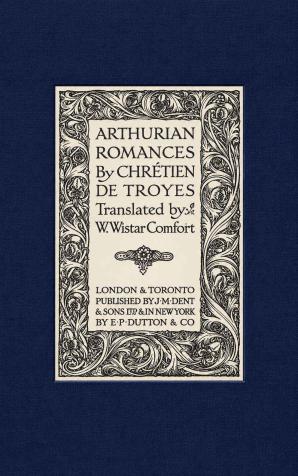
"Four Arthurian Romances" by Chrétien de Troyes is a collection of medieval narratives written in the latter part of the 12th century. This work encompasses the stories of four heroes: Erec, Cligés, Yvain, and Lancelot, each exploring the themes of chivalry, romance, and adventure intertwined with the sophisticated ideals of courtly love. The romances reflect the rich tapestry of Arthurian legend, showcasing knights undertaking noble quests and engaging in battles for honor and love. The opening of "Four Arthurian Romances" introduces the tale of Erec and Enide, beginning with King Arthur's court and the announcement of a hunt for the elusive White Stag, which involves a significant and potentially troublesome tradition. Erec, a prominent knight, is drawn into conflict after a dwarf and a knight insult and strike a damsel at the court. Following this assault, Erec seeks to avenge the honor of the lady, embarking on a quest that leads him through various perils and encounters. His journey sets the stage for themes of valor and love as Erec strives to prove himself worthy, ultimately leading to his romantic involvement with Enide and the promise of her marriage. The romance illustrates not just action and adventure, but also explores the emotional and social dynamics of courtly life in a quintessential chivalric manner.
He sent a hundred and more tried knights with the spy, who so successfully conducted them that they carried the maiden away captive without exerting any force; for they could abduct her easily. +5
military
пленный
взятый в плен
пленённый
Captive описывает даму как пленницу, которую захватили и удерживают в плену.
Four Arthurian Romances
"Four Arthurian Romances" by Chrétien de Troyes is a collection of medieval narratives written in the latter part of the 12th century. This work encompasses the stories of four heroes: Erec, Cligés, Yvain, and Lancelot, each exploring the themes of chivalry, romance, and adventure intertwined with the sophisticated ideals of courtly love. The romances reflect the rich tapestry of Arthurian legend, showcasing knights undertaking noble quests and engaging in battles for honor and love. The opening of "Four Arthurian Romances" introduces the tale of Erec and Enide, beginning with King Arthur's court and the announcement of a hunt for the elusive White Stag, which involves a significant and potentially troublesome tradition. Erec, a prominent knight, is drawn into conflict after a dwarf and a knight insult and strike a damsel at the court. Following this assault, Erec seeks to avenge the honor of the lady, embarking on a quest that leads him through various perils and encounters. His journey sets the stage for themes of valor and love as Erec strives to prove himself worthy, ultimately leading to his romantic involvement with Enide and the promise of her marriage. The romance illustrates not just action and adventure, but also explores the emotional and social dynamics of courtly life in a quintessential chivalric manner.
the cattle that the Greeks had taken captive from the Trojans +2
war
пленница
пленный
Мать Тевкра описана как женщина, захваченная в плен и удерживаемая в неволе.
Disasters: Core Concepts and Ethical Theories
This Open Access Book is the first to examine disasters from a multidisciplinary perspective. Justification of actions in the face of disasters requires recourse both to conceptual analysis and ethical traditions. Part 1 of the book contains chapters on how disasters are conceptualized in different academic disciplines relevant to disasters. Part 2 has chapters on how ethical issues that arise in relation to disasters can be addressed from a number of fundamental normative approaches in moral and political philosophy. This book sets the stage for more focused normative debates given that no one book can be completely comprehensive.

“Look at the captive balloon!” +1
aviation
привязной аэростат
Аэростат, закреплённый тросом, чтобы он не мог свободно дрейфовать.
The Man Who Was Thursday: A Nightmare
"The Man Who Was Thursday: A Nightmare" by G. K. Chesterton is a philosophical novel with elements of adventure and satire, written in the late 19th century. The story revolves around the enigmatic character Gabriel Syme, a police detective who infiltrates a group of anarchists in London to uncover their plans and identities. As the narrative unfolds, it explores complex themes of order, chaos, and the nature of evil, often through witty dialogue and absurd situations that challenge conventional thinking. At the start of the novel, readers are introduced to the suburb of Saffron Park, with its colorful and eccentric inhabitants, primarily poets and artists. One evening, during a striking sunset, the anarchistic poet Lucian Gregory meets Gabriel Syme, who surprises him with bold arguments in favor of law and order, challenging Gregory's views. Their conversation escalates into a duel of ideologies when Gregory reveals his deep commitment to anarchism, which leads to a confrontation between the two. In a twist of fate, Syme's true identity as a detective is disclosed, and as he joins the anarchists disguised as one of them, the stage is set for a profound exploration of the philosophical conflict between chaos and structure in society.

One of a great many captives.
history
пленники
О людях, взятых в плен; здесь речь идёт о последствиях завоевания.
Disasters: Core Concepts and Ethical Theories
This Open Access Book is the first to examine disasters from a multidisciplinary perspective. Justification of actions in the face of disasters requires recourse both to conceptual analysis and ethical traditions. Part 1 of the book contains chapters on how disasters are conceptualized in different academic disciplines relevant to disasters. Part 2 has chapters on how ethical issues that arise in relation to disasters can be addressed from a number of fundamental normative approaches in moral and political philosophy. This book sets the stage for more focused normative debates given that no one book can be completely comprehensive.
Odysseus has been sent by the Greek kings and war leaders, Menelaus (king of Mycenaean Sparta) and his brother Agamemnon (king of Argos), to find out whether Ajax is the vicious killer of the cattle that the Greeks had taken captive from the Trojans.
warfare
захваченный в плен
Захваченный и удерживаемый врагом; здесь говорится о скоте, захваченном греками у троянцев.
Disasters: Core Concepts and Ethical Theories
This Open Access Book is the first to examine disasters from a multidisciplinary perspective. Justification of actions in the face of disasters requires recourse both to conceptual analysis and ethical traditions. Part 1 of the book contains chapters on how disasters are conceptualized in different academic disciplines relevant to disasters. Part 2 has chapters on how ethical issues that arise in relation to disasters can be addressed from a number of fundamental normative approaches in moral and political philosophy. This book sets the stage for more focused normative debates given that no one book can be completely comprehensive.
Tecmessa was the daughter of Teleutas, king of Phrygia, and her fate had been sealed during the Trojan war when Ajax killed the king and took his daughter captive.
war
взять кого-либо в плен
Захватить кого-либо и держать в плену.
Disasters: Core Concepts and Ethical Theories
This Open Access Book is the first to examine disasters from a multidisciplinary perspective. Justification of actions in the face of disasters requires recourse both to conceptual analysis and ethical traditions. Part 1 of the book contains chapters on how disasters are conceptualized in different academic disciplines relevant to disasters. Part 2 has chapters on how ethical issues that arise in relation to disasters can be addressed from a number of fundamental normative approaches in moral and political philosophy. This book sets the stage for more focused normative debates given that no one book can be completely comprehensive.
the crowds of captive maidens
history
пленённый
Описывает девушек как пленниц в воображаемой исторической сцене.
European Theatre Migrants in the Age of Empire
This collection examines the journeys and working lives of European theatre practitioners during the age of empire. Historical case studies explore migration, performance, cultural exchange and the political conditions shaping theatrical careers across national borders.

"Sire, he who shall deliver all those who are held captive in the kingdom whence none escapes."
history
находиться в плену
Удерживаться в качестве пленника и не иметь возможности свободно уйти.
Four Arthurian Romances
"Four Arthurian Romances" by Chrétien de Troyes is a collection of medieval narratives written in the latter part of the 12th century. This work encompasses the stories of four heroes: Erec, Cligés, Yvain, and Lancelot, each exploring the themes of chivalry, romance, and adventure intertwined with the sophisticated ideals of courtly love. The romances reflect the rich tapestry of Arthurian legend, showcasing knights undertaking noble quests and engaging in battles for honor and love. The opening of "Four Arthurian Romances" introduces the tale of Erec and Enide, beginning with King Arthur's court and the announcement of a hunt for the elusive White Stag, which involves a significant and potentially troublesome tradition. Erec, a prominent knight, is drawn into conflict after a dwarf and a knight insult and strike a damsel at the court. Following this assault, Erec seeks to avenge the honor of the lady, embarking on a quest that leads him through various perils and encounters. His journey sets the stage for themes of valor and love as Erec strives to prove himself worthy, ultimately leading to his romantic involvement with Enide and the promise of her marriage. The romance illustrates not just action and adventure, but also explores the emotional and social dynamics of courtly life in a quintessential chivalric manner.
The customs and practices which were observed before we were made captive in the kingdom of Logres.
warfare
оказаться в плену
Быть захваченным и удерживаться в качестве пленника.
Four Arthurian Romances
"Four Arthurian Romances" by Chrétien de Troyes is a collection of medieval narratives written in the latter part of the 12th century. This work encompasses the stories of four heroes: Erec, Cligés, Yvain, and Lancelot, each exploring the themes of chivalry, romance, and adventure intertwined with the sophisticated ideals of courtly love. The romances reflect the rich tapestry of Arthurian legend, showcasing knights undertaking noble quests and engaging in battles for honor and love. The opening of "Four Arthurian Romances" introduces the tale of Erec and Enide, beginning with King Arthur's court and the announcement of a hunt for the elusive White Stag, which involves a significant and potentially troublesome tradition. Erec, a prominent knight, is drawn into conflict after a dwarf and a knight insult and strike a damsel at the court. Following this assault, Erec seeks to avenge the honor of the lady, embarking on a quest that leads him through various perils and encounters. His journey sets the stage for themes of valor and love as Erec strives to prove himself worthy, ultimately leading to his romantic involvement with Enide and the promise of her marriage. The romance illustrates not just action and adventure, but also explores the emotional and social dynamics of courtly life in a quintessential chivalric manner.
That day Cligés did so well, and unhorsed and took captive so many knights, that he gave double the satisfaction to his side, and won for himself twice the glory that he had gained on the preceding day.
warfare
взял в плен
Захватить кого-либо и сделать его пленником.
Four Arthurian Romances
"Four Arthurian Romances" by Chrétien de Troyes is a collection of medieval narratives written in the latter part of the 12th century. This work encompasses the stories of four heroes: Erec, Cligés, Yvain, and Lancelot, each exploring the themes of chivalry, romance, and adventure intertwined with the sophisticated ideals of courtly love. The romances reflect the rich tapestry of Arthurian legend, showcasing knights undertaking noble quests and engaging in battles for honor and love. The opening of "Four Arthurian Romances" introduces the tale of Erec and Enide, beginning with King Arthur's court and the announcement of a hunt for the elusive White Stag, which involves a significant and potentially troublesome tradition. Erec, a prominent knight, is drawn into conflict after a dwarf and a knight insult and strike a damsel at the court. Following this assault, Erec seeks to avenge the honor of the lady, embarking on a quest that leads him through various perils and encounters. His journey sets the stage for themes of valor and love as Erec strives to prove himself worthy, ultimately leading to his romantic involvement with Enide and the promise of her marriage. The romance illustrates not just action and adventure, but also explores the emotional and social dynamics of courtly life in a quintessential chivalric manner.
He sent a hundred and more tried knights with the spy, who so successfully conducted them that they carried the maiden away captive without exerting any force; for they could abduct her easily.
military
увести в плен
Увезли молодую женщину как пленницу.
Four Arthurian Romances
"Four Arthurian Romances" by Chrétien de Troyes is a collection of medieval narratives written in the latter part of the 12th century. This work encompasses the stories of four heroes: Erec, Cligés, Yvain, and Lancelot, each exploring the themes of chivalry, romance, and adventure intertwined with the sophisticated ideals of courtly love. The romances reflect the rich tapestry of Arthurian legend, showcasing knights undertaking noble quests and engaging in battles for honor and love. The opening of "Four Arthurian Romances" introduces the tale of Erec and Enide, beginning with King Arthur's court and the announcement of a hunt for the elusive White Stag, which involves a significant and potentially troublesome tradition. Erec, a prominent knight, is drawn into conflict after a dwarf and a knight insult and strike a damsel at the court. Following this assault, Erec seeks to avenge the honor of the lady, embarking on a quest that leads him through various perils and encounters. His journey sets the stage for themes of valor and love as Erec strives to prove himself worthy, ultimately leading to his romantic involvement with Enide and the promise of her marriage. The romance illustrates not just action and adventure, but also explores the emotional and social dynamics of courtly life in a quintessential chivalric manner.