


Inserisci la parola da cercare
clinging
UK
/ˈklɪŋɪŋ/
US
/ˈklɪŋɪŋ/
Biblioteca
So when, as here at Rawdon’s, one sees a vine clinging to a little porch, and home-like windows peeping over the fences, one takes a long breath. +1
migration
цепляться за
держаться за
не покидать
Плотно цепляться за что-либо или обвивать это, как виноградная лоза.
The Souls of Black Folk
"The Souls of Black Folk" by W. E. B. Du Bois is a collection of essays published in 1903. This groundbreaking work explores the African-American experience through personal observations and social analysis. Du Bois introduces influential concepts like "double consciousness"—the experience of viewing oneself through both one's own eyes and those of a prejudiced society—and "the veil" that separates black and white Americans. Through essays on education, freedom, and justice, he examines the color line dividing races and argues for voting rights, quality education, and equal treatment.

When situations are overwhelming, the only response left for a believer is to cling to God, “my rock, my fortress and my deliverer” (Psalm 18:2).
religion
полагаться на Бога
Обращаться к Богу и полагаться на него в трудной или невыносимой ситуации.
Disasters: Core Concepts and Ethical Theories
This Open Access Book is the first to examine disasters from a multidisciplinary perspective. Justification of actions in the face of disasters requires recourse both to conceptual analysis and ethical traditions. Part 1 of the book contains chapters on how disasters are conceptualized in different academic disciplines relevant to disasters. Part 2 has chapters on how ethical issues that arise in relation to disasters can be addressed from a number of fundamental normative approaches in moral and political philosophy. This book sets the stage for more focused normative debates given that no one book can be completely comprehensive.

Believers can cling to the hope of that future time as they face disasters and other forms of suffering.
theology
держаться за
Полагаться на что-либо или держаться за это как за источник надежды или утешения.
Disasters: Core Concepts and Ethical Theories
This Open Access Book is the first to examine disasters from a multidisciplinary perspective. Justification of actions in the face of disasters requires recourse both to conceptual analysis and ethical traditions. Part 1 of the book contains chapters on how disasters are conceptualized in different academic disciplines relevant to disasters. Part 2 has chapters on how ethical issues that arise in relation to disasters can be addressed from a number of fundamental normative approaches in moral and political philosophy. This book sets the stage for more focused normative debates given that no one book can be completely comprehensive.
Walter Bentley clung to his Britishness, and to the British Empire
identity
держаться за
Продолжал крепко держаться за свою идентичность или привязанность, не отказываясь от неё.
European Theatre Migrants in the Age of Empire
This collection examines the journeys and working lives of European theatre practitioners during the age of empire. Historical case studies explore migration, performance, cultural exchange and the political conditions shaping theatrical careers across national borders.

Peroo clinging so desperately to his waist
general
цепляться
Перуу крепко держится за талию другого мужчины, пока они спускаются по берегу.
The Bridge-Builders
"The Bridge-Builders" by Rudyard Kipling is a short story written in the early 20th century. This narrative is steeped in the themes of engineering, resilience, and the interplay between human endeavor and nature, as it focuses on the arduous construction of a bridge over the Ganges River in India. The story addresses the challenges faced by its protagonist, Findlayson, and explores the relationship between the builders and the powerful forces of nature symbolized by the river. The tale revolves around Findlayson, the chief engineer overseeing the construction of the Kashi Bridge, and his assistant Hitchcock, as they confront an impending flood that threatens their work. Together, they navigate physical and bureaucratic challenges while managing a diverse team of workers, including Peroo, a skilled Lascar who plays a crucial role in the project's success. As the floodwaters rise, tensions mount, and the characters grapple with their fears and ambitions, leading to a climactic moment in which the bridge's fate hangs in the balance. This intersection of human skill and the unpredictable might of nature provides a rich backdrop for Kipling’s exploration of duty, sacrifice, and the enduring nature of human achievement amidst adversity.

which are clinging in the teeth of the comb
hair
цепляться
застревать
Волосы застряли между зубьями гребня и остаются прикреплёнными к нему.
Four Arthurian Romances
"Four Arthurian Romances" by Chrétien de Troyes is a collection of medieval narratives written in the latter part of the 12th century. This work encompasses the stories of four heroes: Erec, Cligés, Yvain, and Lancelot, each exploring the themes of chivalry, romance, and adventure intertwined with the sophisticated ideals of courtly love. The romances reflect the rich tapestry of Arthurian legend, showcasing knights undertaking noble quests and engaging in battles for honor and love. The opening of "Four Arthurian Romances" introduces the tale of Erec and Enide, beginning with King Arthur's court and the announcement of a hunt for the elusive White Stag, which involves a significant and potentially troublesome tradition. Erec, a prominent knight, is drawn into conflict after a dwarf and a knight insult and strike a damsel at the court. Following this assault, Erec seeks to avenge the honor of the lady, embarking on a quest that leads him through various perils and encounters. His journey sets the stage for themes of valor and love as Erec strives to prove himself worthy, ultimately leading to his romantic involvement with Enide and the promise of her marriage. The romance illustrates not just action and adventure, but also explores the emotional and social dynamics of courtly life in a quintessential chivalric manner.

She who stays behind clings so tightly to his heart
emotion
цепляться
Здесь cling описывает сильную эмоциональную привязанность дамы к сердцу Ивена.
Four Arthurian Romances
"Four Arthurian Romances" by Chrétien de Troyes is a collection of medieval narratives written in the latter part of the 12th century. This work encompasses the stories of four heroes: Erec, Cligés, Yvain, and Lancelot, each exploring the themes of chivalry, romance, and adventure intertwined with the sophisticated ideals of courtly love. The romances reflect the rich tapestry of Arthurian legend, showcasing knights undertaking noble quests and engaging in battles for honor and love. The opening of "Four Arthurian Romances" introduces the tale of Erec and Enide, beginning with King Arthur's court and the announcement of a hunt for the elusive White Stag, which involves a significant and potentially troublesome tradition. Erec, a prominent knight, is drawn into conflict after a dwarf and a knight insult and strike a damsel at the court. Following this assault, Erec seeks to avenge the honor of the lady, embarking on a quest that leads him through various perils and encounters. His journey sets the stage for themes of valor and love as Erec strives to prove himself worthy, ultimately leading to his romantic involvement with Enide and the promise of her marriage. The romance illustrates not just action and adventure, but also explores the emotional and social dynamics of courtly life in a quintessential chivalric manner.
But to me neither soldier nor fugitive speaks with so deep a meaning as that dark human cloud that clung like remorse on the rear of those swift columns, swelling at times to half their size, almost engulfing and choking them.
literature
цепляться, словно угрызения совести
Оставаться прикреплённым с такой же постоянной и тягостной силой, как угрызения совести.
The Souls of Black Folk
"The Souls of Black Folk" by W. E. B. Du Bois is a collection of essays published in 1903. This groundbreaking work explores the African-American experience through personal observations and social analysis. Du Bois introduces influential concepts like "double consciousness"—the experience of viewing oneself through both one's own eyes and those of a prejudiced society—and "the veil" that separates black and white Americans. Through essays on education, freedom, and justice, he examines the color line dividing races and argues for voting rights, quality education, and equal treatment.
That jingling music seemed full of the vivacity, the vulgarity, and the irrational valour of the poor, who in all those unclean streets were all clinging to the decencies and the charities of Christendom.
general
цепляться за
Крепко держаться за что-либо — буквально или в переносном смысле — и не отказываться от этого.
The Man Who Was Thursday: A Nightmare
"The Man Who Was Thursday: A Nightmare" by G. K. Chesterton is a philosophical novel with elements of adventure and satire, written in the late 19th century. The story revolves around the enigmatic character Gabriel Syme, a police detective who infiltrates a group of anarchists in London to uncover their plans and identities. As the narrative unfolds, it explores complex themes of order, chaos, and the nature of evil, often through witty dialogue and absurd situations that challenge conventional thinking. At the start of the novel, readers are introduced to the suburb of Saffron Park, with its colorful and eccentric inhabitants, primarily poets and artists. One evening, during a striking sunset, the anarchistic poet Lucian Gregory meets Gabriel Syme, who surprises him with bold arguments in favor of law and order, challenging Gregory's views. Their conversation escalates into a duel of ideologies when Gregory reveals his deep commitment to anarchism, which leads to a confrontation between the two. In a twist of fate, Syme's true identity as a detective is disclosed, and as he joins the anarchists disguised as one of them, the stage is set for a profound exploration of the philosophical conflict between chaos and structure in society.

More particularly, the present count clung to it as a man clings to the home of his ancestors.
general
крепко держаться за
Глагол употреблён метафорически: граф был глубоко привязан к ожерелью.
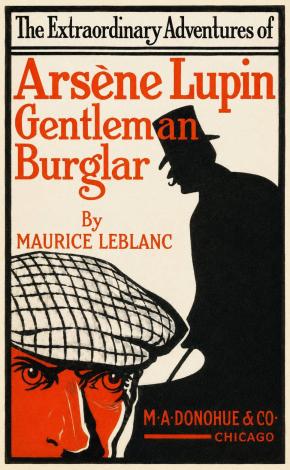
The Extraordinary Adventures of Arsène Lupin, Gentleman-Burglar
"The Extraordinary Adventures of Arsène Lupin, Gentleman-Burglar" by Maurice Leblanc is a collection of stories published in 1907. This debut collection introduces the charming and cunning Arsène Lupin, a master thief who outsmarts police and high society alike. Through nine tales of daring heists, clever disguises, and audacious escapes, Lupin proves himself an unmatched criminal genius. From shipboard robberies to prison breaks, he taunts authorities—including a famous English detective—while stealing priceless treasures with impeccable style and wit.
We clung together as a matter of safety.
general
держаться
Clung together означает, что люди держались близко друг к другу, потому что в группе чувствовали себя безопаснее.
The Extraordinary Adventures of Arsène Lupin, Gentleman-Burglar
"The Extraordinary Adventures of Arsène Lupin, Gentleman-Burglar" by Maurice Leblanc is a collection of stories published in 1907. This debut collection introduces the charming and cunning Arsène Lupin, a master thief who outsmarts police and high society alike. Through nine tales of daring heists, clever disguises, and audacious escapes, Lupin proves himself an unmatched criminal genius. From shipboard robberies to prison breaks, he taunts authorities—including a famous English detective—while stealing priceless treasures with impeccable style and wit.
We clung together as a matter of safety.
general
держались вместе
Оставались рядом друг с другом, обычно ради защиты или поддержки.
The Extraordinary Adventures of Arsène Lupin, Gentleman-Burglar
"The Extraordinary Adventures of Arsène Lupin, Gentleman-Burglar" by Maurice Leblanc is a collection of stories published in 1907. This debut collection introduces the charming and cunning Arsène Lupin, a master thief who outsmarts police and high society alike. Through nine tales of daring heists, clever disguises, and audacious escapes, Lupin proves himself an unmatched criminal genius. From shipboard robberies to prison breaks, he taunts authorities—including a famous English detective—while stealing priceless treasures with impeccable style and wit.