


Inserisci la parola da cercare
wield
UK
/wiːld/
US
/wiːld/
Biblioteca
Sweat, and the blood which flows down with it, dim their eyes, so that they can hardly see a thing; and very often they missed their blows, like men who did not see to wield their swords upon each other. +3
combat
орудовать
искусно владеть
орудовать оружием
Wield часто употребляется в значении умело обращаться с оружием или другим мощным предметом.
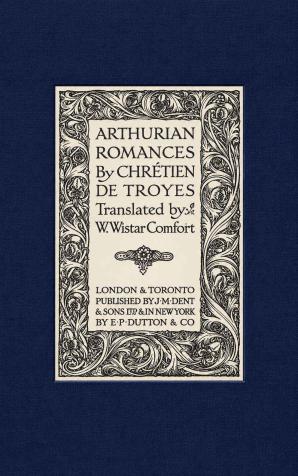
Four Arthurian Romances
"Four Arthurian Romances" by Chrétien de Troyes is a collection of medieval narratives written in the latter part of the 12th century. This work encompasses the stories of four heroes: Erec, Cligés, Yvain, and Lancelot, each exploring the themes of chivalry, romance, and adventure intertwined with the sophisticated ideals of courtly love. The romances reflect the rich tapestry of Arthurian legend, showcasing knights undertaking noble quests and engaging in battles for honor and love. The opening of "Four Arthurian Romances" introduces the tale of Erec and Enide, beginning with King Arthur's court and the announcement of a hunt for the elusive White Stag, which involves a significant and potentially troublesome tradition. Erec, a prominent knight, is drawn into conflict after a dwarf and a knight insult and strike a damsel at the court. Following this assault, Erec seeks to avenge the honor of the lady, embarking on a quest that leads him through various perils and encounters. His journey sets the stage for themes of valor and love as Erec strives to prove himself worthy, ultimately leading to his romantic involvement with Enide and the promise of her marriage. The romance illustrates not just action and adventure, but also explores the emotional and social dynamics of courtly life in a quintessential chivalric manner.
Other components wield decisive influence over the spatial layout structure of the city. +1
general
оказывать
иметь
Используется в переносном смысле: автомобиль оказывал значительное влияние на облик города.
The AI City
This book develops the concept of an artificial intelligence city and examines its theoretical foundations, technologies and applications. Practical cases explore how urban planning and intelligent systems can support city development, services and management.

The troika would wield sufficient power to prevent the interest groups from releasing their grip on the state.
politics
обладать
Сочетается со словом «power» и описывает способность тройки влиять на события.
National Constitutions in European and Global Governance: Democracy, Rights, the Rule of Law: National Reports
This two-volume book, published open access, brings together leading scholars of constitutional law from twenty-nine European countries to revisit the role of national constitutions at a time when decision-making has increasingly shifted to the European and transnational level. It offers important insights into three areas. First, it explores how constitutions reflect the transfer of powers from domestic to European and global institutions. Secondly, it revisits substantive constitutional values, such as the protection of constitutional rights, the rule of law, democratic participation and constitutional review, along with constitutional court judgments that tackle the protection of these rights and values in the transnational context, e.g. with regard to the Data Retention Directive, the European Arrest Warrant, the ESM Treaty, and EU and IMF austerity measures. The responsiveness of the ECJ regarding the above rights and values, along with the standard of protection, is also assessed.

In reality, it is unlikely that the troika would wield sufficient power to truly prevent the interest groups from releasing their grip on the state.
politics
обладать достаточной властью
Иметь достаточно власти или влияния, чтобы добиться чего-либо или помешать чему-либо.
National Constitutions in European and Global Governance: Democracy, Rights, the Rule of Law: National Reports
This two-volume book, published open access, brings together leading scholars of constitutional law from twenty-nine European countries to revisit the role of national constitutions at a time when decision-making has increasingly shifted to the European and transnational level. It offers important insights into three areas. First, it explores how constitutions reflect the transfer of powers from domestic to European and global institutions. Secondly, it revisits substantive constitutional values, such as the protection of constitutional rights, the rule of law, democratic participation and constitutional review, along with constitutional court judgments that tackle the protection of these rights and values in the transnational context, e.g. with regard to the Data Retention Directive, the European Arrest Warrant, the ESM Treaty, and EU and IMF austerity measures. The responsiveness of the ECJ regarding the above rights and values, along with the standard of protection, is also assessed.
The hallmark feature of the industrial city lies in its meticulous and stringent functional zoning, in which industrial areas, transportation hubs, warehouse facilities, and other components wield decisive influence over the spatial layout structure of the city.
urbanism
оказывать решающее влияние на
Оказывать очень сильное воздействие на что-либо; здесь городские элементы существенно формируют пространственную планировку города.
The AI City
This book develops the concept of an artificial intelligence city and examines its theoretical foundations, technologies and applications. Practical cases explore how urban planning and intelligent systems can support city development, services and management.
The Anthropocene, thus, wields the “grand species narrative”
anthropology
использует
Метафорическое употребление: Антропоцен использует повествование о человеческом виде как главной силе планетарных изменений.
Environmental Humanities in India
This collection examines environmental questions in India through literature, culture, Indigenous knowledge and the arts. Its essays explore relationships between people and landscapes, conservation, ecological justice and representations of environmental change.

watched him wield his powers temperately
law
осуществлять
Употреблено со словом “powers” и описывает, как магистрат осуществлял свои полномочия.
The Bridge-Builders
"The Bridge-Builders" by Rudyard Kipling is a short story written in the early 20th century. This narrative is steeped in the themes of engineering, resilience, and the interplay between human endeavor and nature, as it focuses on the arduous construction of a bridge over the Ganges River in India. The story addresses the challenges faced by its protagonist, Findlayson, and explores the relationship between the builders and the powerful forces of nature symbolized by the river. The tale revolves around Findlayson, the chief engineer overseeing the construction of the Kashi Bridge, and his assistant Hitchcock, as they confront an impending flood that threatens their work. Together, they navigate physical and bureaucratic challenges while managing a diverse team of workers, including Peroo, a skilled Lascar who plays a crucial role in the project's success. As the floodwaters rise, tensions mount, and the characters grapple with their fears and ambitions, leading to a climactic moment in which the bridge's fate hangs in the balance. This intersection of human skill and the unpredictable might of nature provides a rich backdrop for Kipling’s exploration of duty, sacrifice, and the enduring nature of human achievement amidst adversity.

Findlayson watched him wield his powers temperately.
government
осуществлять свои полномочия
Пользоваться своей властью или должностными полномочиями; здесь магистрат действует сдержанно.
The Bridge-Builders
"The Bridge-Builders" by Rudyard Kipling is a short story written in the early 20th century. This narrative is steeped in the themes of engineering, resilience, and the interplay between human endeavor and nature, as it focuses on the arduous construction of a bridge over the Ganges River in India. The story addresses the challenges faced by its protagonist, Findlayson, and explores the relationship between the builders and the powerful forces of nature symbolized by the river. The tale revolves around Findlayson, the chief engineer overseeing the construction of the Kashi Bridge, and his assistant Hitchcock, as they confront an impending flood that threatens their work. Together, they navigate physical and bureaucratic challenges while managing a diverse team of workers, including Peroo, a skilled Lascar who plays a crucial role in the project's success. As the floodwaters rise, tensions mount, and the characters grapple with their fears and ambitions, leading to a climactic moment in which the bridge's fate hangs in the balance. This intersection of human skill and the unpredictable might of nature provides a rich backdrop for Kipling’s exploration of duty, sacrifice, and the enduring nature of human achievement amidst adversity.
Ceaselessly and without repose they wield their swords; they have the courage to deal so many blows that the battle finally is so protracted that the Knight of the Cart is greatly ashamed in his heart, thinking that he is making a sorry start in the way he has undertaken, when he has spent so much time in defeating a single knight.
warfare
орудовать мечом
Активно и умело орудовать мечом в бою.
Four Arthurian Romances
"Four Arthurian Romances" by Chrétien de Troyes is a collection of medieval narratives written in the latter part of the 12th century. This work encompasses the stories of four heroes: Erec, Cligés, Yvain, and Lancelot, each exploring the themes of chivalry, romance, and adventure intertwined with the sophisticated ideals of courtly love. The romances reflect the rich tapestry of Arthurian legend, showcasing knights undertaking noble quests and engaging in battles for honor and love. The opening of "Four Arthurian Romances" introduces the tale of Erec and Enide, beginning with King Arthur's court and the announcement of a hunt for the elusive White Stag, which involves a significant and potentially troublesome tradition. Erec, a prominent knight, is drawn into conflict after a dwarf and a knight insult and strike a damsel at the court. Following this assault, Erec seeks to avenge the honor of the lady, embarking on a quest that leads him through various perils and encounters. His journey sets the stage for themes of valor and love as Erec strives to prove himself worthy, ultimately leading to his romantic involvement with Enide and the promise of her marriage. The romance illustrates not just action and adventure, but also explores the emotional and social dynamics of courtly life in a quintessential chivalric manner.
And see how he wields the sword when he draws it!
warfare
владеть мечом
Умело пользоваться мечом в бою.
Four Arthurian Romances
"Four Arthurian Romances" by Chrétien de Troyes is a collection of medieval narratives written in the latter part of the 12th century. This work encompasses the stories of four heroes: Erec, Cligés, Yvain, and Lancelot, each exploring the themes of chivalry, romance, and adventure intertwined with the sophisticated ideals of courtly love. The romances reflect the rich tapestry of Arthurian legend, showcasing knights undertaking noble quests and engaging in battles for honor and love. The opening of "Four Arthurian Romances" introduces the tale of Erec and Enide, beginning with King Arthur's court and the announcement of a hunt for the elusive White Stag, which involves a significant and potentially troublesome tradition. Erec, a prominent knight, is drawn into conflict after a dwarf and a knight insult and strike a damsel at the court. Following this assault, Erec seeks to avenge the honor of the lady, embarking on a quest that leads him through various perils and encounters. His journey sets the stage for themes of valor and love as Erec strives to prove himself worthy, ultimately leading to his romantic involvement with Enide and the promise of her marriage. The romance illustrates not just action and adventure, but also explores the emotional and social dynamics of courtly life in a quintessential chivalric manner.
Sweat, and the blood which flows down with it, dim their eyes, so that they can hardly see a thing; and very often they missed their blows, like men who did not see to wield their swords upon each other.
combat
обрушивать мечи друг на друга
Использовать мечи друг против друга в бою.
Four Arthurian Romances
"Four Arthurian Romances" by Chrétien de Troyes is a collection of medieval narratives written in the latter part of the 12th century. This work encompasses the stories of four heroes: Erec, Cligés, Yvain, and Lancelot, each exploring the themes of chivalry, romance, and adventure intertwined with the sophisticated ideals of courtly love. The romances reflect the rich tapestry of Arthurian legend, showcasing knights undertaking noble quests and engaging in battles for honor and love. The opening of "Four Arthurian Romances" introduces the tale of Erec and Enide, beginning with King Arthur's court and the announcement of a hunt for the elusive White Stag, which involves a significant and potentially troublesome tradition. Erec, a prominent knight, is drawn into conflict after a dwarf and a knight insult and strike a damsel at the court. Following this assault, Erec seeks to avenge the honor of the lady, embarking on a quest that leads him through various perils and encounters. His journey sets the stage for themes of valor and love as Erec strives to prove himself worthy, ultimately leading to his romantic involvement with Enide and the promise of her marriage. The romance illustrates not just action and adventure, but also explores the emotional and social dynamics of courtly life in a quintessential chivalric manner.