


Introduce la palabra que quieres buscar
plundering
UK
/ˈplʌn.dər.ɪŋ/
US
/ˈplʌn.dɚ.ɪŋ/
Biblioteca
They plundered every vessel that fell in their way. +2
history
грабить
разграбить
Описывает, как доведённые до отчаяния бедняки отбирали имущество у других людей, столь же бедных, как они сами.
Men of Invention and Industry
"Men of Invention and Industry" by Samuel Smiles is a historical account likely written in the late 19th century. The book examines the lives and contributions of various inventors and industrialists, highlighting their impact on society, particularly within British industry, with an emphasis on significant advancements such as shipbuilding and steam power. The opening of the book sets the stage with a discussion of the early history of English shipbuilding, beginning with the figure of Phineas Pett. It explores the humble beginnings of the British navy and the advancements made under historical figures like Henry VIII. Various early challenges in shipbuilding are elucidated, alongside the importance of foreign expertise in developing England’s maritime capabilities. The narrative illustrates a shift from a heavy reliance on importing goods and expertise to a burgeoning English independence in shipbuilding and trade, paving the way for a stronger national identity tied to maritime innovation.

environmental plunder +1
environment
разграбление
Резкое обозначение эксплуатации и разрушения окружающей среды.
Environmental Humanities in India
This collection examines environmental questions in India through literature, culture, Indigenous knowledge and the arts. Its essays explore relationships between people and landscapes, conservation, ecological justice and representations of environmental change.

It sums up environmental plunder as both an external reality caused by industry and an interior condition caused by alienation of the human psyche (Goodbody, 2014, p. 63). +1
ecology
экологическое разграбление
разграбление окружающей среды
Эксплуатация и разрушительное истощение природной среды.
Environmental Humanities in India
This collection examines environmental questions in India through literature, culture, Indigenous knowledge and the arts. Its essays explore relationships between people and landscapes, conservation, ecological justice and representations of environmental change.
They, too, were on plunder bent. +1
warfare
добыча
Как существительное plunder означает имущество, захваченное или украденное во время войны или набега.
Four Arthurian Romances
"Four Arthurian Romances" by Chrétien de Troyes is a collection of medieval narratives written in the latter part of the 12th century. This work encompasses the stories of four heroes: Erec, Cligés, Yvain, and Lancelot, each exploring the themes of chivalry, romance, and adventure intertwined with the sophisticated ideals of courtly love. The romances reflect the rich tapestry of Arthurian legend, showcasing knights undertaking noble quests and engaging in battles for honor and love. The opening of "Four Arthurian Romances" introduces the tale of Erec and Enide, beginning with King Arthur's court and the announcement of a hunt for the elusive White Stag, which involves a significant and potentially troublesome tradition. Erec, a prominent knight, is drawn into conflict after a dwarf and a knight insult and strike a damsel at the court. Following this assault, Erec seeks to avenge the honor of the lady, embarking on a quest that leads him through various perils and encounters. His journey sets the stage for themes of valor and love as Erec strives to prove himself worthy, ultimately leading to his romantic involvement with Enide and the promise of her marriage. The romance illustrates not just action and adventure, but also explores the emotional and social dynamics of courtly life in a quintessential chivalric manner.

he leaped over walls, and plundered castles +1
crime
грабил
разграбить
Этот выразительный глагол означает украсть ценности из какого-либо места, особенно во время набега или ограбления.
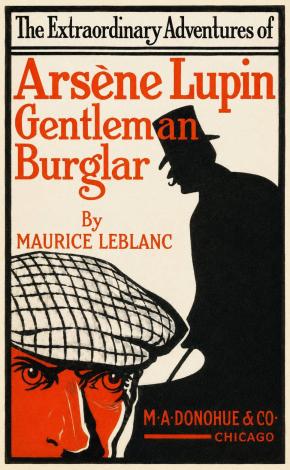
The Extraordinary Adventures of Arsène Lupin, Gentleman-Burglar
"The Extraordinary Adventures of Arsène Lupin, Gentleman-Burglar" by Maurice Leblanc is a collection of stories published in 1907. This debut collection introduces the charming and cunning Arsène Lupin, a master thief who outsmarts police and high society alike. Through nine tales of daring heists, clever disguises, and audacious escapes, Lupin proves himself an unmatched criminal genius. From shipboard robberies to prison breaks, he taunts authorities—including a famous English detective—while stealing priceless treasures with impeccable style and wit.
They sent out Sir Waiter Raleigh to capture Spanish ships, and afterwards to divide the plunder.
history
добыча
Компании рассчитывали разделить ценности, захваченные с испанских кораблей.
Men of Invention and Industry
"Men of Invention and Industry" by Samuel Smiles is a historical account likely written in the late 19th century. The book examines the lives and contributions of various inventors and industrialists, highlighting their impact on society, particularly within British industry, with an emphasis on significant advancements such as shipbuilding and steam power. The opening of the book sets the stage with a discussion of the early history of English shipbuilding, beginning with the figure of Phineas Pett. It explores the humble beginnings of the British navy and the advancements made under historical figures like Henry VIII. Various early challenges in shipbuilding are elucidated, alongside the importance of foreign expertise in developing England’s maritime capabilities. The narrative illustrates a shift from a heavy reliance on importing goods and expertise to a burgeoning English independence in shipbuilding and trade, paving the way for a stronger national identity tied to maritime innovation.
They sent him out to capture Spanish ships and afterwards to divide the plunder.
history
поделить добычу
Разделить товары или деньги, захваченные с кораблей.
Men of Invention and Industry
"Men of Invention and Industry" by Samuel Smiles is a historical account likely written in the late 19th century. The book examines the lives and contributions of various inventors and industrialists, highlighting their impact on society, particularly within British industry, with an emphasis on significant advancements such as shipbuilding and steam power. The opening of the book sets the stage with a discussion of the early history of English shipbuilding, beginning with the figure of Phineas Pett. It explores the humble beginnings of the British navy and the advancements made under historical figures like Henry VIII. Various early challenges in shipbuilding are elucidated, alongside the importance of foreign expertise in developing England’s maritime capabilities. The narrative illustrates a shift from a heavy reliance on importing goods and expertise to a burgeoning English independence in shipbuilding and trade, paving the way for a stronger national identity tied to maritime innovation.
The only way to defend their country was to intercept the plunder on its voyage home to Spain.
history
перехватить награбленное
Перехватить награбленное во время перевозки; здесь — остановить испанские сокровища на пути домой.
Men of Invention and Industry
"Men of Invention and Industry" by Samuel Smiles is a historical account likely written in the late 19th century. The book examines the lives and contributions of various inventors and industrialists, highlighting their impact on society, particularly within British industry, with an emphasis on significant advancements such as shipbuilding and steam power. The opening of the book sets the stage with a discussion of the early history of English shipbuilding, beginning with the figure of Phineas Pett. It explores the humble beginnings of the British navy and the advancements made under historical figures like Henry VIII. Various early challenges in shipbuilding are elucidated, alongside the importance of foreign expertise in developing England’s maritime capabilities. The narrative illustrates a shift from a heavy reliance on importing goods and expertise to a burgeoning English independence in shipbuilding and trade, paving the way for a stronger national identity tied to maritime innovation.
When he had plundered all he wished, he set fire to what remained.
warfare
разграбить
Здесь этот человек разграбил место и забрал всё, что хотел.
Four Arthurian Romances
"Four Arthurian Romances" by Chrétien de Troyes is a collection of medieval narratives written in the latter part of the 12th century. This work encompasses the stories of four heroes: Erec, Cligés, Yvain, and Lancelot, each exploring the themes of chivalry, romance, and adventure intertwined with the sophisticated ideals of courtly love. The romances reflect the rich tapestry of Arthurian legend, showcasing knights undertaking noble quests and engaging in battles for honor and love. The opening of "Four Arthurian Romances" introduces the tale of Erec and Enide, beginning with King Arthur's court and the announcement of a hunt for the elusive White Stag, which involves a significant and potentially troublesome tradition. Erec, a prominent knight, is drawn into conflict after a dwarf and a knight insult and strike a damsel at the court. Following this assault, Erec seeks to avenge the honor of the lady, embarking on a quest that leads him through various perils and encounters. His journey sets the stage for themes of valor and love as Erec strives to prove himself worthy, ultimately leading to his romantic involvement with Enide and the promise of her marriage. The romance illustrates not just action and adventure, but also explores the emotional and social dynamics of courtly life in a quintessential chivalric manner.
He stayed there until, upon a Tuesday, Count Alier came to the town with his men and knights, who started fires and took plunder.
warfare
забирать добычу
Захватить имущество как добычу во время набега или нападения.
Four Arthurian Romances
"Four Arthurian Romances" by Chrétien de Troyes is a collection of medieval narratives written in the latter part of the 12th century. This work encompasses the stories of four heroes: Erec, Cligés, Yvain, and Lancelot, each exploring the themes of chivalry, romance, and adventure intertwined with the sophisticated ideals of courtly love. The romances reflect the rich tapestry of Arthurian legend, showcasing knights undertaking noble quests and engaging in battles for honor and love. The opening of "Four Arthurian Romances" introduces the tale of Erec and Enide, beginning with King Arthur's court and the announcement of a hunt for the elusive White Stag, which involves a significant and potentially troublesome tradition. Erec, a prominent knight, is drawn into conflict after a dwarf and a knight insult and strike a damsel at the court. Following this assault, Erec seeks to avenge the honor of the lady, embarking on a quest that leads him through various perils and encounters. His journey sets the stage for themes of valor and love as Erec strives to prove himself worthy, ultimately leading to his romantic involvement with Enide and the promise of her marriage. The romance illustrates not just action and adventure, but also explores the emotional and social dynamics of courtly life in a quintessential chivalric manner.
They had not yet gone a league when before them in a valley there came five other knights, with lances in rest, shields held close in to the neck, and their shining helmets laced up tight; they, too, were on plunder bent.
warfare
нацеленные на грабёж
намеревающиеся добыть награбленное силой
Four Arthurian Romances
"Four Arthurian Romances" by Chrétien de Troyes is a collection of medieval narratives written in the latter part of the 12th century. This work encompasses the stories of four heroes: Erec, Cligés, Yvain, and Lancelot, each exploring the themes of chivalry, romance, and adventure intertwined with the sophisticated ideals of courtly love. The romances reflect the rich tapestry of Arthurian legend, showcasing knights undertaking noble quests and engaging in battles for honor and love. The opening of "Four Arthurian Romances" introduces the tale of Erec and Enide, beginning with King Arthur's court and the announcement of a hunt for the elusive White Stag, which involves a significant and potentially troublesome tradition. Erec, a prominent knight, is drawn into conflict after a dwarf and a knight insult and strike a damsel at the court. Following this assault, Erec seeks to avenge the honor of the lady, embarking on a quest that leads him through various perils and encounters. His journey sets the stage for themes of valor and love as Erec strives to prove himself worthy, ultimately leading to his romantic involvement with Enide and the promise of her marriage. The romance illustrates not just action and adventure, but also explores the emotional and social dynamics of courtly life in a quintessential chivalric manner.
A linen sack overflowing with plunder.
crime
награбленное имущество
Здесь слово означает вещи, которые он украл и несёт с собой.
The Extraordinary Adventures of Arsène Lupin, Gentleman-Burglar
"The Extraordinary Adventures of Arsène Lupin, Gentleman-Burglar" by Maurice Leblanc is a collection of stories published in 1907. This debut collection introduces the charming and cunning Arsène Lupin, a master thief who outsmarts police and high society alike. Through nine tales of daring heists, clever disguises, and audacious escapes, Lupin proves himself an unmatched criminal genius. From shipboard robberies to prison breaks, he taunts authorities—including a famous English detective—while stealing priceless treasures with impeccable style and wit.