


Saisissez le mot à rechercher
continue
UK
/kənˈtɪn.juː/
US
/kənˈtɪn.juː/
Bibliothèque
and, after a moment, continued: +1
general
продолжил
В этой авторской ремарке continued означает, что Гримо возобновил или продолжил речь.
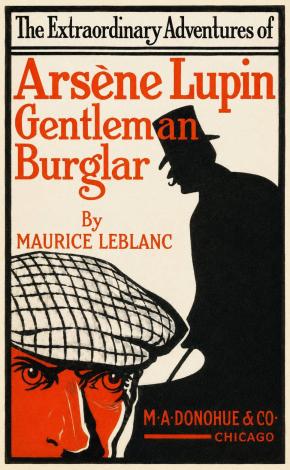
The Extraordinary Adventures of Arsène Lupin, Gentleman-Burglar
"The Extraordinary Adventures of Arsène Lupin, Gentleman-Burglar" by Maurice Leblanc is a collection of stories published in 1907. This debut collection introduces the charming and cunning Arsène Lupin, a master thief who outsmarts police and high society alike. Through nine tales of daring heists, clever disguises, and audacious escapes, Lupin proves himself an unmatched criminal genius. From shipboard robberies to prison breaks, he taunts authorities—including a famous English detective—while stealing priceless treasures with impeccable style and wit.
For example, when a resident requests an artefact, such as a dry towel, it prompts a staff member to continue engaging with residents and keep them informed, maintaining involvement in the process.
care
продолжать взаимодействовать с жильцами
Продолжать общаться или взаимодействовать с жильцами по мере выполнения занятия.
Dementia Lab 2025: Ethics + Aesthetics in Design
This collection presents research on designing with and for people living with dementia. Its studies examine participatory methods, care environments, technology and everyday experiences, with attention to ethical questions and aesthetic engagement.

The participant continued to think about the recollections.
psychology
продолжал думать о
Продолжал размышлять о чём-либо в течение некоторого времени.
Dementia Lab 2025: Ethics + Aesthetics in Design
This collection presents research on designing with and for people living with dementia. Its studies examine participatory methods, care environments, technology and everyday experiences, with attention to ethical questions and aesthetic engagement.
In line with a process consent approach [60], frequent checks with the participant for consent to continue or withdraw, take a break, shorten or terminate the meetings were offered.
research
согласие продолжать или отказаться от участия
Согласие участника продолжать участие или его решение отказаться от него.
Dementia Lab 2025: Ethics + Aesthetics in Design
This collection presents research on designing with and for people living with dementia. Its studies examine participatory methods, care environments, technology and everyday experiences, with attention to ethical questions and aesthetic engagement.
[50, p. 161] highlights that caring relations are those which “maintain, continue, and repair our ‘world’so that we can live in it as well as possible”.
ethics
поддерживать, продолжать и восстанавливать наш «мир»
Описание заботы как поддержания, продолжения и восстановления общего мира, в котором живут люди.
Dementia Lab 2025: Ethics + Aesthetics in Design
This collection presents research on designing with and for people living with dementia. Its studies examine participatory methods, care environments, technology and everyday experiences, with attention to ethical questions and aesthetic engagement.
In any case, he did not continue with the company.
theatre
продолжать работать в труппе
Оставаться на работе или продолжать сотрудничество с театральной труппой.
European Theatre Migrants in the Age of Empire
This collection examines the journeys and working lives of European theatre practitioners during the age of empire. Historical case studies explore migration, performance, cultural exchange and the political conditions shaping theatrical careers across national borders.

One of these is that there is no such sufficient cause resident in any body, and that therefore it will rest, or continue in motion, so long as no external cause of change acts upon it.
physics
продолжать движение
Продолжать двигаться, а не останавливаться.
The Advance of Science in the Last Half-Century
"The Advance of Science in the Last Half-Century" by Thomas Henry Huxley is a scientific publication written in the late 19th century. The work examines the significant advancements in physical science, technology, and their impact on civilization over the past fifty years, showcasing how these developments have transformed human life and understanding. Huxley aims to provide a comprehensive overview of scientific progress and its implications for society. The opening of this publication sets the stage by reflecting upon the remarkable increase in industrial production and the pivotal role of physical science during the Victorian era. Huxley outlines how machinery and improved techniques have elevated living standards and mitigated suffering from diseases and scarcity. He discusses the historical context of scientific inquiry, highlighting the evolution of natural knowledge since ancient Greece and the importance of hypotheses in driving scientific progress. The beginning emphasizes the interconnectedness of scientific advancements with industrial growth and societal changes, asserting that the pursuit of knowledge has been, and should be, an intrinsic motivation beyond mere utilitarian outcomes.

Although the price of horses continued to rise, he nevertheless bought the best horses at increased prices, and he took care not to work them overmuch.
general
продолжать расти
Продолжать увеличиваться; здесь говорится о цене лошадей.
Men of Invention and Industry
"Men of Invention and Industry" by Samuel Smiles is a historical account likely written in the late 19th century. The book examines the lives and contributions of various inventors and industrialists, highlighting their impact on society, particularly within British industry, with an emphasis on significant advancements such as shipbuilding and steam power. The opening of the book sets the stage with a discussion of the early history of English shipbuilding, beginning with the figure of Phineas Pett. It explores the humble beginnings of the British navy and the advancements made under historical figures like Henry VIII. Various early challenges in shipbuilding are elucidated, alongside the importance of foreign expertise in developing England’s maritime capabilities. The narrative illustrates a shift from a heavy reliance on importing goods and expertise to a burgeoning English independence in shipbuilding and trade, paving the way for a stronger national identity tied to maritime innovation.

On the 1st of November the vessel was exhibited to the public on the Paddington Canal, as well as on the Thames, where she continued to ply until the month of September 1837.
maritime
продолжал курсировать
Продолжал регулярно ходить по маршруту или водному пути.
Men of Invention and Industry
"Men of Invention and Industry" by Samuel Smiles is a historical account likely written in the late 19th century. The book examines the lives and contributions of various inventors and industrialists, highlighting their impact on society, particularly within British industry, with an emphasis on significant advancements such as shipbuilding and steam power. The opening of the book sets the stage with a discussion of the early history of English shipbuilding, beginning with the figure of Phineas Pett. It explores the humble beginnings of the British navy and the advancements made under historical figures like Henry VIII. Various early challenges in shipbuilding are elucidated, alongside the importance of foreign expertise in developing England’s maritime capabilities. The narrative illustrates a shift from a heavy reliance on importing goods and expertise to a burgeoning English independence in shipbuilding and trade, paving the way for a stronger national identity tied to maritime innovation.
They said the ship was unserviceable and not fit to continue.
maritime
непригоден для дальнейшей службы
Не подходящий или неспособный продолжать службу; здесь говорится о корабле.
Men of Invention and Industry
"Men of Invention and Industry" by Samuel Smiles is a historical account likely written in the late 19th century. The book examines the lives and contributions of various inventors and industrialists, highlighting their impact on society, particularly within British industry, with an emphasis on significant advancements such as shipbuilding and steam power. The opening of the book sets the stage with a discussion of the early history of English shipbuilding, beginning with the figure of Phineas Pett. It explores the humble beginnings of the British navy and the advancements made under historical figures like Henry VIII. Various early challenges in shipbuilding are elucidated, alongside the importance of foreign expertise in developing England’s maritime capabilities. The narrative illustrates a shift from a heavy reliance on importing goods and expertise to a burgeoning English independence in shipbuilding and trade, paving the way for a stronger national identity tied to maritime innovation.
The class of shipping continues in practice even to the present moment.
shipbuilding
продолжать применяться
Описывает метод или конструкцию, которые продолжают использоваться.
Men of Invention and Industry
"Men of Invention and Industry" by Samuel Smiles is a historical account likely written in the late 19th century. The book examines the lives and contributions of various inventors and industrialists, highlighting their impact on society, particularly within British industry, with an emphasis on significant advancements such as shipbuilding and steam power. The opening of the book sets the stage with a discussion of the early history of English shipbuilding, beginning with the figure of Phineas Pett. It explores the humble beginnings of the British navy and the advancements made under historical figures like Henry VIII. Various early challenges in shipbuilding are elucidated, alongside the importance of foreign expertise in developing England’s maritime capabilities. The narrative illustrates a shift from a heavy reliance on importing goods and expertise to a burgeoning English independence in shipbuilding and trade, paving the way for a stronger national identity tied to maritime innovation.
I continued in the duty for some time, notwithstanding of this terror.
religion
продолжал молитву
Старое религиозное выражение: продолжать духовное занятие; здесь имеется в виду молитва.
Records of a Family of Engineers
"Records of a Family of Engineers" by Robert Louis Stevenson is a historical account written in the early 20th century. The book delves into the lineage of the Stevenson family, particularly focusing on their contributions as engineers and their experiences across generations in Scotland, intertwining personal anecdotes with broader historical narratives. The opening of the book introduces the reader to the Stevenson family tree, tracing their surname's evolution and historical context from the 13th century onward. It reveals a lineage that has faced both successes and tragedies, with a particular focus on the early lives of James Stevenson, his brother Hugh, and their heir, Robert Stevenson. The text sketches their aspirations, marriages, and struggles, ultimately painting a portrait of a family deeply rooted in the engineering profession, set against the backdrop of the rugged Scottish landscape and societal changes of their time. This initial section not only captures the essence of their individual experiences but sets the stage for further exploration of the family's lasting impact on engineering.
