


Введите слово для поиска
thinly
UK
/ˈθɪnli/
US
/ˈθɪnli/
Библиотека
I’ll spread it thinly.
food
тонким слоем
Наречие описывает, насколько тонко Том будет намазывать масло.
A Little Butter for Saturday
An imagined household makes a choice at breakfast using the weekly figures from 1943.
I’ll spread it thinly.
food
намазать тонким слоем
Нанести что-либо ровным тонким слоем.
A Little Butter for Saturday
An imagined household makes a choice at breakfast using the weekly figures from 1943.
The choice to spread the butter thinly leaves more for the meals that are still to come.
food
тонким слоем
Слово описывает нанесение небольшого количества масла на хлеб, чтобы сохранить остальное.
Making a Week’s Butter Last in Wartime Britain
Two adults have four ounces of butter for the week in a household example based on a 1943 ration figure. A small piece at breakfast changes what they can put on the table over the next six days.
The choice to spread the butter thinly leaves more for the meals that are still to come.
food
намазать масло тонким слоем
Нанести на что-либо тонкий слой масла.
Making a Week’s Butter Last in Wartime Britain
Two adults have four ounces of butter for the week in a household example based on a 1943 ration figure. A small piece at breakfast changes what they can put on the table over the next six days.
The choice to spread the butter thinly leaves more for the meals that are still to come.
food
тонким слоем
Описывает использование небольшого количества масла на хлебе, чтобы запаса хватило дольше.
A Week’s Butter in Wartime Britain
Two adults have four ounces of butter for the week in a household example based on a 1943 ration figure. A small piece at breakfast changes what they can put on the table over the next six days.
The choice to spread the butter thinly leaves more for the meals that are still to come.
food
тонко намазать масло
Нанести на что-либо тонкий слой масла, используя небольшое количество.
A Week’s Butter in Wartime Britain
Two adults have four ounces of butter for the week in a household example based on a 1943 ration figure. A small piece at breakfast changes what they can put on the table over the next six days.
Devotion and courtesy but thinly disguise free love.
literature
поверхностно
Thinly disguise означает скрывать лишь слабо или поверхностно.
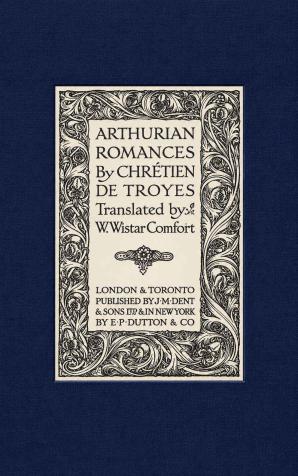
Four Arthurian Romances
"Four Arthurian Romances" by Chrétien de Troyes is a collection of medieval narratives written in the latter part of the 12th century. This work encompasses the stories of four heroes: Erec, Cligés, Yvain, and Lancelot, each exploring the themes of chivalry, romance, and adventure intertwined with the sophisticated ideals of courtly love. The romances reflect the rich tapestry of Arthurian legend, showcasing knights undertaking noble quests and engaging in battles for honor and love. The opening of "Four Arthurian Romances" introduces the tale of Erec and Enide, beginning with King Arthur's court and the announcement of a hunt for the elusive White Stag, which involves a significant and potentially troublesome tradition. Erec, a prominent knight, is drawn into conflict after a dwarf and a knight insult and strike a damsel at the court. Following this assault, Erec seeks to avenge the honor of the lady, embarking on a quest that leads him through various perils and encounters. His journey sets the stage for themes of valor and love as Erec strives to prove himself worthy, ultimately leading to his romantic involvement with Enide and the promise of her marriage. The romance illustrates not just action and adventure, but also explores the emotional and social dynamics of courtly life in a quintessential chivalric manner.
Of all the poet's work, this tale of the rescue of Guinevere by her lover seems to express most closely the ideals of Marie's court ideals in which devotion and courtesy but thinly disguise free love.
literature
лишь слегка маскировать
Скрывать что-либо лишь слабо или поверхностно.
Four Arthurian Romances
"Four Arthurian Romances" by Chrétien de Troyes is a collection of medieval narratives written in the latter part of the 12th century. This work encompasses the stories of four heroes: Erec, Cligés, Yvain, and Lancelot, each exploring the themes of chivalry, romance, and adventure intertwined with the sophisticated ideals of courtly love. The romances reflect the rich tapestry of Arthurian legend, showcasing knights undertaking noble quests and engaging in battles for honor and love. The opening of "Four Arthurian Romances" introduces the tale of Erec and Enide, beginning with King Arthur's court and the announcement of a hunt for the elusive White Stag, which involves a significant and potentially troublesome tradition. Erec, a prominent knight, is drawn into conflict after a dwarf and a knight insult and strike a damsel at the court. Following this assault, Erec seeks to avenge the honor of the lady, embarking on a quest that leads him through various perils and encounters. His journey sets the stage for themes of valor and love as Erec strives to prove himself worthy, ultimately leading to his romantic involvement with Enide and the promise of her marriage. The romance illustrates not just action and adventure, but also explores the emotional and social dynamics of courtly life in a quintessential chivalric manner.