


Enter the word for search
indicated
UK
/ˈɪndɪkeɪtɪd/
US
/ˈɪndɪkeɪtɪd/
Library
I must confess that I myself felt a shock of surprise, and the profound silence that followed her question indicated that the others present also viewed the situation with a feeling of sudden alarm. +3
general
indiquer
«Indicated» signifie que le silence a révélé ou suggéré les sentiments des personnes présentes.
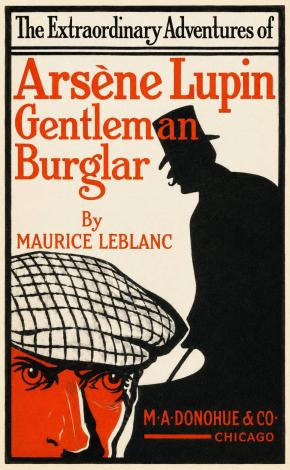
The Extraordinary Adventures of Arsène Lupin, Gentleman-Burglar
"The Extraordinary Adventures of Arsène Lupin, Gentleman-Burglar" by Maurice Leblanc is a collection of stories published in 1907. This debut collection introduces the charming and cunning Arsène Lupin, a master thief who outsmarts police and high society alike. Through nine tales of daring heists, clever disguises, and audacious escapes, Lupin proves himself an unmatched criminal genius. From shipboard robberies to prison breaks, he taunts authorities—including a famous English detective—while stealing priceless treasures with impeccable style and wit.
are indicated by "(F.)" +1
literature
indiquer
signaler
Les notes sont signalées par l’abréviation « (F.) ».
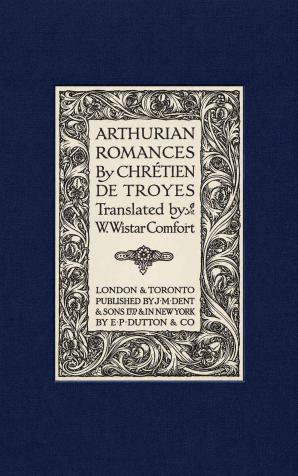
Four Arthurian Romances
"Four Arthurian Romances" by Chrétien de Troyes is a collection of medieval narratives written in the latter part of the 12th century. This work encompasses the stories of four heroes: Erec, Cligés, Yvain, and Lancelot, each exploring the themes of chivalry, romance, and adventure intertwined with the sophisticated ideals of courtly love. The romances reflect the rich tapestry of Arthurian legend, showcasing knights undertaking noble quests and engaging in battles for honor and love. The opening of "Four Arthurian Romances" introduces the tale of Erec and Enide, beginning with King Arthur's court and the announcement of a hunt for the elusive White Stag, which involves a significant and potentially troublesome tradition. Erec, a prominent knight, is drawn into conflict after a dwarf and a knight insult and strike a damsel at the court. Following this assault, Erec seeks to avenge the honor of the lady, embarking on a quest that leads him through various perils and encounters. His journey sets the stage for themes of valor and love as Erec strives to prove himself worthy, ultimately leading to his romantic involvement with Enide and the promise of her marriage. The romance illustrates not just action and adventure, but also explores the emotional and social dynamics of courtly life in a quintessential chivalric manner.
Endnotes supplied by Prof. Foerster are indicated by "(F.)". +1
publishing
sont indiquées par
Sont marquées ou identifiées par un signe particulier ou une notation particulière.
Four Arthurian Romances
"Four Arthurian Romances" by Chrétien de Troyes is a collection of medieval narratives written in the latter part of the 12th century. This work encompasses the stories of four heroes: Erec, Cligés, Yvain, and Lancelot, each exploring the themes of chivalry, romance, and adventure intertwined with the sophisticated ideals of courtly love. The romances reflect the rich tapestry of Arthurian legend, showcasing knights undertaking noble quests and engaging in battles for honor and love. The opening of "Four Arthurian Romances" introduces the tale of Erec and Enide, beginning with King Arthur's court and the announcement of a hunt for the elusive White Stag, which involves a significant and potentially troublesome tradition. Erec, a prominent knight, is drawn into conflict after a dwarf and a knight insult and strike a damsel at the court. Following this assault, Erec seeks to avenge the honor of the lady, embarking on a quest that leads him through various perils and encounters. His journey sets the stage for themes of valor and love as Erec strives to prove himself worthy, ultimately leading to his romantic involvement with Enide and the promise of her marriage. The romance illustrates not just action and adventure, but also explores the emotional and social dynamics of courtly life in a quintessential chivalric manner.
View arrows indicate inside and outside explicitly.
documentation
indiquer
montrer
Décrit ce que font les flèches de vue dans le diagramme.
S1 keeps spinning: maintenance record
Accessible representation of the independent PDF and its original visual. Same document, not a third independent material.
“You may wonder why we keep that window wide open on an October afternoon,” said the niece, indicating a large French window that opened on to a lawn.
general
montrer
indiquer
La nièce fait un geste en direction de la grande fenêtre en parlant.
The Open Window — Complete Original Text
The Open Window — Complete Original Text — complete contextual material in English.
Endnotes supplied by Prof. Foerster are indicated by "(F.)"
publishing
indiqué par
Marqué ou identifié au moyen d’un signe ou d’une notation particuliers.
Four Arthurian Romances
"Four Arthurian Romances" by Chrétien de Troyes is a collection of medieval narratives written in the latter part of the 12th century. This work encompasses the stories of four heroes: Erec, Cligés, Yvain, and Lancelot, each exploring the themes of chivalry, romance, and adventure intertwined with the sophisticated ideals of courtly love. The romances reflect the rich tapestry of Arthurian legend, showcasing knights undertaking noble quests and engaging in battles for honor and love. The opening of "Four Arthurian Romances" introduces the tale of Erec and Enide, beginning with King Arthur's court and the announcement of a hunt for the elusive White Stag, which involves a significant and potentially troublesome tradition. Erec, a prominent knight, is drawn into conflict after a dwarf and a knight insult and strike a damsel at the court. Following this assault, Erec seeks to avenge the honor of the lady, embarking on a quest that leads him through various perils and encounters. His journey sets the stage for themes of valor and love as Erec strives to prove himself worthy, ultimately leading to his romantic involvement with Enide and the promise of her marriage. The romance illustrates not just action and adventure, but also explores the emotional and social dynamics of courtly life in a quintessential chivalric manner.
His debt to Ovid has not yet been indicated with sufficient preciseness.
general
n’a pas encore été indiqué
N’a pas été spécifié ni montré jusqu’à présent.
Four Arthurian Romances
"Four Arthurian Romances" by Chrétien de Troyes is a collection of medieval narratives written in the latter part of the 12th century. This work encompasses the stories of four heroes: Erec, Cligés, Yvain, and Lancelot, each exploring the themes of chivalry, romance, and adventure intertwined with the sophisticated ideals of courtly love. The romances reflect the rich tapestry of Arthurian legend, showcasing knights undertaking noble quests and engaging in battles for honor and love. The opening of "Four Arthurian Romances" introduces the tale of Erec and Enide, beginning with King Arthur's court and the announcement of a hunt for the elusive White Stag, which involves a significant and potentially troublesome tradition. Erec, a prominent knight, is drawn into conflict after a dwarf and a knight insult and strike a damsel at the court. Following this assault, Erec seeks to avenge the honor of the lady, embarking on a quest that leads him through various perils and encounters. His journey sets the stage for themes of valor and love as Erec strives to prove himself worthy, ultimately leading to his romantic involvement with Enide and the promise of her marriage. The romance illustrates not just action and adventure, but also explores the emotional and social dynamics of courtly life in a quintessential chivalric manner.
To be sure, the clock indicated eleven o’clock.
crime
indiquer
Pour une horloge, indiquer signifie montrer l’heure par la position de ses aiguilles.
The Extraordinary Adventures of Arsène Lupin, Gentleman-Burglar
"The Extraordinary Adventures of Arsène Lupin, Gentleman-Burglar" by Maurice Leblanc is a collection of stories published in 1907. This debut collection introduces the charming and cunning Arsène Lupin, a master thief who outsmarts police and high society alike. Through nine tales of daring heists, clever disguises, and audacious escapes, Lupin proves himself an unmatched criminal genius. From shipboard robberies to prison breaks, he taunts authorities—including a famous English detective—while stealing priceless treasures with impeccable style and wit.
"Sir," said I, "when I am fortified by a good supper, I will venture to indicate my preferences on the subject."
general
me risquer à indiquer mes préférences
Une manière formelle ou polie de dire que le locuteur ose exprimer ce qu’il préfère.
The Yeoman Adventurer
"The Yeoman Adventurer" by George W. Gough is a historical novel likely written in the early 20th century. The story unfolds through the experiences of Oliver Wheatman, a yeoman, as he navigates life in a tumultuous period marked by the Jacobite uprisings, personal ambition, and romantic entanglements. The novel delves into themes of bravery, identity, and the quest for adventure against a backdrop of deep social and political upheaval. The opening of the book introduces Oliver Wheatman as he reflects on his life in a rural setting, immediately exposing his longing for adventure and the complexities of his relationships, especially with a character named Kate and her brother Jack Dobson, a soldier. As he witnesses soldiers marching and grapples with feelings of inadequacy, his fate intertwines with that of a captivating woman, Mistress Margaret Waynflete, who is entangled in the Jacobite cause. The chapter sets up a series of events where violence and danger emerge, ultimately leading Oliver to rescue Mistress Waynflete, and shapes the thrilling and romantic quest that defines the narrative.
