


Enter the word for search
commonplace
UK
/ˈkɒm.ən.pleɪs/
US
/ˈkɑː.mən.pleɪs/
Library
She preferred to keep it, to live in a commonplace apartment. +1
lifestyle
обычный
заурядный
Его commonplace appearance выглядит заурядно и не соответствует яркому образу, который создали люди.
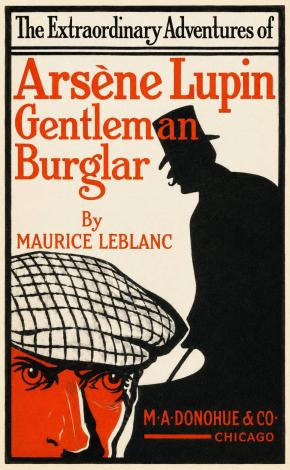
The Extraordinary Adventures of Arsène Lupin, Gentleman-Burglar
"The Extraordinary Adventures of Arsène Lupin, Gentleman-Burglar" by Maurice Leblanc is a collection of stories published in 1907. This debut collection introduces the charming and cunning Arsène Lupin, a master thief who outsmarts police and high society alike. Through nine tales of daring heists, clever disguises, and audacious escapes, Lupin proves himself an unmatched criminal genius. From shipboard robberies to prison breaks, he taunts authorities—including a famous English detective—while stealing priceless treasures with impeccable style and wit.
[ This commonplace remark is quoted as a proverb of the rustic in "Ipomedon", 1671-72; id.
general
банальный
В сочетании commonplace remark прилагательное означает «банальный» или «неоригинальный», а не относится к физическому месту.
Four Arthurian Romances
"Four Arthurian Romances" by Chrétien de Troyes is a collection of medieval narratives written in the latter part of the 12th century. This work encompasses the stories of four heroes: Erec, Cligés, Yvain, and Lancelot, each exploring the themes of chivalry, romance, and adventure intertwined with the sophisticated ideals of courtly love. The romances reflect the rich tapestry of Arthurian legend, showcasing knights undertaking noble quests and engaging in battles for honor and love. The opening of "Four Arthurian Romances" introduces the tale of Erec and Enide, beginning with King Arthur's court and the announcement of a hunt for the elusive White Stag, which involves a significant and potentially troublesome tradition. Erec, a prominent knight, is drawn into conflict after a dwarf and a knight insult and strike a damsel at the court. Following this assault, Erec seeks to avenge the honor of the lady, embarking on a quest that leads him through various perils and encounters. His journey sets the stage for themes of valor and love as Erec strives to prove himself worthy, ultimately leading to his romantic involvement with Enide and the promise of her marriage. The romance illustrates not just action and adventure, but also explores the emotional and social dynamics of courtly life in a quintessential chivalric manner.

[ This commonplace remark is quoted as a proverb of the rustic in "Ipomedon", 1671-72; id.
literature
банальное замечание
Знакомое и неоригинальное замечание или высказывание.
Four Arthurian Romances
"Four Arthurian Romances" by Chrétien de Troyes is a collection of medieval narratives written in the latter part of the 12th century. This work encompasses the stories of four heroes: Erec, Cligés, Yvain, and Lancelot, each exploring the themes of chivalry, romance, and adventure intertwined with the sophisticated ideals of courtly love. The romances reflect the rich tapestry of Arthurian legend, showcasing knights undertaking noble quests and engaging in battles for honor and love. The opening of "Four Arthurian Romances" introduces the tale of Erec and Enide, beginning with King Arthur's court and the announcement of a hunt for the elusive White Stag, which involves a significant and potentially troublesome tradition. Erec, a prominent knight, is drawn into conflict after a dwarf and a knight insult and strike a damsel at the court. Following this assault, Erec seeks to avenge the honor of the lady, embarking on a quest that leads him through various perils and encounters. His journey sets the stage for themes of valor and love as Erec strives to prove himself worthy, ultimately leading to his romantic involvement with Enide and the promise of her marriage. The romance illustrates not just action and adventure, but also explores the emotional and social dynamics of courtly life in a quintessential chivalric manner.
For an instant, at least, he looked down upon all their sprawling eccentricities from the starry pinnacle of the commonplace.
literature
вершина обыденности
Метафорическая высшая точка, связанная с обычным и знакомым здравым смыслом.
The Man Who Was Thursday: A Nightmare
"The Man Who Was Thursday: A Nightmare" by G. K. Chesterton is a philosophical novel with elements of adventure and satire, written in the late 19th century. The story revolves around the enigmatic character Gabriel Syme, a police detective who infiltrates a group of anarchists in London to uncover their plans and identities. As the narrative unfolds, it explores complex themes of order, chaos, and the nature of evil, often through witty dialogue and absurd situations that challenge conventional thinking. At the start of the novel, readers are introduced to the suburb of Saffron Park, with its colorful and eccentric inhabitants, primarily poets and artists. One evening, during a striking sunset, the anarchistic poet Lucian Gregory meets Gabriel Syme, who surprises him with bold arguments in favor of law and order, challenging Gregory's views. Their conversation escalates into a duel of ideologies when Gregory reveals his deep commitment to anarchism, which leads to a confrontation between the two. In a twist of fate, Syme's true identity as a detective is disclosed, and as he joins the anarchists disguised as one of them, the stage is set for a profound exploration of the philosophical conflict between chaos and structure in society.

At first sight, they were a little disappointed on account of his commonplace appearance.
general
заурядная внешность
Обычная, ничем не примечательная внешность.
The Extraordinary Adventures of Arsène Lupin, Gentleman-Burglar
"The Extraordinary Adventures of Arsène Lupin, Gentleman-Burglar" by Maurice Leblanc is a collection of stories published in 1907. This debut collection introduces the charming and cunning Arsène Lupin, a master thief who outsmarts police and high society alike. Through nine tales of daring heists, clever disguises, and audacious escapes, Lupin proves himself an unmatched criminal genius. From shipboard robberies to prison breaks, he taunts authorities—including a famous English detective—while stealing priceless treasures with impeccable style and wit.
The most marvellous of human adventures become commonplace by repetition, and Mrs. Van Stuyler had already spent nearly a fortnight devouring every item, whether of fact or fancy, with which the American Press had embroidered the adventures of the Astronef and her crew.
general
становиться обыденным
Терять новизну и становиться обычным из-за частого повторения или распространения.
A Honeymoon in Space
A Honeymoon in Space is a 1901 novel by George Griffith. It was originally serialized in abridged form in Pearson's Magazine in 1900 under the title Stories of Other Worlds. The scientific romance story depicts a tour of the Solar System, a type of story that was in vogue at the time.

If it wouldn't be something like blasphemy I should drop down to the commonplace, and call Saturn a celestial spinning-top, with bands of light and shadow instead of colours all round it.
literature
опуститься до банальности
Отказаться от возвышенной или образной речи и использовать обычные, банальные слова.
A Honeymoon in Space
A Honeymoon in Space is a 1901 novel by George Griffith. It was originally serialized in abridged form in Pearson's Magazine in 1900 under the title Stories of Other Worlds. The scientific romance story depicts a tour of the Solar System, a type of story that was in vogue at the time.