


Enter the word for search
evil
UK
/ˈiːvəl/
US
/ˈivəl/
Library
the problems of evil and suffering +15
theology
зло
Употреблено в широком смысле для обозначения вреда или тяжёлых обстоятельств, которые помощь или вмешательство могут предотвратить или уменьшить.
Disasters: Core Concepts and Ethical Theories
This Open Access Book is the first to examine disasters from a multidisciplinary perspective. Justification of actions in the face of disasters requires recourse both to conceptual analysis and ethical traditions. Part 1 of the book contains chapters on how disasters are conceptualized in different academic disciplines relevant to disasters. Part 2 has chapters on how ethical issues that arise in relation to disasters can be addressed from a number of fundamental normative approaches in moral and political philosophy. This book sets the stage for more focused normative debates given that no one book can be completely comprehensive.

in what an evil hour +3
literature
злосчастный
злополучный
В выражении evil hour слово описывает несчастливое или роковое время, а не моральное зло.
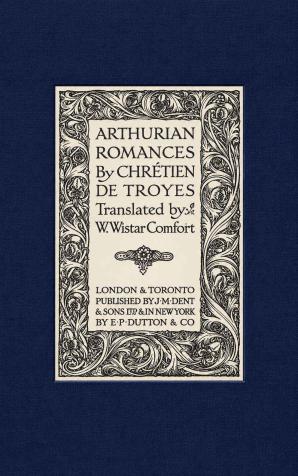
Four Arthurian Romances
"Four Arthurian Romances" by Chrétien de Troyes is a collection of medieval narratives written in the latter part of the 12th century. This work encompasses the stories of four heroes: Erec, Cligés, Yvain, and Lancelot, each exploring the themes of chivalry, romance, and adventure intertwined with the sophisticated ideals of courtly love. The romances reflect the rich tapestry of Arthurian legend, showcasing knights undertaking noble quests and engaging in battles for honor and love. The opening of "Four Arthurian Romances" introduces the tale of Erec and Enide, beginning with King Arthur's court and the announcement of a hunt for the elusive White Stag, which involves a significant and potentially troublesome tradition. Erec, a prominent knight, is drawn into conflict after a dwarf and a knight insult and strike a damsel at the court. Following this assault, Erec seeks to avenge the honor of the lady, embarking on a quest that leads him through various perils and encounters. His journey sets the stage for themes of valor and love as Erec strives to prove himself worthy, ultimately leading to his romantic involvement with Enide and the promise of her marriage. The romance illustrates not just action and adventure, but also explores the emotional and social dynamics of courtly life in a quintessential chivalric manner.
In what an evil hour have I witnessed my pride and presumption! +3
literature
в какой злосчастный час
в злосчастный час
в недобрый час
Восклицание сожаления о злосчастном времени, когда что-либо произошло.
Four Arthurian Romances
"Four Arthurian Romances" by Chrétien de Troyes is a collection of medieval narratives written in the latter part of the 12th century. This work encompasses the stories of four heroes: Erec, Cligés, Yvain, and Lancelot, each exploring the themes of chivalry, romance, and adventure intertwined with the sophisticated ideals of courtly love. The romances reflect the rich tapestry of Arthurian legend, showcasing knights undertaking noble quests and engaging in battles for honor and love. The opening of "Four Arthurian Romances" introduces the tale of Erec and Enide, beginning with King Arthur's court and the announcement of a hunt for the elusive White Stag, which involves a significant and potentially troublesome tradition. Erec, a prominent knight, is drawn into conflict after a dwarf and a knight insult and strike a damsel at the court. Following this assault, Erec seeks to avenge the honor of the lady, embarking on a quest that leads him through various perils and encounters. His journey sets the stage for themes of valor and love as Erec strives to prove himself worthy, ultimately leading to his romantic involvement with Enide and the promise of her marriage. The romance illustrates not just action and adventure, but also explores the emotional and social dynamics of courtly life in a quintessential chivalric manner.
Voltaire also rejected claims that Lisbon was destroyed as part of God’s judgment, sarcastically wondering if Lisbon was more evil than London or Paris. +2
ethics
порочный
злой
Описывает мужчин, которые отняли мальчика у его семьи.
Disasters: Core Concepts and Ethical Theories
This Open Access Book is the first to examine disasters from a multidisciplinary perspective. Justification of actions in the face of disasters requires recourse both to conceptual analysis and ethical traditions. Part 1 of the book contains chapters on how disasters are conceptualized in different academic disciplines relevant to disasters. Part 2 has chapters on how ethical issues that arise in relation to disasters can be addressed from a number of fundamental normative approaches in moral and political philosophy. This book sets the stage for more focused normative debates given that no one book can be completely comprehensive.
The problem of evil: The dialogue between Voltaire and Rousseau revisited. +2
philosophy
проблема зла
Философский вопрос о существовании зла, особенно в связи с благим или всемогущим божеством.
Disasters: Core Concepts and Ethical Theories
This Open Access Book is the first to examine disasters from a multidisciplinary perspective. Justification of actions in the face of disasters requires recourse both to conceptual analysis and ethical traditions. Part 1 of the book contains chapters on how disasters are conceptualized in different academic disciplines relevant to disasters. Part 2 has chapters on how ethical issues that arise in relation to disasters can be addressed from a number of fundamental normative approaches in moral and political philosophy. This book sets the stage for more focused normative debates given that no one book can be completely comprehensive.
Those who intend evil toward her lover. +2
general
зло
В выражении think or speak evil of us evil означает дурные или злонамеренные мысли и слова о влюблённых.
Four Arthurian Romances
"Four Arthurian Romances" by Chrétien de Troyes is a collection of medieval narratives written in the latter part of the 12th century. This work encompasses the stories of four heroes: Erec, Cligés, Yvain, and Lancelot, each exploring the themes of chivalry, romance, and adventure intertwined with the sophisticated ideals of courtly love. The romances reflect the rich tapestry of Arthurian legend, showcasing knights undertaking noble quests and engaging in battles for honor and love. The opening of "Four Arthurian Romances" introduces the tale of Erec and Enide, beginning with King Arthur's court and the announcement of a hunt for the elusive White Stag, which involves a significant and potentially troublesome tradition. Erec, a prominent knight, is drawn into conflict after a dwarf and a knight insult and strike a damsel at the court. Following this assault, Erec seeks to avenge the honor of the lady, embarking on a quest that leads him through various perils and encounters. His journey sets the stage for themes of valor and love as Erec strives to prove himself worthy, ultimately leading to his romantic involvement with Enide and the promise of her marriage. The romance illustrates not just action and adventure, but also explores the emotional and social dynamics of courtly life in a quintessential chivalric manner.
His awareness of his own evil. +1
theology
зло
Здесь это существительное, обозначающее жестокий поступок, который инициировал Одиссей.
Disasters: Core Concepts and Ethical Theories
This Open Access Book is the first to examine disasters from a multidisciplinary perspective. Justification of actions in the face of disasters requires recourse both to conceptual analysis and ethical traditions. Part 1 of the book contains chapters on how disasters are conceptualized in different academic disciplines relevant to disasters. Part 2 has chapters on how ethical issues that arise in relation to disasters can be addressed from a number of fundamental normative approaches in moral and political philosophy. This book sets the stage for more focused normative debates given that no one book can be completely comprehensive.
This will lead to a review of theodicy, theological arguments developed to justify why God could allow evil and suffering, which could include disasters. +1
theology
зло и страдания
Пара понятий, часто обсуждаемая в богословских рассуждениях о том, почему существует страдание.
Disasters: Core Concepts and Ethical Theories
This Open Access Book is the first to examine disasters from a multidisciplinary perspective. Justification of actions in the face of disasters requires recourse both to conceptual analysis and ethical traditions. Part 1 of the book contains chapters on how disasters are conceptualized in different academic disciplines relevant to disasters. Part 2 has chapters on how ethical issues that arise in relation to disasters can be addressed from a number of fundamental normative approaches in moral and political philosophy. This book sets the stage for more focused normative debates given that no one book can be completely comprehensive.
One does not know what good fortune is until he has made trial of evil. +1
general
невзгоды
беда
В выражении «evil will come of it» evil означает вред или плохое последствие, а не абстрактное моральное зло.
Four Arthurian Romances
"Four Arthurian Romances" by Chrétien de Troyes is a collection of medieval narratives written in the latter part of the 12th century. This work encompasses the stories of four heroes: Erec, Cligés, Yvain, and Lancelot, each exploring the themes of chivalry, romance, and adventure intertwined with the sophisticated ideals of courtly love. The romances reflect the rich tapestry of Arthurian legend, showcasing knights undertaking noble quests and engaging in battles for honor and love. The opening of "Four Arthurian Romances" introduces the tale of Erec and Enide, beginning with King Arthur's court and the announcement of a hunt for the elusive White Stag, which involves a significant and potentially troublesome tradition. Erec, a prominent knight, is drawn into conflict after a dwarf and a knight insult and strike a damsel at the court. Following this assault, Erec seeks to avenge the honor of the lady, embarking on a quest that leads him through various perils and encounters. His journey sets the stage for themes of valor and love as Erec strives to prove himself worthy, ultimately leading to his romantic involvement with Enide and the promise of her marriage. The romance illustrates not just action and adventure, but also explores the emotional and social dynamics of courtly life in a quintessential chivalric manner.
May evil have thee +1
literature
зло
беды
В этом контексте evils означает многочисленные беды, вызванные их отношениями.
King Arthur and the Knights of the Round Table
"King Arthur and the Knights of the Round Table" by Sir Thomas Malory is a prose compilation written around 1470. This Middle English work weaves together legendary tales of King Arthur, Guinevere, Lancelot, Merlin, and the Knights of the Round Table. Malory assembled and reworked material from various French and English sources to create a complete narrative spanning Arthur's conception to his death. The compilation includes the quest for the Holy Grail and the legend of Tristan and Iseult, creating one of the most influential works of Arthurian literature.

There is a global moral order that necessitates assistance and intervention to prevent or mitigate evil.
ethics
предотвращать или смягчать зло
Не допустить зла или уменьшить его последствия.
Disasters: Core Concepts and Ethical Theories
This Open Access Book is the first to examine disasters from a multidisciplinary perspective. Justification of actions in the face of disasters requires recourse both to conceptual analysis and ethical traditions. Part 1 of the book contains chapters on how disasters are conceptualized in different academic disciplines relevant to disasters. Part 2 has chapters on how ethical issues that arise in relation to disasters can be addressed from a number of fundamental normative approaches in moral and political philosophy. This book sets the stage for more focused normative debates given that no one book can be completely comprehensive.
Rather than seek vengeance on them, he declared that while they intended to harm him, God brought good out of their evil intentions (Genesis 50:20).
religion
обратил их злые намерения во благо
Сделал так, что из их злых намерений возникло нечто благотворное.
Disasters: Core Concepts and Ethical Theories
This Open Access Book is the first to examine disasters from a multidisciplinary perspective. Justification of actions in the face of disasters requires recourse both to conceptual analysis and ethical traditions. Part 1 of the book contains chapters on how disasters are conceptualized in different academic disciplines relevant to disasters. Part 2 has chapters on how ethical issues that arise in relation to disasters can be addressed from a number of fundamental normative approaches in moral and political philosophy. This book sets the stage for more focused normative debates given that no one book can be completely comprehensive.