


Enter the word for search
executed
UK
/ˈɛksɪkjuːtɪd/
US
/ˈɛksɪˌkjutɪd/
Library
Jews were falsely accused of having executed her
history
казнить
В отрывке говорится, что евреев ложно обвинили в убийстве девочки; здесь глагол означает лишить жизни.
European Theatre Migrants in the Age of Empire
This collection examines the journeys and working lives of European theatre practitioners during the age of empire. Historical case studies explore migration, performance, cultural exchange and the political conditions shaping theatrical careers across national borders.

allowed her to execute the role of a soldier/gaucho
theater
исполнять
Здесь глагол означает исполнить роль солдата или гаучо, а не привести наказание в исполнение.
European Theatre Migrants in the Age of Empire
This collection examines the journeys and working lives of European theatre practitioners during the age of empire. Historical case studies explore migration, performance, cultural exchange and the political conditions shaping theatrical careers across national borders.
With which he executed my plans, he greatly contributed to my success.
general
осуществить план
Осуществить или выполнить чей-либо план.
Men of Invention and Industry
"Men of Invention and Industry" by Samuel Smiles is a historical account likely written in the late 19th century. The book examines the lives and contributions of various inventors and industrialists, highlighting their impact on society, particularly within British industry, with an emphasis on significant advancements such as shipbuilding and steam power. The opening of the book sets the stage with a discussion of the early history of English shipbuilding, beginning with the figure of Phineas Pett. It explores the humble beginnings of the British navy and the advancements made under historical figures like Henry VIII. Various early challenges in shipbuilding are elucidated, alongside the importance of foreign expertise in developing England’s maritime capabilities. The narrative illustrates a shift from a heavy reliance on importing goods and expertise to a burgeoning English independence in shipbuilding and trade, paving the way for a stronger national identity tied to maritime innovation.

He then proceeded to send Murdock the drawing of a "parallel motion for the machine," to be executed by the workmen at Soho.
engineering
быть изготовленным рабочими
В данном контексте — быть изготовленным или выполненным рабочими.
Men of Invention and Industry
"Men of Invention and Industry" by Samuel Smiles is a historical account likely written in the late 19th century. The book examines the lives and contributions of various inventors and industrialists, highlighting their impact on society, particularly within British industry, with an emphasis on significant advancements such as shipbuilding and steam power. The opening of the book sets the stage with a discussion of the early history of English shipbuilding, beginning with the figure of Phineas Pett. It explores the humble beginnings of the British navy and the advancements made under historical figures like Henry VIII. Various early challenges in shipbuilding are elucidated, alongside the importance of foreign expertise in developing England’s maritime capabilities. The narrative illustrates a shift from a heavy reliance on importing goods and expertise to a burgeoning English independence in shipbuilding and trade, paving the way for a stronger national identity tied to maritime innovation.
I find in an appendix a paper which resumes the controversy on this subject; and it will be enough to say here that Rennie did not design the Bell Rock, that he did not execute it, and that he was not paid for it.
engineering
осуществить
В контексте строительства execute означает осуществить проект или выполнить работу.
Records of a Family of Engineers
"Records of a Family of Engineers" by Robert Louis Stevenson is a historical account written in the early 20th century. The book delves into the lineage of the Stevenson family, particularly focusing on their contributions as engineers and their experiences across generations in Scotland, intertwining personal anecdotes with broader historical narratives. The opening of the book introduces the reader to the Stevenson family tree, tracing their surname's evolution and historical context from the 13th century onward. It reveals a lineage that has faced both successes and tragedies, with a particular focus on the early lives of James Stevenson, his brother Hugh, and their heir, Robert Stevenson. The text sketches their aspirations, marriages, and struggles, ultimately painting a portrait of a family deeply rooted in the engineering profession, set against the backdrop of the rugged Scottish landscape and societal changes of their time. This initial section not only captures the essence of their individual experiences but sets the stage for further exploration of the family's lasting impact on engineering.

executed a most excellent work
art
выполнять
В этом художественном контексте execute означает выполнить или завершить работу, а не казнить кого-либо.
Four Arthurian Romances
"Four Arthurian Romances" by Chrétien de Troyes is a collection of medieval narratives written in the latter part of the 12th century. This work encompasses the stories of four heroes: Erec, Cligés, Yvain, and Lancelot, each exploring the themes of chivalry, romance, and adventure intertwined with the sophisticated ideals of courtly love. The romances reflect the rich tapestry of Arthurian legend, showcasing knights undertaking noble quests and engaging in battles for honor and love. The opening of "Four Arthurian Romances" introduces the tale of Erec and Enide, beginning with King Arthur's court and the announcement of a hunt for the elusive White Stag, which involves a significant and potentially troublesome tradition. Erec, a prominent knight, is drawn into conflict after a dwarf and a knight insult and strike a damsel at the court. Following this assault, Erec seeks to avenge the honor of the lady, embarking on a quest that leads him through various perils and encounters. His journey sets the stage for themes of valor and love as Erec strives to prove himself worthy, ultimately leading to his romantic involvement with Enide and the promise of her marriage. The romance illustrates not just action and adventure, but also explores the emotional and social dynamics of courtly life in a quintessential chivalric manner.
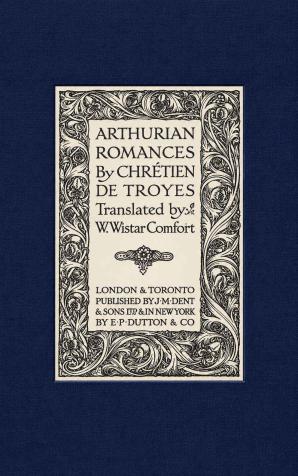
There was no snivelling or attempt to run away when the squires heard this command, but without grumbling or complaint they execute what he commands.
general
исполнять то, что он приказывает
Здесь execute означает «исполнять», а не «казнить».
Four Arthurian Romances
"Four Arthurian Romances" by Chrétien de Troyes is a collection of medieval narratives written in the latter part of the 12th century. This work encompasses the stories of four heroes: Erec, Cligés, Yvain, and Lancelot, each exploring the themes of chivalry, romance, and adventure intertwined with the sophisticated ideals of courtly love. The romances reflect the rich tapestry of Arthurian legend, showcasing knights undertaking noble quests and engaging in battles for honor and love. The opening of "Four Arthurian Romances" introduces the tale of Erec and Enide, beginning with King Arthur's court and the announcement of a hunt for the elusive White Stag, which involves a significant and potentially troublesome tradition. Erec, a prominent knight, is drawn into conflict after a dwarf and a knight insult and strike a damsel at the court. Following this assault, Erec seeks to avenge the honor of the lady, embarking on a quest that leads him through various perils and encounters. His journey sets the stage for themes of valor and love as Erec strives to prove himself worthy, ultimately leading to his romantic involvement with Enide and the promise of her marriage. The romance illustrates not just action and adventure, but also explores the emotional and social dynamics of courtly life in a quintessential chivalric manner.
When he heard this news, he took masons and carpenters who unwillingly or of their own free-will executed his commands.
general
исполнять чьи-либо приказы
Выполнить или исполнить приказы человека, обладающего властью.
Four Arthurian Romances
"Four Arthurian Romances" by Chrétien de Troyes is a collection of medieval narratives written in the latter part of the 12th century. This work encompasses the stories of four heroes: Erec, Cligés, Yvain, and Lancelot, each exploring the themes of chivalry, romance, and adventure intertwined with the sophisticated ideals of courtly love. The romances reflect the rich tapestry of Arthurian legend, showcasing knights undertaking noble quests and engaging in battles for honor and love. The opening of "Four Arthurian Romances" introduces the tale of Erec and Enide, beginning with King Arthur's court and the announcement of a hunt for the elusive White Stag, which involves a significant and potentially troublesome tradition. Erec, a prominent knight, is drawn into conflict after a dwarf and a knight insult and strike a damsel at the court. Following this assault, Erec seeks to avenge the honor of the lady, embarking on a quest that leads him through various perils and encounters. His journey sets the stage for themes of valor and love as Erec strives to prove himself worthy, ultimately leading to his romantic involvement with Enide and the promise of her marriage. The romance illustrates not just action and adventure, but also explores the emotional and social dynamics of courtly life in a quintessential chivalric manner.
Death, who covets only those who fear her, will not come to me; but my belt will bring her within my power, and as soon as she is mine, she will execute my desire.
general
исполнить чьё-либо желание
Исполнить чьё-либо желание.
Four Arthurian Romances
"Four Arthurian Romances" by Chrétien de Troyes is a collection of medieval narratives written in the latter part of the 12th century. This work encompasses the stories of four heroes: Erec, Cligés, Yvain, and Lancelot, each exploring the themes of chivalry, romance, and adventure intertwined with the sophisticated ideals of courtly love. The romances reflect the rich tapestry of Arthurian legend, showcasing knights undertaking noble quests and engaging in battles for honor and love. The opening of "Four Arthurian Romances" introduces the tale of Erec and Enide, beginning with King Arthur's court and the announcement of a hunt for the elusive White Stag, which involves a significant and potentially troublesome tradition. Erec, a prominent knight, is drawn into conflict after a dwarf and a knight insult and strike a damsel at the court. Following this assault, Erec seeks to avenge the honor of the lady, embarking on a quest that leads him through various perils and encounters. His journey sets the stage for themes of valor and love as Erec strives to prove himself worthy, ultimately leading to his romantic involvement with Enide and the promise of her marriage. The romance illustrates not just action and adventure, but also explores the emotional and social dynamics of courtly life in a quintessential chivalric manner.
And know that I admire you greatly for having executed what no one before ever dared to conceive.
general
восхищаться кем-либо за то, что он это осуществил
Восхищаться человеком за уже совершённое действие; execute здесь значит «осуществить», а не «казнить».
Four Arthurian Romances
"Four Arthurian Romances" by Chrétien de Troyes is a collection of medieval narratives written in the latter part of the 12th century. This work encompasses the stories of four heroes: Erec, Cligés, Yvain, and Lancelot, each exploring the themes of chivalry, romance, and adventure intertwined with the sophisticated ideals of courtly love. The romances reflect the rich tapestry of Arthurian legend, showcasing knights undertaking noble quests and engaging in battles for honor and love. The opening of "Four Arthurian Romances" introduces the tale of Erec and Enide, beginning with King Arthur's court and the announcement of a hunt for the elusive White Stag, which involves a significant and potentially troublesome tradition. Erec, a prominent knight, is drawn into conflict after a dwarf and a knight insult and strike a damsel at the court. Following this assault, Erec seeks to avenge the honor of the lady, embarking on a quest that leads him through various perils and encounters. His journey sets the stage for themes of valor and love as Erec strives to prove himself worthy, ultimately leading to his romantic involvement with Enide and the promise of her marriage. The romance illustrates not just action and adventure, but also explores the emotional and social dynamics of courtly life in a quintessential chivalric manner.
The other followed her, and made all the haste she could; but her journey was all in vain, for her eider sister had already presented her case to my lord Gawain, and he had promised to execute her will.
law
исполнить её волю
Здесь означает выполнить её желание или распоряжение, а не составить завещание.
Four Arthurian Romances
"Four Arthurian Romances" by Chrétien de Troyes is a collection of medieval narratives written in the latter part of the 12th century. This work encompasses the stories of four heroes: Erec, Cligés, Yvain, and Lancelot, each exploring the themes of chivalry, romance, and adventure intertwined with the sophisticated ideals of courtly love. The romances reflect the rich tapestry of Arthurian legend, showcasing knights undertaking noble quests and engaging in battles for honor and love. The opening of "Four Arthurian Romances" introduces the tale of Erec and Enide, beginning with King Arthur's court and the announcement of a hunt for the elusive White Stag, which involves a significant and potentially troublesome tradition. Erec, a prominent knight, is drawn into conflict after a dwarf and a knight insult and strike a damsel at the court. Following this assault, Erec seeks to avenge the honor of the lady, embarking on a quest that leads him through various perils and encounters. His journey sets the stage for themes of valor and love as Erec strives to prove himself worthy, ultimately leading to his romantic involvement with Enide and the promise of her marriage. The romance illustrates not just action and adventure, but also explores the emotional and social dynamics of courtly life in a quintessential chivalric manner.
To-morrow, as soon as I arise, come and speak with me; then each of us will speak his mind, and we shall proceed to execute whatever seems best.
general
приступить к выполнению
Перейти к выполнению действия или плана.
Four Arthurian Romances
"Four Arthurian Romances" by Chrétien de Troyes is a collection of medieval narratives written in the latter part of the 12th century. This work encompasses the stories of four heroes: Erec, Cligés, Yvain, and Lancelot, each exploring the themes of chivalry, romance, and adventure intertwined with the sophisticated ideals of courtly love. The romances reflect the rich tapestry of Arthurian legend, showcasing knights undertaking noble quests and engaging in battles for honor and love. The opening of "Four Arthurian Romances" introduces the tale of Erec and Enide, beginning with King Arthur's court and the announcement of a hunt for the elusive White Stag, which involves a significant and potentially troublesome tradition. Erec, a prominent knight, is drawn into conflict after a dwarf and a knight insult and strike a damsel at the court. Following this assault, Erec seeks to avenge the honor of the lady, embarking on a quest that leads him through various perils and encounters. His journey sets the stage for themes of valor and love as Erec strives to prove himself worthy, ultimately leading to his romantic involvement with Enide and the promise of her marriage. The romance illustrates not just action and adventure, but also explores the emotional and social dynamics of courtly life in a quintessential chivalric manner.