


Enter the word for search
palm
UK
/pɑːm/
US
/pɑm/
Library
the verdure of the palms
botany
пальмы
Относится к пальмам, листва которых закрывает большую часть неба.
Environmental Humanities in India
This collection examines environmental questions in India through literature, culture, Indigenous knowledge and the arts. Its essays explore relationships between people and landscapes, conservation, ecological justice and representations of environmental change.

may claim the palm for its practical fruits
general
пальма первенства
В выражении claim the palm говорится, что эта отрасль науки заслуживает наибольшего признания за свои практические результаты.
The Advance of Science in the Last Half-Century
"The Advance of Science in the Last Half-Century" by Thomas Henry Huxley is a scientific publication written in the late 19th century. The work examines the significant advancements in physical science, technology, and their impact on civilization over the past fifty years, showcasing how these developments have transformed human life and understanding. Huxley aims to provide a comprehensive overview of scientific progress and its implications for society. The opening of this publication sets the stage by reflecting upon the remarkable increase in industrial production and the pivotal role of physical science during the Victorian era. Huxley outlines how machinery and improved techniques have elevated living standards and mitigated suffering from diseases and scarcity. He discusses the historical context of scientific inquiry, highlighting the evolution of natural knowledge since ancient Greece and the importance of hypotheses in driving scientific progress. The beginning emphasizes the interconnectedness of scientific advancements with industrial growth and societal changes, asserting that the pursuit of knowledge has been, and should be, an intrinsic motivation beyond mere utilitarian outcomes.

This branch of physical science may claim the palm for its practical fruits.
science
заслужить пальму первенства
Считаться лучшим или наиболее достойным похвалы.
The Advance of Science in the Last Half-Century
"The Advance of Science in the Last Half-Century" by Thomas Henry Huxley is a scientific publication written in the late 19th century. The work examines the significant advancements in physical science, technology, and their impact on civilization over the past fifty years, showcasing how these developments have transformed human life and understanding. Huxley aims to provide a comprehensive overview of scientific progress and its implications for society. The opening of this publication sets the stage by reflecting upon the remarkable increase in industrial production and the pivotal role of physical science during the Victorian era. Huxley outlines how machinery and improved techniques have elevated living standards and mitigated suffering from diseases and scarcity. He discusses the historical context of scientific inquiry, highlighting the evolution of natural knowledge since ancient Greece and the importance of hypotheses in driving scientific progress. The beginning emphasizes the interconnectedness of scientific advancements with industrial growth and societal changes, asserting that the pursuit of knowledge has been, and should be, an intrinsic motivation beyond mere utilitarian outcomes.
so that the stone is within the palm
body
ладонь
Камень кольца должен находиться внутри ладони владельца.
Four Arthurian Romances
"Four Arthurian Romances" by Chrétien de Troyes is a collection of medieval narratives written in the latter part of the 12th century. This work encompasses the stories of four heroes: Erec, Cligés, Yvain, and Lancelot, each exploring the themes of chivalry, romance, and adventure intertwined with the sophisticated ideals of courtly love. The romances reflect the rich tapestry of Arthurian legend, showcasing knights undertaking noble quests and engaging in battles for honor and love. The opening of "Four Arthurian Romances" introduces the tale of Erec and Enide, beginning with King Arthur's court and the announcement of a hunt for the elusive White Stag, which involves a significant and potentially troublesome tradition. Erec, a prominent knight, is drawn into conflict after a dwarf and a knight insult and strike a damsel at the court. Following this assault, Erec seeks to avenge the honor of the lady, embarking on a quest that leads him through various perils and encounters. His journey sets the stage for themes of valor and love as Erec strives to prove himself worthy, ultimately leading to his romantic involvement with Enide and the promise of her marriage. The romance illustrates not just action and adventure, but also explores the emotional and social dynamics of courtly life in a quintessential chivalric manner.

Bilis, on the one hand, was the smallest of all the dwarfs, while his brother Brien was a half-foot or full palm taller than any other knight in the kingdom.
measurement
пядь
Здесь palm — историческая мера длины, а не внутренняя сторона кисти руки.
Four Arthurian Romances
"Four Arthurian Romances" by Chrétien de Troyes is a collection of medieval narratives written in the latter part of the 12th century. This work encompasses the stories of four heroes: Erec, Cligés, Yvain, and Lancelot, each exploring the themes of chivalry, romance, and adventure intertwined with the sophisticated ideals of courtly love. The romances reflect the rich tapestry of Arthurian legend, showcasing knights undertaking noble quests and engaging in battles for honor and love. The opening of "Four Arthurian Romances" introduces the tale of Erec and Enide, beginning with King Arthur's court and the announcement of a hunt for the elusive White Stag, which involves a significant and potentially troublesome tradition. Erec, a prominent knight, is drawn into conflict after a dwarf and a knight insult and strike a damsel at the court. Following this assault, Erec seeks to avenge the honor of the lady, embarking on a quest that leads him through various perils and encounters. His journey sets the stage for themes of valor and love as Erec strives to prove himself worthy, ultimately leading to his romantic involvement with Enide and the promise of her marriage. The romance illustrates not just action and adventure, but also explores the emotional and social dynamics of courtly life in a quintessential chivalric manner.
the stone is within the palm
magic
внутри ладони
Описывает необходимое положение камня внутри ладони владельца.
Four Arthurian Romances
"Four Arthurian Romances" by Chrétien de Troyes is a collection of medieval narratives written in the latter part of the 12th century. This work encompasses the stories of four heroes: Erec, Cligés, Yvain, and Lancelot, each exploring the themes of chivalry, romance, and adventure intertwined with the sophisticated ideals of courtly love. The romances reflect the rich tapestry of Arthurian legend, showcasing knights undertaking noble quests and engaging in battles for honor and love. The opening of "Four Arthurian Romances" introduces the tale of Erec and Enide, beginning with King Arthur's court and the announcement of a hunt for the elusive White Stag, which involves a significant and potentially troublesome tradition. Erec, a prominent knight, is drawn into conflict after a dwarf and a knight insult and strike a damsel at the court. Following this assault, Erec seeks to avenge the honor of the lady, embarking on a quest that leads him through various perils and encounters. His journey sets the stage for themes of valor and love as Erec strives to prove himself worthy, ultimately leading to his romantic involvement with Enide and the promise of her marriage. The romance illustrates not just action and adventure, but also explores the emotional and social dynamics of courtly life in a quintessential chivalric manner.
As a result of this tender of the palm-branch, what has been the return?
politics
предложение мира
Метафорическое предложение мира или примирения; пальмовая ветвь символизирует мир.
The Souls of Black Folk
"The Souls of Black Folk" by W. E. B. Du Bois is a collection of essays published in 1903. This groundbreaking work explores the African-American experience through personal observations and social analysis. Du Bois introduces influential concepts like "double consciousness"—the experience of viewing oneself through both one's own eyes and those of a prejudiced society—and "the veil" that separates black and white Americans. Through essays on education, freedom, and justice, he examines the color line dividing races and argues for voting rights, quality education, and equal treatment.
the setting, which was turned toward the palm of his hand
body
ладонь
Ладонь — внутренняя сторона кисти, и оправа кольца была обращена к ней.
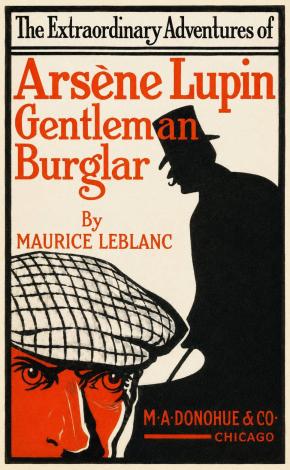
The Extraordinary Adventures of Arsène Lupin, Gentleman-Burglar
"The Extraordinary Adventures of Arsène Lupin, Gentleman-Burglar" by Maurice Leblanc is a collection of stories published in 1907. This debut collection introduces the charming and cunning Arsène Lupin, a master thief who outsmarts police and high society alike. Through nine tales of daring heists, clever disguises, and audacious escapes, Lupin proves himself an unmatched criminal genius. From shipboard robberies to prison breaks, he taunts authorities—including a famous English detective—while stealing priceless treasures with impeccable style and wit.
Only the ring was visible; but the setting, which was turned toward the palm of his hand, consisted of a magnificent ruby.
anatomy
ладонь его руки
Внутренняя сторона его кисти, к которой была обращена оправа кольца.
The Extraordinary Adventures of Arsène Lupin, Gentleman-Burglar
"The Extraordinary Adventures of Arsène Lupin, Gentleman-Burglar" by Maurice Leblanc is a collection of stories published in 1907. This debut collection introduces the charming and cunning Arsène Lupin, a master thief who outsmarts police and high society alike. Through nine tales of daring heists, clever disguises, and audacious escapes, Lupin proves himself an unmatched criminal genius. From shipboard robberies to prison breaks, he taunts authorities—including a famous English detective—while stealing priceless treasures with impeccable style and wit.
"Man," intervened Maclachlan, taking a pistol from his belt, and emphasizing his words by gently tapping its barrel on the palm of his hand, "if in ten minutes yon head isn't doctored to pairfection, it's your own sel' will be beyond all the doctoring in England."
general
на ладони
На внутренней стороне ладони.
The Yeoman Adventurer
"The Yeoman Adventurer" by George W. Gough is a historical novel likely written in the early 20th century. The story unfolds through the experiences of Oliver Wheatman, a yeoman, as he navigates life in a tumultuous period marked by the Jacobite uprisings, personal ambition, and romantic entanglements. The novel delves into themes of bravery, identity, and the quest for adventure against a backdrop of deep social and political upheaval. The opening of the book introduces Oliver Wheatman as he reflects on his life in a rural setting, immediately exposing his longing for adventure and the complexities of his relationships, especially with a character named Kate and her brother Jack Dobson, a soldier. As he witnesses soldiers marching and grapples with feelings of inadequacy, his fate intertwines with that of a captivating woman, Mistress Margaret Waynflete, who is entangled in the Jacobite cause. The chapter sets up a series of events where violence and danger emerge, ultimately leading Oliver to rescue Mistress Waynflete, and shapes the thrilling and romantic quest that defines the narrative.

There was much high debate, wagging of fingers and smiting of fist in palm, but no approach to the tumult and terror of yesternight.
general
удар кулаком по ладони
удар кулаком о раскрытую ладонь как выразительный или гневный жест
The Yeoman Adventurer
"The Yeoman Adventurer" by George W. Gough is a historical novel likely written in the early 20th century. The story unfolds through the experiences of Oliver Wheatman, a yeoman, as he navigates life in a tumultuous period marked by the Jacobite uprisings, personal ambition, and romantic entanglements. The novel delves into themes of bravery, identity, and the quest for adventure against a backdrop of deep social and political upheaval. The opening of the book introduces Oliver Wheatman as he reflects on his life in a rural setting, immediately exposing his longing for adventure and the complexities of his relationships, especially with a character named Kate and her brother Jack Dobson, a soldier. As he witnesses soldiers marching and grapples with feelings of inadequacy, his fate intertwines with that of a captivating woman, Mistress Margaret Waynflete, who is entangled in the Jacobite cause. The chapter sets up a series of events where violence and danger emerge, ultimately leading Oliver to rescue Mistress Waynflete, and shapes the thrilling and romantic quest that defines the narrative.
I shook his hand enthusiastically at this point and let a one hundred credit note slip into his palm.
body
ладонь
Palm — это часть руки, куда помещают купюру.
The Misplaced Battleship
"The Misplaced Battleship" by Harry Harrison is a science fiction novel written in the early 1960s. The story revolves around interstellar intrigue and crime, specifically the implications of a powerful battleship being secretly built in a peaceful sector of the galaxy. It addresses themes of deception, adventure, and the moral complexities faced by characters navigating both lawful and unlawful pursuits in a futuristic setting.
