


Enter the word for search
scaffolded
UK
/ˈskæfəldɪd/
US
/ˈskæfəldɪd/
Library
A framework of engagement to scaffold conversations about everyday aesthetic preferences was devised using three consecutive video conferencing meetings. +7
research
структурировать
поддерживать
создавать опоры для
Употреблено в переносном смысле: знание истории жизни человека помогает поддерживать беседу и взаимодействие.
Dementia Lab 2025: Ethics + Aesthetics in Design
This collection presents research on designing with and for people living with dementia. Its studies examine participatory methods, care environments, technology and everyday experiences, with attention to ethical questions and aesthetic engagement.

A framework of engagement to scaffold conversations about everyday aesthetic preferences was devised using three consecutive video conferencing meetings. +4
research
структурно поддерживать беседы
структурировать беседы
направлять и поддерживать беседы
поддерживать и структурировать беседы
Обеспечивать структуру и поддержку, помогающие беседе состояться или развиваться.
Dementia Lab 2025: Ethics + Aesthetics in Design
This collection presents research on designing with and for people living with dementia. Its studies examine participatory methods, care environments, technology and everyday experiences, with attention to ethical questions and aesthetic engagement.
Having the person living with dementia use the MUVR application with someone familiar was considered a means of promoting or maintaining social connectedness, by using knowledge of one’s life story to scaffold conversation and interaction in MUVR.
healthcare
создавать опору для беседы и взаимодействия
Обеспечивать поддержку или структуру, помогающую развивать беседу и взаимодействие.
Dementia Lab 2025: Ethics + Aesthetics in Design
This collection presents research on designing with and for people living with dementia. Its studies examine participatory methods, care environments, technology and everyday experiences, with attention to ethical questions and aesthetic engagement.
Aesthetics plays a role in how such technologies scaffold multisensory experiences.
technology
поддерживать мультисенсорный опыт
Помогать создавать условия для опыта, задействующего несколько органов чувств.
Dementia Lab 2025: Ethics + Aesthetics in Design
This collection presents research on designing with and for people living with dementia. Its studies examine participatory methods, care environments, technology and everyday experiences, with attention to ethical questions and aesthetic engagement.
The design includes activities to scaffold interaction.
design
поддерживать взаимодействие
Оказывать поддержку или создавать структуру, помогающую пользователям взаимодействовать.
Dementia Lab 2025: Ethics + Aesthetics in Design
This collection presents research on designing with and for people living with dementia. Its studies examine participatory methods, care environments, technology and everyday experiences, with attention to ethical questions and aesthetic engagement.
This study explored whether utilizing these capabilities offers opportunities to create accessible ways to scaffold conversations about how everyday aesthetics are experienced and expressed.
communication
помогать выстраивать беседы о
Обеспечивать структуру или поддержку, чтобы облегчить беседу на определённую тему.
Dementia Lab 2025: Ethics + Aesthetics in Design
This collection presents research on designing with and for people living with dementia. Its studies examine participatory methods, care environments, technology and everyday experiences, with attention to ethical questions and aesthetic engagement.
stood upon a scaffold suspended over the walls
construction
строительные леса
Рабочие стояли на платформе, подвешенной над стенами.
Records of a Family of Engineers
"Records of a Family of Engineers" by Robert Louis Stevenson is a historical account written in the early 20th century. The book delves into the lineage of the Stevenson family, particularly focusing on their contributions as engineers and their experiences across generations in Scotland, intertwining personal anecdotes with broader historical narratives. The opening of the book introduces the reader to the Stevenson family tree, tracing their surname's evolution and historical context from the 13th century onward. It reveals a lineage that has faced both successes and tragedies, with a particular focus on the early lives of James Stevenson, his brother Hugh, and their heir, Robert Stevenson. The text sketches their aspirations, marriages, and struggles, ultimately painting a portrait of a family deeply rooted in the engineering profession, set against the backdrop of the rugged Scottish landscape and societal changes of their time. This initial section not only captures the essence of their individual experiences but sets the stage for further exploration of the family's lasting impact on engineering.

Truth forever on the scaffold,
history
правда навеки на эшафоте
Поэтический образ правды, которую осуждают или заставляют страдать, пока кажется, что неправда правит.
The Souls of Black Folk
"The Souls of Black Folk" by W. E. B. Du Bois is a collection of essays published in 1903. This groundbreaking work explores the African-American experience through personal observations and social analysis. Du Bois introduces influential concepts like "double consciousness"—the experience of viewing oneself through both one's own eyes and those of a prejudiced society—and "the veil" that separates black and white Americans. Through essays on education, freedom, and justice, he examines the color line dividing races and argues for voting rights, quality education, and equal treatment.

He still felt an entire trust and loyalty towards his companion; but it was the trust between two men going to the scaffold.
punishment
идти на эшафот
Направляться к месту казни, идти на эшафот.
The Man Who Was Thursday: A Nightmare
"The Man Who Was Thursday: A Nightmare" by G. K. Chesterton is a philosophical novel with elements of adventure and satire, written in the late 19th century. The story revolves around the enigmatic character Gabriel Syme, a police detective who infiltrates a group of anarchists in London to uncover their plans and identities. As the narrative unfolds, it explores complex themes of order, chaos, and the nature of evil, often through witty dialogue and absurd situations that challenge conventional thinking. At the start of the novel, readers are introduced to the suburb of Saffron Park, with its colorful and eccentric inhabitants, primarily poets and artists. One evening, during a striking sunset, the anarchistic poet Lucian Gregory meets Gabriel Syme, who surprises him with bold arguments in favor of law and order, challenging Gregory's views. Their conversation escalates into a duel of ideologies when Gregory reveals his deep commitment to anarchism, which leads to a confrontation between the two. In a twist of fate, Syme's true identity as a detective is disclosed, and as he joins the anarchists disguised as one of them, the stage is set for a profound exploration of the philosophical conflict between chaos and structure in society.

As for him, he had merely the feeling of a man mounting the scaffold with the intention, at any rate, of making a good speech.
politics
взбираясь на эшафот
Буквально — подниматься к месту казни; также может намекать на встречу со смертью.
The Man Who Was Thursday: A Nightmare
"The Man Who Was Thursday: A Nightmare" by G. K. Chesterton is a philosophical novel with elements of adventure and satire, written in the late 19th century. The story revolves around the enigmatic character Gabriel Syme, a police detective who infiltrates a group of anarchists in London to uncover their plans and identities. As the narrative unfolds, it explores complex themes of order, chaos, and the nature of evil, often through witty dialogue and absurd situations that challenge conventional thinking. At the start of the novel, readers are introduced to the suburb of Saffron Park, with its colorful and eccentric inhabitants, primarily poets and artists. One evening, during a striking sunset, the anarchistic poet Lucian Gregory meets Gabriel Syme, who surprises him with bold arguments in favor of law and order, challenging Gregory's views. Their conversation escalates into a duel of ideologies when Gregory reveals his deep commitment to anarchism, which leads to a confrontation between the two. In a twist of fate, Syme's true identity as a detective is disclosed, and as he joins the anarchists disguised as one of them, the stage is set for a profound exploration of the philosophical conflict between chaos and structure in society.
At night, he had been afflicted with terrible nightmares and haunted by weird visions of the scaffold.
law
эшафот
Эшафот символизирует возможную казнь и объясняет ужас его видений.
The Extraordinary Adventures of Arsène Lupin, Gentleman-Burglar
"The Extraordinary Adventures of Arsène Lupin, Gentleman-Burglar" by Maurice Leblanc is a collection of stories published in 1907. This debut collection introduces the charming and cunning Arsène Lupin, a master thief who outsmarts police and high society alike. Through nine tales of daring heists, clever disguises, and audacious escapes, Lupin proves himself an unmatched criminal genius. From shipboard robberies to prison breaks, he taunts authorities—including a famous English detective—while stealing priceless treasures with impeccable style and wit.
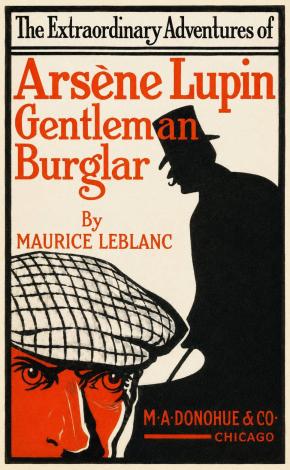
At night, he had been afflicted with terrible nightmares and haunted by weird visions of the scaffold.
crime
преследуемый странными видениями эшафота
Не способный избавиться от тревожных мысленных образов, связанных с казнью.
The Extraordinary Adventures of Arsène Lupin, Gentleman-Burglar
"The Extraordinary Adventures of Arsène Lupin, Gentleman-Burglar" by Maurice Leblanc is a collection of stories published in 1907. This debut collection introduces the charming and cunning Arsène Lupin, a master thief who outsmarts police and high society alike. Through nine tales of daring heists, clever disguises, and audacious escapes, Lupin proves himself an unmatched criminal genius. From shipboard robberies to prison breaks, he taunts authorities—including a famous English detective—while stealing priceless treasures with impeccable style and wit.