


Enter the word for search
singing
UK
/ˈsɪŋɪŋ/
US
/ˈsɪŋɪŋ/
Library
it made him sing in a heap upon his horse's neck
combat
вскрикнуть
Это образное литературное употребление: удар заставляет Ивена вскрикнуть или резко отреагировать от боли.
Four Arthurian Romances
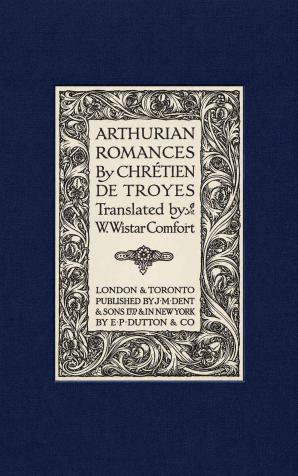
"Four Arthurian Romances" by Chrétien de Troyes is a collection of medieval narratives written in the latter part of the 12th century. This work encompasses the stories of four heroes: Erec, Cligés, Yvain, and Lancelot, each exploring the themes of chivalry, romance, and adventure intertwined with the sophisticated ideals of courtly love. The romances reflect the rich tapestry of Arthurian legend, showcasing knights undertaking noble quests and engaging in battles for honor and love. The opening of "Four Arthurian Romances" introduces the tale of Erec and Enide, beginning with King Arthur's court and the announcement of a hunt for the elusive White Stag, which involves a significant and potentially troublesome tradition. Erec, a prominent knight, is drawn into conflict after a dwarf and a knight insult and strike a damsel at the court. Following this assault, Erec seeks to avenge the honor of the lady, embarking on a quest that leads him through various perils and encounters. His journey sets the stage for themes of valor and love as Erec strives to prove himself worthy, ultimately leading to his romantic involvement with Enide and the promise of her marriage. The romance illustrates not just action and adventure, but also explores the emotional and social dynamics of courtly life in a quintessential chivalric manner.
Suppose that you once get across (but that cannot possibly come to pass, any more than one could hold in the winds and forbid them to blow, or keep the birds from singing, or re-enter one's mother's womb and be born again — all of which is as impossible as to empty the sea of its water); but even supposing that you got across, can you think and suppose that those two fierce lions that are chained on the other side will not kill you, and suck the blood from your veins, and eat your flesh and then gnaw your bones?
general
не давать птицам петь
не позволять птицам петь
Four Arthurian Romances
"Four Arthurian Romances" by Chrétien de Troyes is a collection of medieval narratives written in the latter part of the 12th century. This work encompasses the stories of four heroes: Erec, Cligés, Yvain, and Lancelot, each exploring the themes of chivalry, romance, and adventure intertwined with the sophisticated ideals of courtly love. The romances reflect the rich tapestry of Arthurian legend, showcasing knights undertaking noble quests and engaging in battles for honor and love. The opening of "Four Arthurian Romances" introduces the tale of Erec and Enide, beginning with King Arthur's court and the announcement of a hunt for the elusive White Stag, which involves a significant and potentially troublesome tradition. Erec, a prominent knight, is drawn into conflict after a dwarf and a knight insult and strike a damsel at the court. Following this assault, Erec seeks to avenge the honor of the lady, embarking on a quest that leads him through various perils and encounters. His journey sets the stage for themes of valor and love as Erec strives to prove himself worthy, ultimately leading to his romantic involvement with Enide and the promise of her marriage. The romance illustrates not just action and adventure, but also explores the emotional and social dynamics of courtly life in a quintessential chivalric manner.
Brand, 1897), pp. 442-448, has pointed out other striking allusions in the Latin "Navigatio S. Brandans" ( ed. Wahlund, Upsala, 1900) and elsewhere in Celtic legend to trees teeming with singing birds, in which the souls of the blessed are incorporated.
mythology
деревья, полные поющих птиц
Деревья, изображённые как наполненные или окружённые множеством поющих птиц.
Four Arthurian Romances
"Four Arthurian Romances" by Chrétien de Troyes is a collection of medieval narratives written in the latter part of the 12th century. This work encompasses the stories of four heroes: Erec, Cligés, Yvain, and Lancelot, each exploring the themes of chivalry, romance, and adventure intertwined with the sophisticated ideals of courtly love. The romances reflect the rich tapestry of Arthurian legend, showcasing knights undertaking noble quests and engaging in battles for honor and love. The opening of "Four Arthurian Romances" introduces the tale of Erec and Enide, beginning with King Arthur's court and the announcement of a hunt for the elusive White Stag, which involves a significant and potentially troublesome tradition. Erec, a prominent knight, is drawn into conflict after a dwarf and a knight insult and strike a damsel at the court. Following this assault, Erec seeks to avenge the honor of the lady, embarking on a quest that leads him through various perils and encounters. His journey sets the stage for themes of valor and love as Erec strives to prove himself worthy, ultimately leading to his romantic involvement with Enide and the promise of her marriage. The romance illustrates not just action and adventure, but also explores the emotional and social dynamics of courtly life in a quintessential chivalric manner.
From the hand of her chaplain he received the lady, Laudine de Landuc, daughter of Duke Laudunet, of whom they sing a lay.
literature
исполнять лэ
петь старинную песнь
Исполнять лэ — средневековую повествовательную песнь или поэму.
Four Arthurian Romances
"Four Arthurian Romances" by Chrétien de Troyes is a collection of medieval narratives written in the latter part of the 12th century. This work encompasses the stories of four heroes: Erec, Cligés, Yvain, and Lancelot, each exploring the themes of chivalry, romance, and adventure intertwined with the sophisticated ideals of courtly love. The romances reflect the rich tapestry of Arthurian legend, showcasing knights undertaking noble quests and engaging in battles for honor and love. The opening of "Four Arthurian Romances" introduces the tale of Erec and Enide, beginning with King Arthur's court and the announcement of a hunt for the elusive White Stag, which involves a significant and potentially troublesome tradition. Erec, a prominent knight, is drawn into conflict after a dwarf and a knight insult and strike a damsel at the court. Following this assault, Erec seeks to avenge the honor of the lady, embarking on a quest that leads him through various perils and encounters. His journey sets the stage for themes of valor and love as Erec strives to prove himself worthy, ultimately leading to his romantic involvement with Enide and the promise of her marriage. The romance illustrates not just action and adventure, but also explores the emotional and social dynamics of courtly life in a quintessential chivalric manner.
I, too, rejoiced in their joyousness, and listened to them until they had sung their service through, for I have never heard such happy song, nor do I think any one else will hear it, unless he goes to listen to what filled me with such joy and bliss that I was lost in rapture.
religion
допеть службу до конца
Полностью пропеть религиозную службу или собрание молитв.
Four Arthurian Romances
"Four Arthurian Romances" by Chrétien de Troyes is a collection of medieval narratives written in the latter part of the 12th century. This work encompasses the stories of four heroes: Erec, Cligés, Yvain, and Lancelot, each exploring the themes of chivalry, romance, and adventure intertwined with the sophisticated ideals of courtly love. The romances reflect the rich tapestry of Arthurian legend, showcasing knights undertaking noble quests and engaging in battles for honor and love. The opening of "Four Arthurian Romances" introduces the tale of Erec and Enide, beginning with King Arthur's court and the announcement of a hunt for the elusive White Stag, which involves a significant and potentially troublesome tradition. Erec, a prominent knight, is drawn into conflict after a dwarf and a knight insult and strike a damsel at the court. Following this assault, Erec seeks to avenge the honor of the lady, embarking on a quest that leads him through various perils and encounters. His journey sets the stage for themes of valor and love as Erec strives to prove himself worthy, ultimately leading to his romantic involvement with Enide and the promise of her marriage. The romance illustrates not just action and adventure, but also explores the emotional and social dynamics of courtly life in a quintessential chivalric manner.
37 The tree was all the more lovely then, for all the birds sang in harmony, yet the note of each was different, so that I never heard one singing another's note.
music
петь слаженно
Петь одновременно и согласованно, создавая приятное созвучие.
Four Arthurian Romances
"Four Arthurian Romances" by Chrétien de Troyes is a collection of medieval narratives written in the latter part of the 12th century. This work encompasses the stories of four heroes: Erec, Cligés, Yvain, and Lancelot, each exploring the themes of chivalry, romance, and adventure intertwined with the sophisticated ideals of courtly love. The romances reflect the rich tapestry of Arthurian legend, showcasing knights undertaking noble quests and engaging in battles for honor and love. The opening of "Four Arthurian Romances" introduces the tale of Erec and Enide, beginning with King Arthur's court and the announcement of a hunt for the elusive White Stag, which involves a significant and potentially troublesome tradition. Erec, a prominent knight, is drawn into conflict after a dwarf and a knight insult and strike a damsel at the court. Following this assault, Erec seeks to avenge the honor of the lady, embarking on a quest that leads him through various perils and encounters. His journey sets the stage for themes of valor and love as Erec strives to prove himself worthy, ultimately leading to his romantic involvement with Enide and the promise of her marriage. The romance illustrates not just action and adventure, but also explores the emotional and social dynamics of courtly life in a quintessential chivalric manner.
Even the maidens at their song leave off their singing and desist.
general
перестать петь
Прекратить петь.
Four Arthurian Romances
"Four Arthurian Romances" by Chrétien de Troyes is a collection of medieval narratives written in the latter part of the 12th century. This work encompasses the stories of four heroes: Erec, Cligés, Yvain, and Lancelot, each exploring the themes of chivalry, romance, and adventure intertwined with the sophisticated ideals of courtly love. The romances reflect the rich tapestry of Arthurian legend, showcasing knights undertaking noble quests and engaging in battles for honor and love. The opening of "Four Arthurian Romances" introduces the tale of Erec and Enide, beginning with King Arthur's court and the announcement of a hunt for the elusive White Stag, which involves a significant and potentially troublesome tradition. Erec, a prominent knight, is drawn into conflict after a dwarf and a knight insult and strike a damsel at the court. Following this assault, Erec seeks to avenge the honor of the lady, embarking on a quest that leads him through various perils and encounters. His journey sets the stage for themes of valor and love as Erec strives to prove himself worthy, ultimately leading to his romantic involvement with Enide and the promise of her marriage. The romance illustrates not just action and adventure, but also explores the emotional and social dynamics of courtly life in a quintessential chivalric manner.
My children, my little children, are singing to the sunshine, and thus they sing:
literature
петь солнцу
Поэтическое олицетворение: дети как будто обращают своё пение к солнцу.
The Souls of Black Folk
"The Souls of Black Folk" by W. E. B. Du Bois is a collection of essays published in 1903. This groundbreaking work explores the African-American experience through personal observations and social analysis. Du Bois introduces influential concepts like "double consciousness"—the experience of viewing oneself through both one's own eyes and those of a prejudiced society—and "the veil" that separates black and white Americans. Through essays on education, freedom, and justice, he examines the color line dividing races and argues for voting rights, quality education, and equal treatment.

Do the Sorrow Songs sing true?
literature
звучать правдиво
Правдиво и подлинно выражать действительность.
The Souls of Black Folk
"The Souls of Black Folk" by W. E. B. Du Bois is a collection of essays published in 1903. This groundbreaking work explores the African-American experience through personal observations and social analysis. Du Bois introduces influential concepts like "double consciousness"—the experience of viewing oneself through both one's own eyes and those of a prejudiced society—and "the veil" that separates black and white Americans. Through essays on education, freedom, and justice, he examines the color line dividing races and argues for voting rights, quality education, and equal treatment.
Here he formed a Sunday-school class of black children in 1866, and sang with them and taught them to sing. And then they taught him to sing, and when once the glory of the Jubilee songs passed into the soul of George L. White, he knew his life-work was to let those Negroes sing to the world as they had sung to him.
music
петь для всего мира
Исполнять песни для широкой, даже мировой аудитории.
The Souls of Black Folk
"The Souls of Black Folk" by W. E. B. Du Bois is a collection of essays published in 1903. This groundbreaking work explores the African-American experience through personal observations and social analysis. Du Bois introduces influential concepts like "double consciousness"—the experience of viewing oneself through both one's own eyes and those of a prejudiced society—and "the veil" that separates black and white Americans. Through essays on education, freedom, and justice, he examines the color line dividing races and argues for voting rights, quality education, and equal treatment.
Here he formed a Sunday-school class of black children in 1866, and sang with them and taught them to sing. And then they taught him to sing, and when once the glory of the Jubilee songs passed into the soul of George L. White, he knew his life-work was to let those Negroes sing to the world as they had sung to him.
music
учил их петь
Обучал их тому, как петь.
The Souls of Black Folk
"The Souls of Black Folk" by W. E. B. Du Bois is a collection of essays published in 1903. This groundbreaking work explores the African-American experience through personal observations and social analysis. Du Bois introduces influential concepts like "double consciousness"—the experience of viewing oneself through both one's own eyes and those of a prejudiced society—and "the veil" that separates black and white Americans. Through essays on education, freedom, and justice, he examines the color line dividing races and argues for voting rights, quality education, and equal treatment.
The innate love of harmony and beauty that set the ruder souls of his people a-dancing and a-singing raised but confusion and doubt in the soul of the black artist; for the beauty revealed to him was the soul-beauty of a race which his larger audience despised, and he could not articulate the message of another people.
music
танцуя и распевая
Архаичное литературное описание того, как люди начинают танцевать и петь.
The Souls of Black Folk
"The Souls of Black Folk" by W. E. B. Du Bois is a collection of essays published in 1903. This groundbreaking work explores the African-American experience through personal observations and social analysis. Du Bois introduces influential concepts like "double consciousness"—the experience of viewing oneself through both one's own eyes and those of a prejudiced society—and "the veil" that separates black and white Americans. Through essays on education, freedom, and justice, he examines the color line dividing races and argues for voting rights, quality education, and equal treatment.