


Enter the word for search
snowed
UK
/snəʊd/
US
/snoʊd/
Library
...the phenomena presented by the accumulations of snow and ice, in polar and mountainous regions...
glaciology
скопления снега и льда
Большие скопления снега и льда в определённом регионе, изучаемые здесь с точки зрения их воздействия на ландшафт.
The Advance of Science in the Last Half-Century
"The Advance of Science in the Last Half-Century" by Thomas Henry Huxley is a scientific publication written in the late 19th century. The work examines the significant advancements in physical science, technology, and their impact on civilization over the past fifty years, showcasing how these developments have transformed human life and understanding. Huxley aims to provide a comprehensive overview of scientific progress and its implications for society. The opening of this publication sets the stage by reflecting upon the remarkable increase in industrial production and the pivotal role of physical science during the Victorian era. Huxley outlines how machinery and improved techniques have elevated living standards and mitigated suffering from diseases and scarcity. He discusses the historical context of scientific inquiry, highlighting the evolution of natural knowledge since ancient Greece and the importance of hypotheses in driving scientific progress. The beginning emphasizes the interconnectedness of scientific advancements with industrial growth and societal changes, asserting that the pursuit of knowledge has been, and should be, an intrinsic motivation beyond mere utilitarian outcomes.

To windward, the sprays fell from the height above noticed in the most wonderful cascades, and streamed down the walls of the building in froth as white as snow.
general
белый как снег
Используется, чтобы подчеркнуть, что что-либо очень белое, сравнивая его со снегом.
Records of a Family of Engineers
"Records of a Family of Engineers" by Robert Louis Stevenson is a historical account written in the early 20th century. The book delves into the lineage of the Stevenson family, particularly focusing on their contributions as engineers and their experiences across generations in Scotland, intertwining personal anecdotes with broader historical narratives. The opening of the book introduces the reader to the Stevenson family tree, tracing their surname's evolution and historical context from the 13th century onward. It reveals a lineage that has faced both successes and tragedies, with a particular focus on the early lives of James Stevenson, his brother Hugh, and their heir, Robert Stevenson. The text sketches their aspirations, marriages, and struggles, ultimately painting a portrait of a family deeply rooted in the engineering profession, set against the backdrop of the rugged Scottish landscape and societal changes of their time. This initial section not only captures the essence of their individual experiences but sets the stage for further exploration of the family's lasting impact on engineering.

During these twenty-four hours the wind was from the south, blowing fresh breezes, accompanied with showers of snow.
weather
снегопады
Кратковременные, периодически повторяющиеся снегопады.
Records of a Family of Engineers
"Records of a Family of Engineers" by Robert Louis Stevenson is a historical account written in the early 20th century. The book delves into the lineage of the Stevenson family, particularly focusing on their contributions as engineers and their experiences across generations in Scotland, intertwining personal anecdotes with broader historical narratives. The opening of the book introduces the reader to the Stevenson family tree, tracing their surname's evolution and historical context from the 13th century onward. It reveals a lineage that has faced both successes and tragedies, with a particular focus on the early lives of James Stevenson, his brother Hugh, and their heir, Robert Stevenson. The text sketches their aspirations, marriages, and struggles, ultimately painting a portrait of a family deeply rooted in the engineering profession, set against the backdrop of the rugged Scottish landscape and societal changes of their time. This initial section not only captures the essence of their individual experiences but sets the stage for further exploration of the family's lasting impact on engineering.
It is not a transcription of Snow’s map and contains no real patient data.
history
Сноу
Притяжательная форма относится к карте, связанной со Сноу; имя автора в тексте не указано.
A fictional map-reading comparison
Bounded source dossier: facts, provenance and limits. Any fictional data are labelled. The HTML alternative of a generated sheet is the same material.
Snow investigated such exceptions
history
Сноу
Относится к Джону Сноу, историческому исследователю, связанному с этой вспышкой и насосом.
The Map Is the Beginning of the Argument
Explain the historical map and use the supplied comparison to correct a misleading count-based claim.
There is not a flake of snow on him; but all his armour is blacker far than the cloak of any monk or prior.
weather
на нём нет ни единой снежинки
На описываемом человеке совсем нет снега.
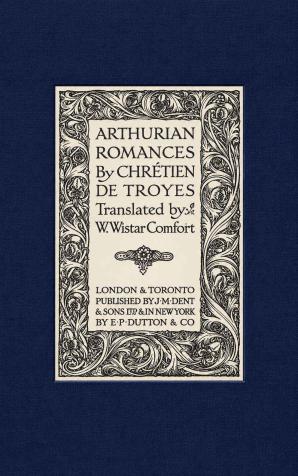
Four Arthurian Romances
"Four Arthurian Romances" by Chrétien de Troyes is a collection of medieval narratives written in the latter part of the 12th century. This work encompasses the stories of four heroes: Erec, Cligés, Yvain, and Lancelot, each exploring the themes of chivalry, romance, and adventure intertwined with the sophisticated ideals of courtly love. The romances reflect the rich tapestry of Arthurian legend, showcasing knights undertaking noble quests and engaging in battles for honor and love. The opening of "Four Arthurian Romances" introduces the tale of Erec and Enide, beginning with King Arthur's court and the announcement of a hunt for the elusive White Stag, which involves a significant and potentially troublesome tradition. Erec, a prominent knight, is drawn into conflict after a dwarf and a knight insult and strike a damsel at the court. Following this assault, Erec seeks to avenge the honor of the lady, embarking on a quest that leads him through various perils and encounters. His journey sets the stage for themes of valor and love as Erec strives to prove himself worthy, ultimately leading to his romantic involvement with Enide and the promise of her marriage. The romance illustrates not just action and adventure, but also explores the emotional and social dynamics of courtly life in a quintessential chivalric manner.
All his armour was white, and the steed, and the harness, too, was all whiter than any snow.
chivalry
белее любого снега
Литературное сравнение, подчёркивающее исключительную белизну.
Four Arthurian Romances
"Four Arthurian Romances" by Chrétien de Troyes is a collection of medieval narratives written in the latter part of the 12th century. This work encompasses the stories of four heroes: Erec, Cligés, Yvain, and Lancelot, each exploring the themes of chivalry, romance, and adventure intertwined with the sophisticated ideals of courtly love. The romances reflect the rich tapestry of Arthurian legend, showcasing knights undertaking noble quests and engaging in battles for honor and love. The opening of "Four Arthurian Romances" introduces the tale of Erec and Enide, beginning with King Arthur's court and the announcement of a hunt for the elusive White Stag, which involves a significant and potentially troublesome tradition. Erec, a prominent knight, is drawn into conflict after a dwarf and a knight insult and strike a damsel at the court. Following this assault, Erec seeks to avenge the honor of the lady, embarking on a quest that leads him through various perils and encounters. His journey sets the stage for themes of valor and love as Erec strives to prove himself worthy, ultimately leading to his romantic involvement with Enide and the promise of her marriage. The romance illustrates not just action and adventure, but also explores the emotional and social dynamics of courtly life in a quintessential chivalric manner.
Between the border of her gown and the buckle at the parted throat, I saw her bosom left exposed and whiter than new-fallen snow.
anatomy
белее свежевыпавшего снега
Поэтическое сравнение, описывающее что-либо как необычайно белое.
Four Arthurian Romances
"Four Arthurian Romances" by Chrétien de Troyes is a collection of medieval narratives written in the latter part of the 12th century. This work encompasses the stories of four heroes: Erec, Cligés, Yvain, and Lancelot, each exploring the themes of chivalry, romance, and adventure intertwined with the sophisticated ideals of courtly love. The romances reflect the rich tapestry of Arthurian legend, showcasing knights undertaking noble quests and engaging in battles for honor and love. The opening of "Four Arthurian Romances" introduces the tale of Erec and Enide, beginning with King Arthur's court and the announcement of a hunt for the elusive White Stag, which involves a significant and potentially troublesome tradition. Erec, a prominent knight, is drawn into conflict after a dwarf and a knight insult and strike a damsel at the court. Following this assault, Erec seeks to avenge the honor of the lady, embarking on a quest that leads him through various perils and encounters. His journey sets the stage for themes of valor and love as Erec strives to prove himself worthy, ultimately leading to his romantic involvement with Enide and the promise of her marriage. The romance illustrates not just action and adventure, but also explores the emotional and social dynamics of courtly life in a quintessential chivalric manner.
Because of their great age, their heads were all as white as snow, and their beards reached down to their girdles.
general
белый как снег
Совершенно белый; снег используется как эталон цвета.
Four Arthurian Romances
"Four Arthurian Romances" by Chrétien de Troyes is a collection of medieval narratives written in the latter part of the 12th century. This work encompasses the stories of four heroes: Erec, Cligés, Yvain, and Lancelot, each exploring the themes of chivalry, romance, and adventure intertwined with the sophisticated ideals of courtly love. The romances reflect the rich tapestry of Arthurian legend, showcasing knights undertaking noble quests and engaging in battles for honor and love. The opening of "Four Arthurian Romances" introduces the tale of Erec and Enide, beginning with King Arthur's court and the announcement of a hunt for the elusive White Stag, which involves a significant and potentially troublesome tradition. Erec, a prominent knight, is drawn into conflict after a dwarf and a knight insult and strike a damsel at the court. Following this assault, Erec seeks to avenge the honor of the lady, embarking on a quest that leads him through various perils and encounters. His journey sets the stage for themes of valor and love as Erec strives to prove himself worthy, ultimately leading to his romantic involvement with Enide and the promise of her marriage. The romance illustrates not just action and adventure, but also explores the emotional and social dynamics of courtly life in a quintessential chivalric manner.
Somewhere behind Red Lion Court, however, he noticed a place where some energetic citizen had cleared away the snow for a space of about twenty yards, leaving the wet, glistening cobble-stones.
weather
расчистить снег
Удалить снег с какого-либо участка.
The Man Who Was Thursday: A Nightmare
"The Man Who Was Thursday: A Nightmare" by G. K. Chesterton is a philosophical novel with elements of adventure and satire, written in the late 19th century. The story revolves around the enigmatic character Gabriel Syme, a police detective who infiltrates a group of anarchists in London to uncover their plans and identities. As the narrative unfolds, it explores complex themes of order, chaos, and the nature of evil, often through witty dialogue and absurd situations that challenge conventional thinking. At the start of the novel, readers are introduced to the suburb of Saffron Park, with its colorful and eccentric inhabitants, primarily poets and artists. One evening, during a striking sunset, the anarchistic poet Lucian Gregory meets Gabriel Syme, who surprises him with bold arguments in favor of law and order, challenging Gregory's views. Their conversation escalates into a duel of ideologies when Gregory reveals his deep commitment to anarchism, which leads to a confrontation between the two. In a twist of fate, Syme's true identity as a detective is disclosed, and as he joins the anarchists disguised as one of them, the stage is set for a profound exploration of the philosophical conflict between chaos and structure in society.

He strolled away through the dancing snow, turned up two or three streets, down through two or three others, and entered a small Soho restaurant for lunch.
weather
танцующий снег
Снег, движущийся или кружащийся так, будто он танцует; яркий литературный образ.
The Man Who Was Thursday: A Nightmare
"The Man Who Was Thursday: A Nightmare" by G. K. Chesterton is a philosophical novel with elements of adventure and satire, written in the late 19th century. The story revolves around the enigmatic character Gabriel Syme, a police detective who infiltrates a group of anarchists in London to uncover their plans and identities. As the narrative unfolds, it explores complex themes of order, chaos, and the nature of evil, often through witty dialogue and absurd situations that challenge conventional thinking. At the start of the novel, readers are introduced to the suburb of Saffron Park, with its colorful and eccentric inhabitants, primarily poets and artists. One evening, during a striking sunset, the anarchistic poet Lucian Gregory meets Gabriel Syme, who surprises him with bold arguments in favor of law and order, challenging Gregory's views. Their conversation escalates into a duel of ideologies when Gregory reveals his deep commitment to anarchism, which leads to a confrontation between the two. In a twist of fate, Syme's true identity as a detective is disclosed, and as he joins the anarchists disguised as one of them, the stage is set for a profound exploration of the philosophical conflict between chaos and structure in society.
Turning sharply, he saw rising gradually higher and higher up the omnibus steps a top hat soiled and dripping with snow, and under the shadow of its brim the short-sighted face and shaky shoulders of Professor de Worms.
weather
покрытый тающим снегом
Покрытый тающим снегом, с которого стекает вода.
The Man Who Was Thursday: A Nightmare
"The Man Who Was Thursday: A Nightmare" by G. K. Chesterton is a philosophical novel with elements of adventure and satire, written in the late 19th century. The story revolves around the enigmatic character Gabriel Syme, a police detective who infiltrates a group of anarchists in London to uncover their plans and identities. As the narrative unfolds, it explores complex themes of order, chaos, and the nature of evil, often through witty dialogue and absurd situations that challenge conventional thinking. At the start of the novel, readers are introduced to the suburb of Saffron Park, with its colorful and eccentric inhabitants, primarily poets and artists. One evening, during a striking sunset, the anarchistic poet Lucian Gregory meets Gabriel Syme, who surprises him with bold arguments in favor of law and order, challenging Gregory's views. Their conversation escalates into a duel of ideologies when Gregory reveals his deep commitment to anarchism, which leads to a confrontation between the two. In a twist of fate, Syme's true identity as a detective is disclosed, and as he joins the anarchists disguised as one of them, the stage is set for a profound exploration of the philosophical conflict between chaos and structure in society.