


Enter the word for search
telegraph
UK
/ˈtɛlɪɡrɑːf/
US
/ˈtɛlɪɡræf/
Library
To meet the requirements, we put in a telegraph line, having learned, as well as we are able, how they are made and operated. +6
communication
телеграф
телеграфный
Здесь telegraph обозначает технологию связи, к которой относится звуковой аппарат.
Electricity for Boys
"Electricity for Boys" by James Slough Zerbe is a practical guide written in the early 20th century. This work falls within the category of educational publications aimed at teaching young boys the fundamental concepts and applications of electricity through hands-on experiments. It emphasizes the importance of practical experience and experimentation over theoretical knowledge alone. The beginning of the text introduces the fascinating world of electricity, stressing the value of learning through practical application while experimenting with various tools and techniques. Zerbe explains that electricity can be understood better when boys engage directly with the material rather than through rote memorization of its principles. He lays out the book's fundamental approach to education, which involves experimenting, building, and discovering the principles that govern electrical phenomena. This foundational philosophy sets the stage for the more detailed chapters on specific electrical concepts and devices, reflecting a broader goal of fostering critical thinking and hands-on learning among young readers.

Telegraph Sounder +3
telegraphy
телеграфный звуковой аппарат
телеграфный приёмный аппарат
телеграфный звуковой сигнализатор
телеграфный звуковой приёмник
Устройство для приёма телеграфных сигналов на слух.
Electricity for Boys
"Electricity for Boys" by James Slough Zerbe is a practical guide written in the early 20th century. This work falls within the category of educational publications aimed at teaching young boys the fundamental concepts and applications of electricity through hands-on experiments. It emphasizes the importance of practical experience and experimentation over theoretical knowledge alone. The beginning of the text introduces the fascinating world of electricity, stressing the value of learning through practical application while experimenting with various tools and techniques. Zerbe explains that electricity can be understood better when boys engage directly with the material rather than through rote memorization of its principles. He lays out the book's fundamental approach to education, which involves experimenting, building, and discovering the principles that govern electrical phenomena. This foundational philosophy sets the stage for the more detailed chapters on specific electrical concepts and devices, reflecting a broader goal of fostering critical thinking and hands-on learning among young readers.
The first electric telegraph was once considered an impossibility. +2
communication
телеграф
Телеграф позволяет передавать в отдалённые порты сведения об отплытии судна.
Men of Invention and Industry
"Men of Invention and Industry" by Samuel Smiles is a historical account likely written in the late 19th century. The book examines the lives and contributions of various inventors and industrialists, highlighting their impact on society, particularly within British industry, with an emphasis on significant advancements such as shipbuilding and steam power. The opening of the book sets the stage with a discussion of the early history of English shipbuilding, beginning with the figure of Phineas Pett. It explores the humble beginnings of the British navy and the advancements made under historical figures like Henry VIII. Various early challenges in shipbuilding are elucidated, alongside the importance of foreign expertise in developing England’s maritime capabilities. The narrative illustrates a shift from a heavy reliance on importing goods and expertise to a burgeoning English independence in shipbuilding and trade, paving the way for a stronger national identity tied to maritime innovation.

That bond is the wireless telegraph +2
technology
телеграф
Телеграф используется для отправки срочного сообщения полиции до прибытия поезда.
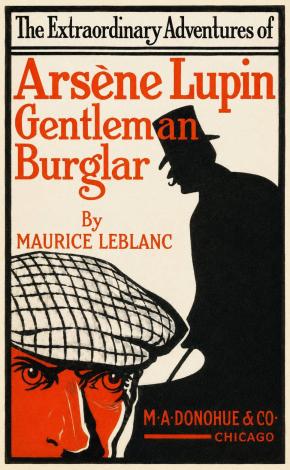
The Extraordinary Adventures of Arsène Lupin, Gentleman-Burglar
"The Extraordinary Adventures of Arsène Lupin, Gentleman-Burglar" by Maurice Leblanc is a collection of stories published in 1907. This debut collection introduces the charming and cunning Arsène Lupin, a master thief who outsmarts police and high society alike. Through nine tales of daring heists, clever disguises, and audacious escapes, Lupin proves himself an unmatched criminal genius. From shipboard robberies to prison breaks, he taunts authorities—including a famous English detective—while stealing priceless treasures with impeccable style and wit.
A telegraph circuit requires three pieces of mechanism at each station. +1
telegraphy
телеграфная цепь
Электрическая цепь, используемая для передачи сигналов в телеграфной системе.
Electricity for Boys
"Electricity for Boys" by James Slough Zerbe is a practical guide written in the early 20th century. This work falls within the category of educational publications aimed at teaching young boys the fundamental concepts and applications of electricity through hands-on experiments. It emphasizes the importance of practical experience and experimentation over theoretical knowledge alone. The beginning of the text introduces the fascinating world of electricity, stressing the value of learning through practical application while experimenting with various tools and techniques. Zerbe explains that electricity can be understood better when boys engage directly with the material rather than through rote memorization of its principles. He lays out the book's fundamental approach to education, which involves experimenting, building, and discovering the principles that govern electrical phenomena. This foundational philosophy sets the stage for the more detailed chapters on specific electrical concepts and devices, reflecting a broader goal of fostering critical thinking and hands-on learning among young readers.
I will telegraph for two of my men to help me. +1
communication
телеграфировать
Глагол означает отправить письменное сообщение по телеграфу — исторической системе связи.
The Extraordinary Adventures of Arsène Lupin, Gentleman-Burglar
"The Extraordinary Adventures of Arsène Lupin, Gentleman-Burglar" by Maurice Leblanc is a collection of stories published in 1907. This debut collection introduces the charming and cunning Arsène Lupin, a master thief who outsmarts police and high society alike. Through nine tales of daring heists, clever disguises, and audacious escapes, Lupin proves himself an unmatched criminal genius. From shipboard robberies to prison breaks, he taunts authorities—including a famous English detective—while stealing priceless treasures with impeccable style and wit.
That bond is the wireless telegraph, by means of which we receive news in the most mysterious manner. +1
technology
беспроводной телеграф
Система передачи телеграфных сообщений без проводов с помощью радиосигналов.
The Extraordinary Adventures of Arsène Lupin, Gentleman-Burglar
"The Extraordinary Adventures of Arsène Lupin, Gentleman-Burglar" by Maurice Leblanc is a collection of stories published in 1907. This debut collection introduces the charming and cunning Arsène Lupin, a master thief who outsmarts police and high society alike. Through nine tales of daring heists, clever disguises, and audacious escapes, Lupin proves himself an unmatched criminal genius. From shipboard robberies to prison breaks, he taunts authorities—including a famous English detective—while stealing priceless treasures with impeccable style and wit.
Technological innovations in the mid to late nineteenth century facilitated transatlantic immigration: railway, steamships, and the telegraph.
technology
телеграф
Технология связи XIX века, перечисленная наряду с новшествами в транспорте.
European Theatre Migrants in the Age of Empire
This collection examines the journeys and working lives of European theatre practitioners during the age of empire. Historical case studies explore migration, performance, cultural exchange and the political conditions shaping theatrical careers across national borders.

Telegraph, July 25, 6.
journalism
«Телеграф»
Указано как название периодического издания, однако ссылка не содержит достаточно сведений для более точного определения издания.
European Theatre Migrants in the Age of Empire
This collection examines the journeys and working lives of European theatre practitioners during the age of empire. Historical case studies explore migration, performance, cultural exchange and the political conditions shaping theatrical careers across national borders.
station 2 telegraphing to station 1
telegraph
телеграфировать
Описывает передачу сообщения со станции 2 на станцию 1 по телеграфу.
Electricity for Boys
"Electricity for Boys" by James Slough Zerbe is a practical guide written in the early 20th century. This work falls within the category of educational publications aimed at teaching young boys the fundamental concepts and applications of electricity through hands-on experiments. It emphasizes the importance of practical experience and experimentation over theoretical knowledge alone. The beginning of the text introduces the fascinating world of electricity, stressing the value of learning through practical application while experimenting with various tools and techniques. Zerbe explains that electricity can be understood better when boys engage directly with the material rather than through rote memorization of its principles. He lays out the book's fundamental approach to education, which involves experimenting, building, and discovering the principles that govern electrical phenomena. This foundational philosophy sets the stage for the more detailed chapters on specific electrical concepts and devices, reflecting a broader goal of fostering critical thinking and hands-on learning among young readers.
The induction coil has one terminal of the primary coil connected up by a wire (B) with one post of a telegraph key, and the other post of the key has a wire connection (C), with one side of a storage battery.
telegraphy
телеграфный ключ
Ручной переключатель для передачи электрических сигналов в телеграфной цепи.
Electricity for Boys
"Electricity for Boys" by James Slough Zerbe is a practical guide written in the early 20th century. This work falls within the category of educational publications aimed at teaching young boys the fundamental concepts and applications of electricity through hands-on experiments. It emphasizes the importance of practical experience and experimentation over theoretical knowledge alone. The beginning of the text introduces the fascinating world of electricity, stressing the value of learning through practical application while experimenting with various tools and techniques. Zerbe explains that electricity can be understood better when boys engage directly with the material rather than through rote memorization of its principles. He lays out the book's fundamental approach to education, which involves experimenting, building, and discovering the principles that govern electrical phenomena. This foundational philosophy sets the stage for the more detailed chapters on specific electrical concepts and devices, reflecting a broader goal of fostering critical thinking and hands-on learning among young readers.
Telegraph Sending Key
telegraphy
телеграфный ключ
Телеграфный ключ, используемый для передачи сигналов.
Electricity for Boys
"Electricity for Boys" by James Slough Zerbe is a practical guide written in the early 20th century. This work falls within the category of educational publications aimed at teaching young boys the fundamental concepts and applications of electricity through hands-on experiments. It emphasizes the importance of practical experience and experimentation over theoretical knowledge alone. The beginning of the text introduces the fascinating world of electricity, stressing the value of learning through practical application while experimenting with various tools and techniques. Zerbe explains that electricity can be understood better when boys engage directly with the material rather than through rote memorization of its principles. He lays out the book's fundamental approach to education, which involves experimenting, building, and discovering the principles that govern electrical phenomena. This foundational philosophy sets the stage for the more detailed chapters on specific electrical concepts and devices, reflecting a broader goal of fostering critical thinking and hands-on learning among young readers.