


Enter the word for search
temples
UK
/ˈtɛmpəlz/
US
/ˈtɛmpəlz/
Library
beside his temple +4
anatomy
висок
виски
Виски — это две области по бокам головы.
Four Arthurian Romances
"Four Arthurian Romances" by Chrétien de Troyes is a collection of medieval narratives written in the latter part of the 12th century. This work encompasses the stories of four heroes: Erec, Cligés, Yvain, and Lancelot, each exploring the themes of chivalry, romance, and adventure intertwined with the sophisticated ideals of courtly love. The romances reflect the rich tapestry of Arthurian legend, showcasing knights undertaking noble quests and engaging in battles for honor and love. The opening of "Four Arthurian Romances" introduces the tale of Erec and Enide, beginning with King Arthur's court and the announcement of a hunt for the elusive White Stag, which involves a significant and potentially troublesome tradition. Erec, a prominent knight, is drawn into conflict after a dwarf and a knight insult and strike a damsel at the court. Following this assault, Erec seeks to avenge the honor of the lady, embarking on a quest that leads him through various perils and encounters. His journey sets the stage for themes of valor and love as Erec strives to prove himself worthy, ultimately leading to his romantic involvement with Enide and the promise of her marriage. The romance illustrates not just action and adventure, but also explores the emotional and social dynamics of courtly life in a quintessential chivalric manner.

In London I did poojah to the big temple by the river for the sake of the God within. +3
religion
храм
Государственный храм служит местом проведения религиозного обряда.
The Bridge-Builders
"The Bridge-Builders" by Rudyard Kipling is a short story written in the early 20th century. This narrative is steeped in the themes of engineering, resilience, and the interplay between human endeavor and nature, as it focuses on the arduous construction of a bridge over the Ganges River in India. The story addresses the challenges faced by its protagonist, Findlayson, and explores the relationship between the builders and the powerful forces of nature symbolized by the river. The tale revolves around Findlayson, the chief engineer overseeing the construction of the Kashi Bridge, and his assistant Hitchcock, as they confront an impending flood that threatens their work. Together, they navigate physical and bureaucratic challenges while managing a diverse team of workers, including Peroo, a skilled Lascar who plays a crucial role in the project's success. As the floodwaters rise, tensions mount, and the characters grapple with their fears and ambitions, leading to a climactic moment in which the bridge's fate hangs in the balance. This intersection of human skill and the unpredictable might of nature provides a rich backdrop for Kipling’s exploration of duty, sacrifice, and the enduring nature of human achievement amidst adversity.

numerous Buddhist temples
religion
храм
Обозначает буддийские места поклонения в историческом городе.
The AI City
This book develops the concept of an artificial intelligence city and examines its theoretical foundations, technologies and applications. Practical cases explore how urban planning and intelligent systems can support city development, services and management.

Bayadères was a European neologism to define female temple dancers of India.
dance
храмовые танцовщицы
Женщины, исполняющие танцы при храме; здесь так обозначены артистки из Индии.
European Theatre Migrants in the Age of Empire
This collection examines the journeys and working lives of European theatre practitioners during the age of empire. Historical case studies explore migration, performance, cultural exchange and the political conditions shaping theatrical careers across national borders.

I creep from temple to temple in the North, where they worship one God and His Prophet; and presently my image is alone within their shrines.
religion
из храма в храм
Перемещаться из одного храма в другой.
The Bridge-Builders
"The Bridge-Builders" by Rudyard Kipling is a short story written in the early 20th century. This narrative is steeped in the themes of engineering, resilience, and the interplay between human endeavor and nature, as it focuses on the arduous construction of a bridge over the Ganges River in India. The story addresses the challenges faced by its protagonist, Findlayson, and explores the relationship between the builders and the powerful forces of nature symbolized by the river. The tale revolves around Findlayson, the chief engineer overseeing the construction of the Kashi Bridge, and his assistant Hitchcock, as they confront an impending flood that threatens their work. Together, they navigate physical and bureaucratic challenges while managing a diverse team of workers, including Peroo, a skilled Lascar who plays a crucial role in the project's success. As the floodwaters rise, tensions mount, and the characters grapple with their fears and ambitions, leading to a climactic moment in which the bridge's fate hangs in the balance. This intersection of human skill and the unpredictable might of nature provides a rich backdrop for Kipling’s exploration of duty, sacrifice, and the enduring nature of human achievement amidst adversity.
“Let me go to the temple, and I will pray there.”
general
Позволь мне пойти в храм.
Просьба разрешить куда-либо пойти.
The Bridge-Builders
"The Bridge-Builders" by Rudyard Kipling is a short story written in the early 20th century. This narrative is steeped in the themes of engineering, resilience, and the interplay between human endeavor and nature, as it focuses on the arduous construction of a bridge over the Ganges River in India. The story addresses the challenges faced by its protagonist, Findlayson, and explores the relationship between the builders and the powerful forces of nature symbolized by the river. The tale revolves around Findlayson, the chief engineer overseeing the construction of the Kashi Bridge, and his assistant Hitchcock, as they confront an impending flood that threatens their work. Together, they navigate physical and bureaucratic challenges while managing a diverse team of workers, including Peroo, a skilled Lascar who plays a crucial role in the project's success. As the floodwaters rise, tensions mount, and the characters grapple with their fears and ambitions, leading to a climactic moment in which the bridge's fate hangs in the balance. This intersection of human skill and the unpredictable might of nature provides a rich backdrop for Kipling’s exploration of duty, sacrifice, and the enduring nature of human achievement amidst adversity.
The lady opens a case of hers, and, taking out a box, gives it to the damsel, and charges her not to be too prodigal in its use: she should rub only his temples with it, for there is no use of applying it elsewhere; she should anoint only his temples with it, and the remainder she should carefully keep, for there is nothing the matter with him except in his brain.
medicine
смазывать этим только его виски
Наносить мазь только на виски.
Four Arthurian Romances
"Four Arthurian Romances" by Chrétien de Troyes is a collection of medieval narratives written in the latter part of the 12th century. This work encompasses the stories of four heroes: Erec, Cligés, Yvain, and Lancelot, each exploring the themes of chivalry, romance, and adventure intertwined with the sophisticated ideals of courtly love. The romances reflect the rich tapestry of Arthurian legend, showcasing knights undertaking noble quests and engaging in battles for honor and love. The opening of "Four Arthurian Romances" introduces the tale of Erec and Enide, beginning with King Arthur's court and the announcement of a hunt for the elusive White Stag, which involves a significant and potentially troublesome tradition. Erec, a prominent knight, is drawn into conflict after a dwarf and a knight insult and strike a damsel at the court. Following this assault, Erec seeks to avenge the honor of the lady, embarking on a quest that leads him through various perils and encounters. His journey sets the stage for themes of valor and love as Erec strives to prove himself worthy, ultimately leading to his romantic involvement with Enide and the promise of her marriage. The romance illustrates not just action and adventure, but also explores the emotional and social dynamics of courtly life in a quintessential chivalric manner.
The lady opens a case of hers, and, taking out a box, gives it to the damsel, and charges her not to be too prodigal in its use: she should rub only his temples with it, for there is no use of applying it elsewhere; she should anoint only his temples with it, and the remainder she should carefully keep, for there is nothing the matter with him except in his brain.
medicine
растирать ему только виски
Растирать только виски.
Four Arthurian Romances
"Four Arthurian Romances" by Chrétien de Troyes is a collection of medieval narratives written in the latter part of the 12th century. This work encompasses the stories of four heroes: Erec, Cligés, Yvain, and Lancelot, each exploring the themes of chivalry, romance, and adventure intertwined with the sophisticated ideals of courtly love. The romances reflect the rich tapestry of Arthurian legend, showcasing knights undertaking noble quests and engaging in battles for honor and love. The opening of "Four Arthurian Romances" introduces the tale of Erec and Enide, beginning with King Arthur's court and the announcement of a hunt for the elusive White Stag, which involves a significant and potentially troublesome tradition. Erec, a prominent knight, is drawn into conflict after a dwarf and a knight insult and strike a damsel at the court. Following this assault, Erec seeks to avenge the honor of the lady, embarking on a quest that leads him through various perils and encounters. His journey sets the stage for themes of valor and love as Erec strives to prove himself worthy, ultimately leading to his romantic involvement with Enide and the promise of her marriage. The romance illustrates not just action and adventure, but also explores the emotional and social dynamics of courtly life in a quintessential chivalric manner.
She rubbed his temples and forehead, and his whole body down to the ankles.
medicine
растирать виски
Массировать боковые части головы, обычно чтобы облегчить боль или напряжение.
Four Arthurian Romances
"Four Arthurian Romances" by Chrétien de Troyes is a collection of medieval narratives written in the latter part of the 12th century. This work encompasses the stories of four heroes: Erec, Cligés, Yvain, and Lancelot, each exploring the themes of chivalry, romance, and adventure intertwined with the sophisticated ideals of courtly love. The romances reflect the rich tapestry of Arthurian legend, showcasing knights undertaking noble quests and engaging in battles for honor and love. The opening of "Four Arthurian Romances" introduces the tale of Erec and Enide, beginning with King Arthur's court and the announcement of a hunt for the elusive White Stag, which involves a significant and potentially troublesome tradition. Erec, a prominent knight, is drawn into conflict after a dwarf and a knight insult and strike a damsel at the court. Following this assault, Erec seeks to avenge the honor of the lady, embarking on a quest that leads him through various perils and encounters. His journey sets the stage for themes of valor and love as Erec strives to prove himself worthy, ultimately leading to his romantic involvement with Enide and the promise of her marriage. The romance illustrates not just action and adventure, but also explores the emotional and social dynamics of courtly life in a quintessential chivalric manner.
My temples throbbed; I was almost strangled.
anatomy
виски
В этом предложении temples означает виски — боковые части лба, где рассказчик чувствует пульсацию.
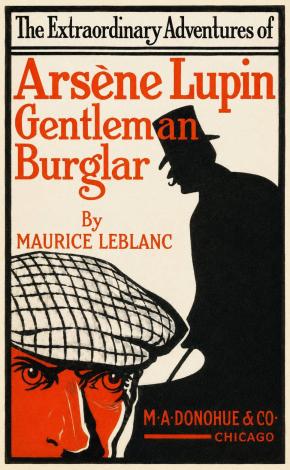
The Extraordinary Adventures of Arsène Lupin, Gentleman-Burglar
"The Extraordinary Adventures of Arsène Lupin, Gentleman-Burglar" by Maurice Leblanc is a collection of stories published in 1907. This debut collection introduces the charming and cunning Arsène Lupin, a master thief who outsmarts police and high society alike. Through nine tales of daring heists, clever disguises, and audacious escapes, Lupin proves himself an unmatched criminal genius. From shipboard robberies to prison breaks, he taunts authorities—including a famous English detective—while stealing priceless treasures with impeccable style and wit.
My temples throbbed; I was almost strangled.
medicine
виски пульсировали
Области по бокам головы болезненно пульсировали, обычно из-за головной боли или сильного напряжения.
The Extraordinary Adventures of Arsène Lupin, Gentleman-Burglar
"The Extraordinary Adventures of Arsène Lupin, Gentleman-Burglar" by Maurice Leblanc is a collection of stories published in 1907. This debut collection introduces the charming and cunning Arsène Lupin, a master thief who outsmarts police and high society alike. Through nine tales of daring heists, clever disguises, and audacious escapes, Lupin proves himself an unmatched criminal genius. From shipboard robberies to prison breaks, he taunts authorities—including a famous English detective—while stealing priceless treasures with impeccable style and wit.