


Enter the word for search
wield
UK
/wiːld/
US
/wiːld/
Library
Sweat, and the blood which flows down with it, dim their eyes, so that they can hardly see a thing; and very often they missed their blows, like men who did not see to wield their swords upon each other. +3
combat
manier
«Wield» fait généralement référence au fait d’utiliser habilement une arme, un outil ou un pouvoir.
Four Arthurian Romances
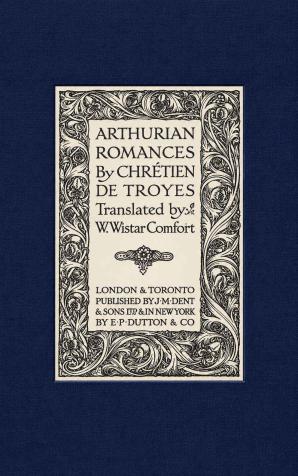
"Four Arthurian Romances" by Chrétien de Troyes is a collection of medieval narratives written in the latter part of the 12th century. This work encompasses the stories of four heroes: Erec, Cligés, Yvain, and Lancelot, each exploring the themes of chivalry, romance, and adventure intertwined with the sophisticated ideals of courtly love. The romances reflect the rich tapestry of Arthurian legend, showcasing knights undertaking noble quests and engaging in battles for honor and love. The opening of "Four Arthurian Romances" introduces the tale of Erec and Enide, beginning with King Arthur's court and the announcement of a hunt for the elusive White Stag, which involves a significant and potentially troublesome tradition. Erec, a prominent knight, is drawn into conflict after a dwarf and a knight insult and strike a damsel at the court. Following this assault, Erec seeks to avenge the honor of the lady, embarking on a quest that leads him through various perils and encounters. His journey sets the stage for themes of valor and love as Erec strives to prove himself worthy, ultimately leading to his romantic involvement with Enide and the promise of her marriage. The romance illustrates not just action and adventure, but also explores the emotional and social dynamics of courtly life in a quintessential chivalric manner.
Other components wield decisive influence over the spatial layout structure of the city. +1
general
exercer
Employé au sens figuré dans « exercer une influence » : les composants urbains mentionnés façonnent fortement la configuration de la ville.
The AI City
This book develops the concept of an artificial intelligence city and examines its theoretical foundations, technologies and applications. Practical cases explore how urban planning and intelligent systems can support city development, services and management.

The hallmark feature of the industrial city lies in its meticulous and stringent functional zoning, in which industrial areas, transportation hubs, warehouse facilities, and other components wield decisive influence over the spatial layout structure of the city.
urbanism
exercer une influence déterminante sur
Avoir un effet très fort sur quelque chose ; ici, les composantes urbaines façonnent fortement l’agencement spatial de la ville.
The AI City
This book develops the concept of an artificial intelligence city and examines its theoretical foundations, technologies and applications. Practical cases explore how urban planning and intelligent systems can support city development, services and management.
The Anthropocene, thus, wields the “grand species narrative”
anthropology
mobiliser
mettre à profit
Un emploi métaphorique : l’Anthropocène mobilise un récit du changement planétaire à l’échelle de l’espèce et centré sur l’humain.
Environmental Humanities in India
This collection examines environmental questions in India through literature, culture, Indigenous knowledge and the arts. Its essays explore relationships between people and landscapes, conservation, ecological justice and representations of environmental change.

watched him wield his powers temperately
law
exercer
Employé avec « pouvoirs » pour décrire la manière dont le magistrat exerçait son autorité.
The Bridge-Builders
"The Bridge-Builders" by Rudyard Kipling is a short story written in the early 20th century. This narrative is steeped in the themes of engineering, resilience, and the interplay between human endeavor and nature, as it focuses on the arduous construction of a bridge over the Ganges River in India. The story addresses the challenges faced by its protagonist, Findlayson, and explores the relationship between the builders and the powerful forces of nature symbolized by the river. The tale revolves around Findlayson, the chief engineer overseeing the construction of the Kashi Bridge, and his assistant Hitchcock, as they confront an impending flood that threatens their work. Together, they navigate physical and bureaucratic challenges while managing a diverse team of workers, including Peroo, a skilled Lascar who plays a crucial role in the project's success. As the floodwaters rise, tensions mount, and the characters grapple with their fears and ambitions, leading to a climactic moment in which the bridge's fate hangs in the balance. This intersection of human skill and the unpredictable might of nature provides a rich backdrop for Kipling’s exploration of duty, sacrifice, and the enduring nature of human achievement amidst adversity.

Findlayson watched him wield his powers temperately.
government
exercer ses pouvoirs
Faire usage de son autorité ou de ses pouvoirs officiels ; ici, le magistrat exerce ses pouvoirs avec modération.
The Bridge-Builders
"The Bridge-Builders" by Rudyard Kipling is a short story written in the early 20th century. This narrative is steeped in the themes of engineering, resilience, and the interplay between human endeavor and nature, as it focuses on the arduous construction of a bridge over the Ganges River in India. The story addresses the challenges faced by its protagonist, Findlayson, and explores the relationship between the builders and the powerful forces of nature symbolized by the river. The tale revolves around Findlayson, the chief engineer overseeing the construction of the Kashi Bridge, and his assistant Hitchcock, as they confront an impending flood that threatens their work. Together, they navigate physical and bureaucratic challenges while managing a diverse team of workers, including Peroo, a skilled Lascar who plays a crucial role in the project's success. As the floodwaters rise, tensions mount, and the characters grapple with their fears and ambitions, leading to a climactic moment in which the bridge's fate hangs in the balance. This intersection of human skill and the unpredictable might of nature provides a rich backdrop for Kipling’s exploration of duty, sacrifice, and the enduring nature of human achievement amidst adversity.
Ceaselessly and without repose they wield their swords; they have the courage to deal so many blows that the battle finally is so protracted that the Knight of the Cart is greatly ashamed in his heart, thinking that he is making a sorry start in the way he has undertaken, when he has spent so much time in defeating a single knight.
warfare
manier une épée
brandir une épée
Utiliser une épée de manière active et énergique au combat.
Four Arthurian Romances
"Four Arthurian Romances" by Chrétien de Troyes is a collection of medieval narratives written in the latter part of the 12th century. This work encompasses the stories of four heroes: Erec, Cligés, Yvain, and Lancelot, each exploring the themes of chivalry, romance, and adventure intertwined with the sophisticated ideals of courtly love. The romances reflect the rich tapestry of Arthurian legend, showcasing knights undertaking noble quests and engaging in battles for honor and love. The opening of "Four Arthurian Romances" introduces the tale of Erec and Enide, beginning with King Arthur's court and the announcement of a hunt for the elusive White Stag, which involves a significant and potentially troublesome tradition. Erec, a prominent knight, is drawn into conflict after a dwarf and a knight insult and strike a damsel at the court. Following this assault, Erec seeks to avenge the honor of the lady, embarking on a quest that leads him through various perils and encounters. His journey sets the stage for themes of valor and love as Erec strives to prove himself worthy, ultimately leading to his romantic involvement with Enide and the promise of her marriage. The romance illustrates not just action and adventure, but also explores the emotional and social dynamics of courtly life in a quintessential chivalric manner.
And see how he wields the sword when he draws it!
warfare
manier l’épée
Utiliser et manier une épée efficacement au combat.
Four Arthurian Romances
"Four Arthurian Romances" by Chrétien de Troyes is a collection of medieval narratives written in the latter part of the 12th century. This work encompasses the stories of four heroes: Erec, Cligés, Yvain, and Lancelot, each exploring the themes of chivalry, romance, and adventure intertwined with the sophisticated ideals of courtly love. The romances reflect the rich tapestry of Arthurian legend, showcasing knights undertaking noble quests and engaging in battles for honor and love. The opening of "Four Arthurian Romances" introduces the tale of Erec and Enide, beginning with King Arthur's court and the announcement of a hunt for the elusive White Stag, which involves a significant and potentially troublesome tradition. Erec, a prominent knight, is drawn into conflict after a dwarf and a knight insult and strike a damsel at the court. Following this assault, Erec seeks to avenge the honor of the lady, embarking on a quest that leads him through various perils and encounters. His journey sets the stage for themes of valor and love as Erec strives to prove himself worthy, ultimately leading to his romantic involvement with Enide and the promise of her marriage. The romance illustrates not just action and adventure, but also explores the emotional and social dynamics of courtly life in a quintessential chivalric manner.
Sweat, and the blood which flows down with it, dim their eyes, so that they can hardly see a thing; and very often they missed their blows, like men who did not see to wield their swords upon each other.
combat
brandir leurs épées les uns contre les autres
Utiliser des épées les uns contre les autres au combat.
Four Arthurian Romances
"Four Arthurian Romances" by Chrétien de Troyes is a collection of medieval narratives written in the latter part of the 12th century. This work encompasses the stories of four heroes: Erec, Cligés, Yvain, and Lancelot, each exploring the themes of chivalry, romance, and adventure intertwined with the sophisticated ideals of courtly love. The romances reflect the rich tapestry of Arthurian legend, showcasing knights undertaking noble quests and engaging in battles for honor and love. The opening of "Four Arthurian Romances" introduces the tale of Erec and Enide, beginning with King Arthur's court and the announcement of a hunt for the elusive White Stag, which involves a significant and potentially troublesome tradition. Erec, a prominent knight, is drawn into conflict after a dwarf and a knight insult and strike a damsel at the court. Following this assault, Erec seeks to avenge the honor of the lady, embarking on a quest that leads him through various perils and encounters. His journey sets the stage for themes of valor and love as Erec strives to prove himself worthy, ultimately leading to his romantic involvement with Enide and the promise of her marriage. The romance illustrates not just action and adventure, but also explores the emotional and social dynamics of courtly life in a quintessential chivalric manner.