


Enter the word for search
abandon
UK
/əˈbændən/
US
/əˈbændən/
Library
The active search for the thief was apparently abandoned. +6
crime
прекращать
отказаться от
прекратить
отброшен
прекратил
оставить
Здесь оставить карьеру означает отказаться от этого профессионального пути.
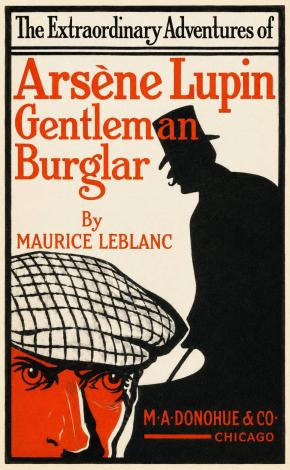
The Extraordinary Adventures of Arsène Lupin, Gentleman-Burglar
"The Extraordinary Adventures of Arsène Lupin, Gentleman-Burglar" by Maurice Leblanc is a collection of stories published in 1907. This debut collection introduces the charming and cunning Arsène Lupin, a master thief who outsmarts police and high society alike. Through nine tales of daring heists, clever disguises, and audacious escapes, Lupin proves himself an unmatched criminal genius. From shipboard robberies to prison breaks, he taunts authorities—including a famous English detective—while stealing priceless treasures with impeccable style and wit.
Abandoned by the legal official of his own district. +1
law
оставленный без поддержки
оставленный
В использованном здесь выражении рассказчик предоставлен самому себе и вынужден полностью полагаться на собственные способности и средства.
The Extraordinary Adventures of Arsène Lupin, Gentleman-Burglar
"The Extraordinary Adventures of Arsène Lupin, Gentleman-Burglar" by Maurice Leblanc is a collection of stories published in 1907. This debut collection introduces the charming and cunning Arsène Lupin, a master thief who outsmarts police and high society alike. Through nine tales of daring heists, clever disguises, and audacious escapes, Lupin proves himself an unmatched criminal genius. From shipboard robberies to prison breaks, he taunts authorities—including a famous English detective—while stealing priceless treasures with impeccable style and wit.
Fair sire, my wounds are not so painful that I should desire to abandon my journey.
general
отказываться от
Здесь это означает отказаться от путешествия, чего, по словам Эрека, он не хочет делать.
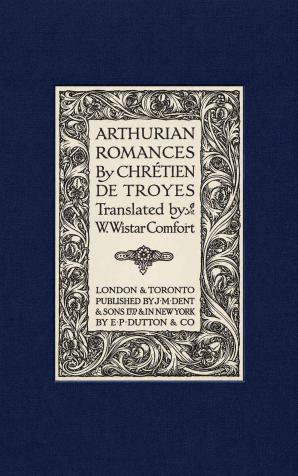
Four Arthurian Romances
"Four Arthurian Romances" by Chrétien de Troyes is a collection of medieval narratives written in the latter part of the 12th century. This work encompasses the stories of four heroes: Erec, Cligés, Yvain, and Lancelot, each exploring the themes of chivalry, romance, and adventure intertwined with the sophisticated ideals of courtly love. The romances reflect the rich tapestry of Arthurian legend, showcasing knights undertaking noble quests and engaging in battles for honor and love. The opening of "Four Arthurian Romances" introduces the tale of Erec and Enide, beginning with King Arthur's court and the announcement of a hunt for the elusive White Stag, which involves a significant and potentially troublesome tradition. Erec, a prominent knight, is drawn into conflict after a dwarf and a knight insult and strike a damsel at the court. Following this assault, Erec seeks to avenge the honor of the lady, embarking on a quest that leads him through various perils and encounters. His journey sets the stage for themes of valor and love as Erec strives to prove himself worthy, ultimately leading to his romantic involvement with Enide and the promise of her marriage. The romance illustrates not just action and adventure, but also explores the emotional and social dynamics of courtly life in a quintessential chivalric manner.
Fair sire, my wounds are not so painful that I should desire to abandon my journey.
general
прервать свой путь
Отказаться от продолжения пути или прервать путешествие.
Four Arthurian Romances
"Four Arthurian Romances" by Chrétien de Troyes is a collection of medieval narratives written in the latter part of the 12th century. This work encompasses the stories of four heroes: Erec, Cligés, Yvain, and Lancelot, each exploring the themes of chivalry, romance, and adventure intertwined with the sophisticated ideals of courtly love. The romances reflect the rich tapestry of Arthurian legend, showcasing knights undertaking noble quests and engaging in battles for honor and love. The opening of "Four Arthurian Romances" introduces the tale of Erec and Enide, beginning with King Arthur's court and the announcement of a hunt for the elusive White Stag, which involves a significant and potentially troublesome tradition. Erec, a prominent knight, is drawn into conflict after a dwarf and a knight insult and strike a damsel at the court. Following this assault, Erec seeks to avenge the honor of the lady, embarking on a quest that leads him through various perils and encounters. His journey sets the stage for themes of valor and love as Erec strives to prove himself worthy, ultimately leading to his romantic involvement with Enide and the promise of her marriage. The romance illustrates not just action and adventure, but also explores the emotional and social dynamics of courtly life in a quintessential chivalric manner.
to the mad abandon of physical fervor
religion
безудержное неистовство
Литературное описание совершенно необузданного поведения или чувства.
The Souls of Black Folk
"The Souls of Black Folk" by W. E. B. Du Bois is a collection of essays published in 1903. This groundbreaking work explores the African-American experience through personal observations and social analysis. Du Bois introduces influential concepts like "double consciousness"—the experience of viewing oneself through both one's own eyes and those of a prejudiced society—and "the veil" that separates black and white Americans. Through essays on education, freedom, and justice, he examines the color line dividing races and argues for voting rights, quality education, and equal treatment.

There is little of the joyous abandon and playfulness which we are wont to associate with the plantation Negro.
history
радостная беззаботность
Беззаботное и раскованное проявление радости.
The Souls of Black Folk
"The Souls of Black Folk" by W. E. B. Du Bois is a collection of essays published in 1903. This groundbreaking work explores the African-American experience through personal observations and social analysis. Du Bois introduces influential concepts like "double consciousness"—the experience of viewing oneself through both one's own eyes and those of a prejudiced society—and "the veil" that separates black and white Americans. Through essays on education, freedom, and justice, he examines the color line dividing races and argues for voting rights, quality education, and equal treatment.
There is little beauty in this region, only a sort of crude abandon that suggests power, — a naked grandeur, as it were.
landscape
своего рода грубая необузданность
Грубое, необузданное качество, характеризующее эту местность.
The Souls of Black Folk
"The Souls of Black Folk" by W. E. B. Du Bois is a collection of essays published in 1903. This groundbreaking work explores the African-American experience through personal observations and social analysis. Du Bois introduces influential concepts like "double consciousness"—the experience of viewing oneself through both one's own eyes and those of a prejudiced society—and "the veil" that separates black and white Americans. Through essays on education, freedom, and justice, he examines the color line dividing races and argues for voting rights, quality education, and equal treatment.
They raised every stone, ransacked the bed, did everything customary in such a case, but they discovered nothing, and were about to abandon their investigation when the guard entered hastily and said:
investigation
собирались прекратить расследование
Находились на грани прекращения поиска или расследования.
The Extraordinary Adventures of Arsène Lupin, Gentleman-Burglar
"The Extraordinary Adventures of Arsène Lupin, Gentleman-Burglar" by Maurice Leblanc is a collection of stories published in 1907. This debut collection introduces the charming and cunning Arsène Lupin, a master thief who outsmarts police and high society alike. Through nine tales of daring heists, clever disguises, and audacious escapes, Lupin proves himself an unmatched criminal genius. From shipboard robberies to prison breaks, he taunts authorities—including a famous English detective—while stealing priceless treasures with impeccable style and wit.
Thus, there is no longer any theft, and the law must abandon the case.
law
закрыть дело
Прекратить ведение судебного дела или расследование.
The Extraordinary Adventures of Arsène Lupin, Gentleman-Burglar
"The Extraordinary Adventures of Arsène Lupin, Gentleman-Burglar" by Maurice Leblanc is a collection of stories published in 1907. This debut collection introduces the charming and cunning Arsène Lupin, a master thief who outsmarts police and high society alike. Through nine tales of daring heists, clever disguises, and audacious escapes, Lupin proves himself an unmatched criminal genius. From shipboard robberies to prison breaks, he taunts authorities—including a famous English detective—while stealing priceless treasures with impeccable style and wit.
Am I to abandon my scheme and renounce the treasures that I covet?
general
отказаться от своего замысла
Отказаться от задуманного плана или образа действий.
The Extraordinary Adventures of Arsène Lupin, Gentleman-Burglar
"The Extraordinary Adventures of Arsène Lupin, Gentleman-Burglar" by Maurice Leblanc is a collection of stories published in 1907. This debut collection introduces the charming and cunning Arsène Lupin, a master thief who outsmarts police and high society alike. Through nine tales of daring heists, clever disguises, and audacious escapes, Lupin proves himself an unmatched criminal genius. From shipboard robberies to prison breaks, he taunts authorities—including a famous English detective—while stealing priceless treasures with impeccable style and wit.