


Enter the word for search
essential
UK
/ɪˈsɛnʃəl/
US
/ɪˈsɛnʃəl/
Library
The essential point is that the public may be able to refer to my work. +3
identity
главный
существенный
Существенные элементы — это части, необходимые для разгадки тайны.
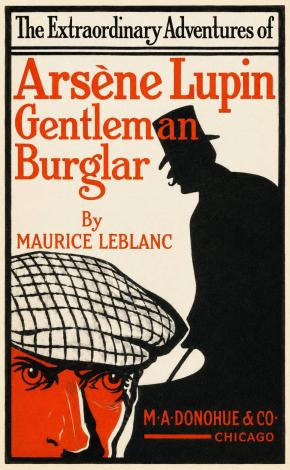
The Extraordinary Adventures of Arsène Lupin, Gentleman-Burglar
"The Extraordinary Adventures of Arsène Lupin, Gentleman-Burglar" by Maurice Leblanc is a collection of stories published in 1907. This debut collection introduces the charming and cunning Arsène Lupin, a master thief who outsmarts police and high society alike. Through nine tales of daring heists, clever disguises, and audacious escapes, Lupin proves himself an unmatched criminal genius. From shipboard robberies to prison breaks, he taunts authorities—including a famous English detective—while stealing priceless treasures with impeccable style and wit.
in the essential vesture of creation
literature
в сущностном облике творения
В основном видимом облике или воплощении сотворённого бытия.
Four Arthurian Romances
"Four Arthurian Romances" by Chrétien de Troyes is a collection of medieval narratives written in the latter part of the 12th century. This work encompasses the stories of four heroes: Erec, Cligés, Yvain, and Lancelot, each exploring the themes of chivalry, romance, and adventure intertwined with the sophisticated ideals of courtly love. The romances reflect the rich tapestry of Arthurian legend, showcasing knights undertaking noble quests and engaging in battles for honor and love. The opening of "Four Arthurian Romances" introduces the tale of Erec and Enide, beginning with King Arthur's court and the announcement of a hunt for the elusive White Stag, which involves a significant and potentially troublesome tradition. Erec, a prominent knight, is drawn into conflict after a dwarf and a knight insult and strike a damsel at the court. Following this assault, Erec seeks to avenge the honor of the lady, embarking on a quest that leads him through various perils and encounters. His journey sets the stage for themes of valor and love as Erec strives to prove himself worthy, ultimately leading to his romantic involvement with Enide and the promise of her marriage. The romance illustrates not just action and adventure, but also explores the emotional and social dynamics of courtly life in a quintessential chivalric manner.
Professor Foerster, stoutly opposing the so-called Anglo-Norman theory which supposes the existence of lost Anglo-Norman romances in French as the sources of Chrétien de Troyes, is, nevertheless, well within the truth when he insists upon what is, so far as we are concerned, the essential originality of the French poet.
literature
принципиальная оригинальность
Принципиальная самобытность или независимость творчества писателя.
Four Arthurian Romances
"Four Arthurian Romances" by Chrétien de Troyes is a collection of medieval narratives written in the latter part of the 12th century. This work encompasses the stories of four heroes: Erec, Cligés, Yvain, and Lancelot, each exploring the themes of chivalry, romance, and adventure intertwined with the sophisticated ideals of courtly love. The romances reflect the rich tapestry of Arthurian legend, showcasing knights undertaking noble quests and engaging in battles for honor and love. The opening of "Four Arthurian Romances" introduces the tale of Erec and Enide, beginning with King Arthur's court and the announcement of a hunt for the elusive White Stag, which involves a significant and potentially troublesome tradition. Erec, a prominent knight, is drawn into conflict after a dwarf and a knight insult and strike a damsel at the court. Following this assault, Erec seeks to avenge the honor of the lady, embarking on a quest that leads him through various perils and encounters. His journey sets the stage for themes of valor and love as Erec strives to prove himself worthy, ultimately leading to his romantic involvement with Enide and the promise of her marriage. The romance illustrates not just action and adventure, but also explores the emotional and social dynamics of courtly life in a quintessential chivalric manner.
was the last essential of Negro religion and the one more devoutly believed in than all the rest.
religion
последняя необходимая составляющая религии чернокожих
Называет последнюю необходимую составляющую описываемой религиозной традиции.
The Souls of Black Folk
"The Souls of Black Folk" by W. E. B. Du Bois is a collection of essays published in 1903. This groundbreaking work explores the African-American experience through personal observations and social analysis. Du Bois introduces influential concepts like "double consciousness"—the experience of viewing oneself through both one's own eyes and those of a prejudiced society—and "the veil" that separates black and white Americans. Through essays on education, freedom, and justice, he examines the color line dividing races and argues for voting rights, quality education, and equal treatment.
And yet ten years later it was done in the word spoken at Atlanta: “In all things purely social we can be as separate as the five fingers, and yet one as the hand in all things essential to mutual progress.”
politics
необходимый для общего прогресса
необходимый для общего продвижения вперёд
The Souls of Black Folk
"The Souls of Black Folk" by W. E. B. Du Bois is a collection of essays published in 1903. This groundbreaking work explores the African-American experience through personal observations and social analysis. Du Bois introduces influential concepts like "double consciousness"—the experience of viewing oneself through both one's own eyes and those of a prejudiced society—and "the veil" that separates black and white Americans. Through essays on education, freedom, and justice, he examines the color line dividing races and argues for voting rights, quality education, and equal treatment.
I will, however, relate the occurrence in detail, even at the risk of losing time, if you really feel that it is essential to the understanding of the problem we have to discuss.”
general
необходимо для понимания проблемы
Необходимое для понимания обсуждаемого вопроса.
The Man Who Was Thursday: A Nightmare
"The Man Who Was Thursday: A Nightmare" by G. K. Chesterton is a philosophical novel with elements of adventure and satire, written in the late 19th century. The story revolves around the enigmatic character Gabriel Syme, a police detective who infiltrates a group of anarchists in London to uncover their plans and identities. As the narrative unfolds, it explores complex themes of order, chaos, and the nature of evil, often through witty dialogue and absurd situations that challenge conventional thinking. At the start of the novel, readers are introduced to the suburb of Saffron Park, with its colorful and eccentric inhabitants, primarily poets and artists. One evening, during a striking sunset, the anarchistic poet Lucian Gregory meets Gabriel Syme, who surprises him with bold arguments in favor of law and order, challenging Gregory's views. Their conversation escalates into a duel of ideologies when Gregory reveals his deep commitment to anarchism, which leads to a confrontation between the two. In a twist of fate, Syme's true identity as a detective is disclosed, and as he joins the anarchists disguised as one of them, the stage is set for a profound exploration of the philosophical conflict between chaos and structure in society.

‘I don’t fancy,’ he said, ‘that you could have worked out the principle that evolution is only negation, since there inheres in it the introduction of lacuna, which are an essential of differentiation.’
biology
необходимый элемент дифференциации
Необходимая составляющая процесса дифференциации, то есть становления различий или специализации.
The Man Who Was Thursday: A Nightmare
"The Man Who Was Thursday: A Nightmare" by G. K. Chesterton is a philosophical novel with elements of adventure and satire, written in the late 19th century. The story revolves around the enigmatic character Gabriel Syme, a police detective who infiltrates a group of anarchists in London to uncover their plans and identities. As the narrative unfolds, it explores complex themes of order, chaos, and the nature of evil, often through witty dialogue and absurd situations that challenge conventional thinking. At the start of the novel, readers are introduced to the suburb of Saffron Park, with its colorful and eccentric inhabitants, primarily poets and artists. One evening, during a striking sunset, the anarchistic poet Lucian Gregory meets Gabriel Syme, who surprises him with bold arguments in favor of law and order, challenging Gregory's views. Their conversation escalates into a duel of ideologies when Gregory reveals his deep commitment to anarchism, which leads to a confrontation between the two. In a twist of fate, Syme's true identity as a detective is disclosed, and as he joins the anarchists disguised as one of them, the stage is set for a profound exploration of the philosophical conflict between chaos and structure in society.
They accept the essential ideal of man; they merely seek it wrongly.
philosophy
основополагающий идеал человека
Основополагающее представление о том, каким должен быть человек или к чему он должен стремиться.
The Man Who Was Thursday: A Nightmare
"The Man Who Was Thursday: A Nightmare" by G. K. Chesterton is a philosophical novel with elements of adventure and satire, written in the late 19th century. The story revolves around the enigmatic character Gabriel Syme, a police detective who infiltrates a group of anarchists in London to uncover their plans and identities. As the narrative unfolds, it explores complex themes of order, chaos, and the nature of evil, often through witty dialogue and absurd situations that challenge conventional thinking. At the start of the novel, readers are introduced to the suburb of Saffron Park, with its colorful and eccentric inhabitants, primarily poets and artists. One evening, during a striking sunset, the anarchistic poet Lucian Gregory meets Gabriel Syme, who surprises him with bold arguments in favor of law and order, challenging Gregory's views. Their conversation escalates into a duel of ideologies when Gregory reveals his deep commitment to anarchism, which leads to a confrontation between the two. In a twist of fate, Syme's true identity as a detective is disclosed, and as he joins the anarchists disguised as one of them, the stage is set for a profound exploration of the philosophical conflict between chaos and structure in society.
You, my poor fellow, are an anarchist deprived of the help of that law and organisation which is so essential to anarchy.
politics
необходимый для анархии
В данном контексте — необходимый для существования или функционирования анархии.
The Man Who Was Thursday: A Nightmare
"The Man Who Was Thursday: A Nightmare" by G. K. Chesterton is a philosophical novel with elements of adventure and satire, written in the late 19th century. The story revolves around the enigmatic character Gabriel Syme, a police detective who infiltrates a group of anarchists in London to uncover their plans and identities. As the narrative unfolds, it explores complex themes of order, chaos, and the nature of evil, often through witty dialogue and absurd situations that challenge conventional thinking. At the start of the novel, readers are introduced to the suburb of Saffron Park, with its colorful and eccentric inhabitants, primarily poets and artists. One evening, during a striking sunset, the anarchistic poet Lucian Gregory meets Gabriel Syme, who surprises him with bold arguments in favor of law and order, challenging Gregory's views. Their conversation escalates into a duel of ideologies when Gregory reveals his deep commitment to anarchism, which leads to a confrontation between the two. In a twist of fate, Syme's true identity as a detective is disclosed, and as he joins the anarchists disguised as one of them, the stage is set for a profound exploration of the philosophical conflict between chaos and structure in society.
“The essential thing is to be on the spot when the opportunity occurs.
general
главное —
Выражение, используемое для обозначения самого важного требования или приоритета.
The Extraordinary Adventures of Arsène Lupin, Gentleman-Burglar
"The Extraordinary Adventures of Arsène Lupin, Gentleman-Burglar" by Maurice Leblanc is a collection of stories published in 1907. This debut collection introduces the charming and cunning Arsène Lupin, a master thief who outsmarts police and high society alike. Through nine tales of daring heists, clever disguises, and audacious escapes, Lupin proves himself an unmatched criminal genius. From shipboard robberies to prison breaks, he taunts authorities—including a famous English detective—while stealing priceless treasures with impeccable style and wit.
At all events, he had it when he went away, and that is the essential point.
general
главное
Самый важный факт или идея в ситуации.
The Extraordinary Adventures of Arsène Lupin, Gentleman-Burglar
"The Extraordinary Adventures of Arsène Lupin, Gentleman-Burglar" by Maurice Leblanc is a collection of stories published in 1907. This debut collection introduces the charming and cunning Arsène Lupin, a master thief who outsmarts police and high society alike. Through nine tales of daring heists, clever disguises, and audacious escapes, Lupin proves himself an unmatched criminal genius. From shipboard robberies to prison breaks, he taunts authorities—including a famous English detective—while stealing priceless treasures with impeccable style and wit.
The essential point is that the public may be able to refer to my work and say, without fear of mistake: Arsène Lupin did that!”
general
суть в том, что
используется, чтобы представить главную или наиболее важную мысль
The Extraordinary Adventures of Arsène Lupin, Gentleman-Burglar
"The Extraordinary Adventures of Arsène Lupin, Gentleman-Burglar" by Maurice Leblanc is a collection of stories published in 1907. This debut collection introduces the charming and cunning Arsène Lupin, a master thief who outsmarts police and high society alike. Through nine tales of daring heists, clever disguises, and audacious escapes, Lupin proves himself an unmatched criminal genius. From shipboard robberies to prison breaks, he taunts authorities—including a famous English detective—while stealing priceless treasures with impeccable style and wit.